
Fitness trends come and go, but one approach remains consistently valuable: practical movement that improves real-world strength and mobility. Instead of focusing solely on appearance or heavy lifting goals, more people are embracing functional fitness moves for daily life-exercises that mirror the motions we use throughout the day. These movements help improve balance, stability, mobility, and coordination, making daily tasks easier and reducing the risk of injury.
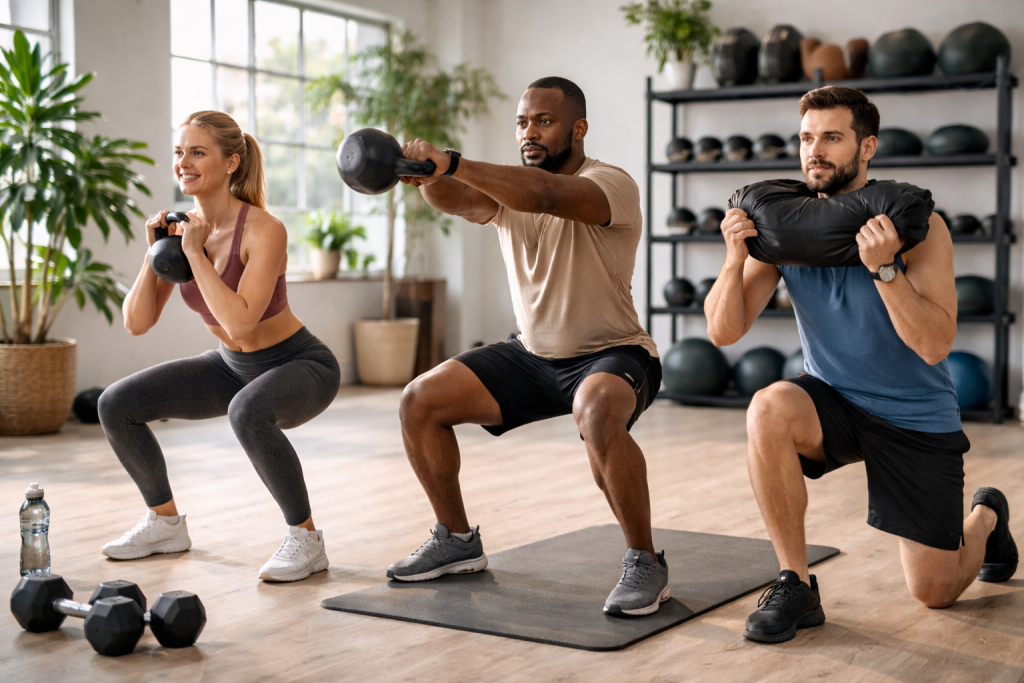
Functional fitness adapts to all ages and fitness levels. Whether someone is carrying groceries, climbing stairs, bending down to pick something up, or simply moving around the house, functional strength plays a major role in maintaining physical comfort and independence. Below, we explore the key principles behind functional fitness and the specific exercises that support everyday movement.
Why Functional Fitness Matters
Functional fitness is about training movements, not muscles in isolation. While traditional workouts might focus on sculpting a single body part, functional training teaches the body to work as a coordinated system. This approach improves overall strength and helps prevent imbalances that lead to discomfort or injury.
Functional fitness supports:
- Stability through core engagement
- Balanced muscle development
- Better posture
- Increased mobility
- Safer movement patterns
- More energy for daily tasks
These benefits explain why functional fitness moves for daily life are becoming essential for people who want results that go beyond gym performance.
Squat Variations That Support Daily Movement
Squats are one of the most useful functional movements because they mimic everyday actions like sitting, standing, lifting, and lowering.
Helpful squat styles include:
- Bodyweight squats for basic strength
- Goblet squats for added resistance
- Supported squats for beginners
- Wide-stance squats for flexibility
Squats strengthen the lower body and core, creating stability for daily activities.
Hip Hinge Movements for Lifting and Bending Safely
The hip hinge is a fundamental motion used when picking up objects or bending forward. Many back injuries occur because people bend incorrectly, placing strain on the spine instead of using the hips and legs.
Hip hinge exercises include:
- Deadlifts with light weights
- Kettlebell swings
- Good mornings
- Hip hinge practice using a dowel or broomstick
These movements improve posture and protect the lower back during daily bending and lifting.
Lunges for Balance and Stability
Lunges strengthen the legs while improving balance, coordination, and stability. They replicate motions like walking up stairs, stepping forward, or shifting weight while carrying items.
Useful lunge variations include:
- Forward lunges
- Reverse lunges
- Side lunges
- Walking lunges
Lunges also improve hip mobility, an essential component of functional strength.
Core Stability Exercises for Posture and Support
Core strength is crucial for nearly every daily movement. The core stabilizes the spine, supports posture, and helps the body stay balanced.
Helpful core exercises include:
- Planks
- Side planks
- Bird-dog variations
- Dead bug exercises
- Glute bridges
These exercises support safe movement patterns and reduce strain on the lower back.
Step-Ups for Everyday Climbing and Balance
Step-ups mimic climbing stairs, stepping onto curbs, or reaching elevated surfaces. They improve strength in the legs and hips while enhancing balance and stability.
Key step-up variations include:
- Low step height for beginners
- Higher step platforms for advanced training
- Step-up and drive movements for power
- Lateral step-ups for side-to-side strength
Step-ups are adaptable and require minimal equipment.
Push Movements for Upper Body Practical Strength
Push movements mirror actions like pushing a door, moving furniture, or getting up from the floor. They help strengthen the chest, shoulders, and triceps in a functional way.
Push-focused exercises include:
- Wall push-ups
- Traditional push-ups
- Incline push-ups
- Overhead presses with light weights
These moves enhance upper-body endurance and stability.
Pull Movements for Back and Shoulder Health
Pulling exercises support posture and balance the effects of modern lifestyles, which often include long hours of sitting. Strengthening the upper back helps counteract rounded shoulders and muscle weakness.
Pull-based movements include:
- Resistance band rows
- Single-arm dumbbell rows
- Face pulls
- Reverse fly exercises
Improved pulling strength supports healthier posture and reduces daily tension.
Carry Movements for Real-World Strength
Carry exercises reflect common daily activities like holding groceries, lifting luggage, or carrying children. These movements improve grip strength, core stability, and overall endurance.
Popular carry variations include:
- Farmer’s carry
- Suitcase carry
- Overhead carry
- Front-rack carry
Carrying exercises train the whole body at once, making them highly efficient and practical.
Mobility Work to Improve Range of Motion
Functional fitness isn’t only about strength-mobility plays an equally important role. Mobility work helps reduce stiffness, improve joint health, and support smoother movement.
Effective mobility practices include:
- Hip openers
- Shoulder rotations
- Dynamic stretching
- Thoracic spine mobility exercises
- Ankle flexibility drills
Improved mobility enhances every other functional movement.
Balance Exercises for Stability and Aging Well
Balance is a key component of functional fitness, especially as people age. Good balance reduces the risk of falls and improves coordination in daily activities.
Balance exercises include:
- Single-leg stands
- Controlled leg lifts
- Soft surface balance drills
- Light yoga poses
With consistent practice, balance improves quickly and supports everyday confidence.
Practical Tips for Integrating Functional Fitness Into Daily Routines
Functional fitness doesn’t require a gym membership or heavy equipment. Many movements can be integrated into daily routines in small but meaningful ways.
Practical integration tips include:
- Taking short movement breaks during the day
- Practicing squats when picking items off the floor
- Doing calf raises while standing in line
- Stretching during breaks from work
- Carrying groceries evenly on both sides
- Taking stairs instead of elevators
These small habits reinforce functional movement patterns throughout the day.
Conclusion
Functional fitness focuses on real-world movement, supporting strength, mobility, balance, and posture. By practicing functional fitness moves for daily life, individuals build a body that feels capable and resilient in everyday situations. These exercises mimic natural motions like bending, lifting, carrying, and climbing, helping to reduce injury risk while enhancing physical comfort. With consistent practice and mindful integration, functional fitness becomes a sustainable and accessible approach to maintaining long-term health and overall well-being.
References
- American Council on Exercise – Functional Fitness Principles
https://www.acefitness.org - Mayo Clinic – Benefits of Functional Training
https://www.mayoclinic.org - Harvard Health Publishing – Exercise and Body Mechanics
https://www.health.harvard.edu - Cleveland Clinic – Core Strength and Stability
https://health.clevelandclinic.org