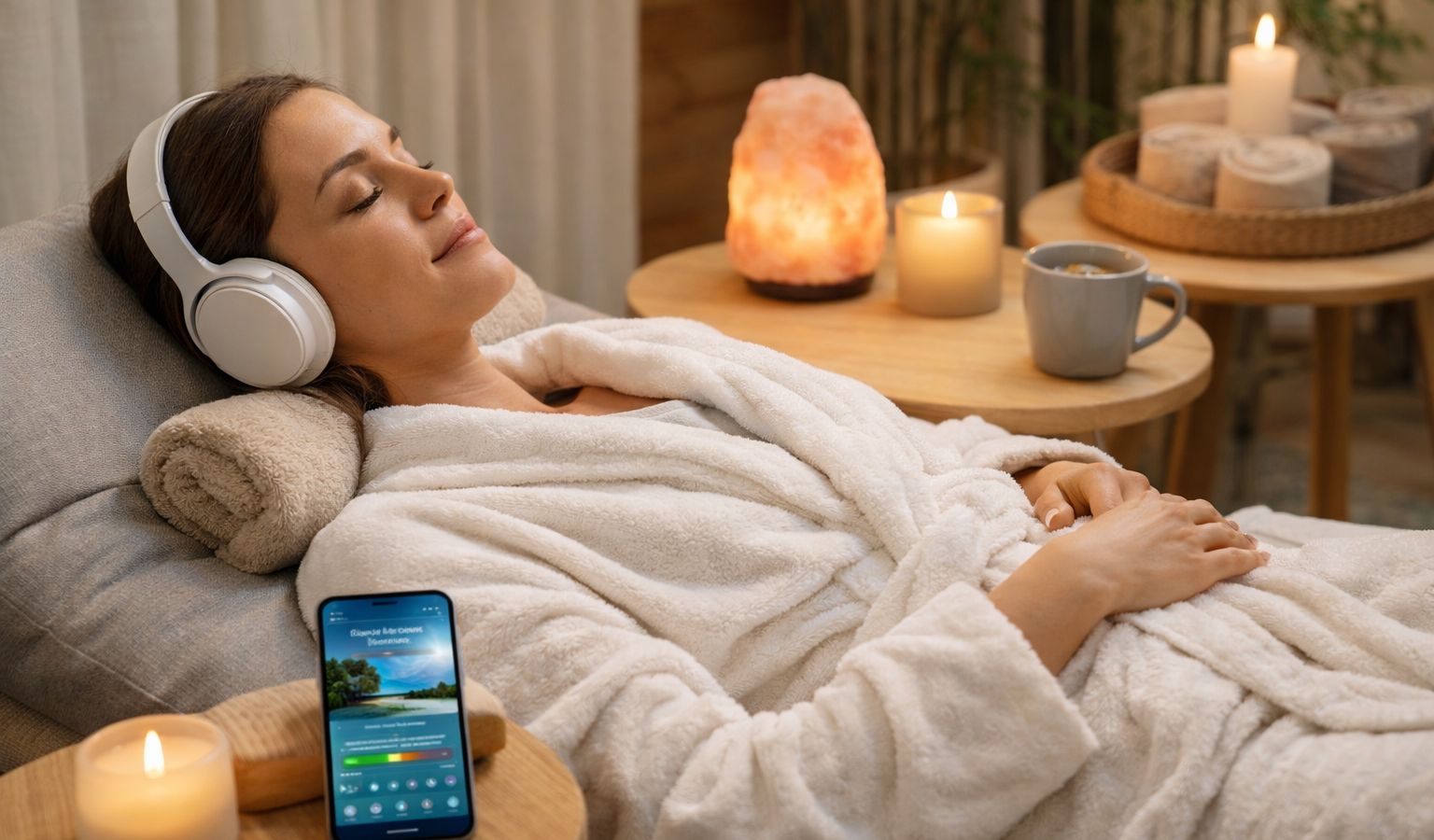
Rest is no longer viewed as a passive activity. In a fast-paced world shaped by constant digital engagement and high productivity expectations, recovery has become an active, intentional practice. As a result, wellness trends supporting recovery and rest are reshaping how individuals approach sleep, stress management, physical restoration, and mental well-being.
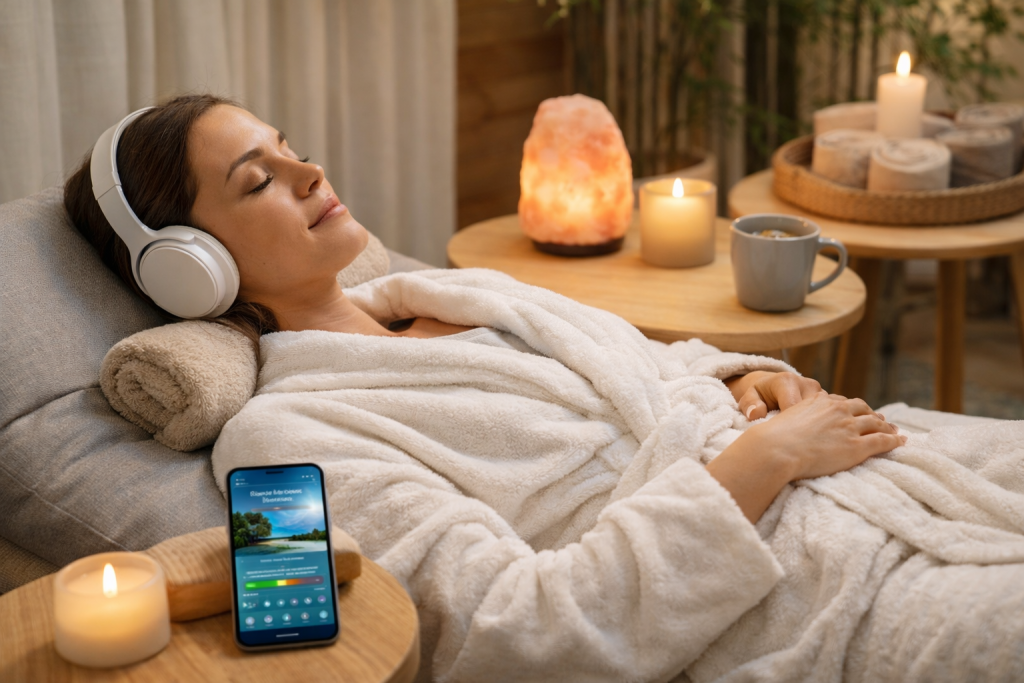
Rather than treating rest as an afterthought, modern wellness culture increasingly emphasizes structured recovery strategies. From sleep optimization technologies to nervous system regulation techniques, individuals are investing time and resources into improving how they recharge.
Understanding how wellness trends supporting recovery and rest are evolving offers insight into broader shifts in health priorities, workplace culture, and long-term resilience.
The Science Behind Rest and Recovery
Scientific research consistently highlights the importance of rest for both physical and cognitive performance. Sleep supports memory consolidation, immune system regulation, and metabolic balance.
According to the Centers for Disease Control and Prevention, insufficient sleep is associated with increased risk of chronic conditions such as heart disease and diabetes.
Recovery also extends beyond sleep. Muscular repair after exercise, stress hormone regulation, and cognitive processing require deliberate downtime.
Wellness trends supporting recovery and rest increasingly integrate scientific findings into everyday routines, encouraging individuals to treat recovery as foundational rather than optional.
Sleep Optimization Technologies
Sleep-focused devices have become central to modern wellness strategies. Wearable trackers monitor sleep stages, heart rate variability, and nighttime movement.
These tools provide users with personalized feedback on sleep duration and quality. The National Sleep Foundation emphasizes that consistent sleep routines contribute to improved overall health outcomes.
Smart mattresses, temperature-regulating bedding, and sound therapy devices further enhance sleep environments.
Wellness trends supporting recovery and rest now include data-driven sleep improvement approaches that transform bedrooms into restorative spaces.
Digital Detox and Screen Time Management
Constant connectivity can disrupt both sleep and cognitive recovery. Blue light exposure, late-night notifications, and prolonged screen use interfere with circadian rhythms.
As a result, digital detox practices have gained momentum. Individuals are setting device curfews, enabling night-mode features, and creating technology-free zones in their homes.
The World Health Organization highlights the importance of reducing excessive screen time for mental well-being.
Wellness trends supporting recovery and rest increasingly encourage structured boundaries around digital consumption to protect sleep quality and stress regulation.
Nervous System Regulation and Mindfulness
Chronic stress activates the body’s sympathetic nervous system, often referred to as the “fight-or-flight” response. Prolonged activation can impair recovery.
Breathing exercises, meditation, and yoga are gaining popularity as techniques to activate the parasympathetic nervous system, which promotes relaxation.
Research from Harvard Medical School suggests that mindfulness practices can reduce stress and improve emotional regulation.
Wellness trends supporting recovery and rest emphasize nervous system balance as a cornerstone of long-term resilience.
Active Recovery in Fitness Culture
Athletic performance no longer revolves solely around high-intensity training. Recovery sessions—such as mobility work, stretching, and low-impact cardio—are integrated into structured fitness plans.
Foam rolling, massage therapy, and hydrotherapy support muscle repair and circulation.
The American College of Sports Medicine recognizes recovery as essential to injury prevention and sustained performance.
Wellness trends supporting recovery and rest align fitness routines with rest intervals, ensuring that recovery becomes part of training rather than a break from it.
Workplace Wellness and Rest Integration
Corporate culture is also evolving. Organizations increasingly recognize that burnout reduces productivity and increases turnover.
Flexible scheduling, mental health days, and remote work options support recovery.
The World Economic Forum notes that workplace well-being initiatives improve employee engagement and long-term retention.
Wellness trends supporting recovery and rest are influencing corporate policies, redefining productivity as sustainable rather than constant.
Nature-Based Restoration
Time spent in natural environments contributes significantly to stress reduction. Forest walks, outdoor retreats, and nature-based tourism are gaining popularity as restorative experiences.
The National Institutes of Health highlight the psychological benefits of exposure to green spaces, including improved mood and reduced anxiety.
Wellness trends supporting recovery and rest increasingly incorporate biophilic principles, encouraging individuals to reconnect with natural surroundings for mental clarity.
Nutrition and Recovery Support
Diet plays a role in recovery processes. Adequate protein intake supports muscle repair, while hydration influences cognitive function and energy levels.
Balanced meals containing complex carbohydrates and healthy fats stabilize blood sugar and reduce fatigue.
The World Health Organization emphasizes that nutrition is integral to overall health maintenance.
Wellness trends supporting recovery and rest integrate dietary awareness with sleep and stress management strategies.
Cold and Heat Therapy
Contrast therapy, saunas, and cold exposure practices have gained popularity in recent years.
Sauna use has been associated with cardiovascular benefits, while cold exposure may support circulation and muscle recovery.
Research published by reputable medical institutions suggests that thermal therapy, when practiced safely, can complement recovery routines.
Wellness trends supporting recovery and rest often include structured thermal experiences as part of holistic wellness strategies.
Mental Health and Emotional Rest
Emotional recovery is equally important as physical rest. Therapy, journaling, and structured reflection practices help individuals process experiences and reduce mental overload.
The American Psychological Association emphasizes the importance of mental health care in maintaining long-term resilience.
Wellness trends supporting recovery and rest recognize that true recovery requires addressing both body and mind.
Travel and Retreat-Based Recovery
Wellness tourism has expanded significantly. Retreats focused on relaxation, mindfulness, and restorative therapies are attracting global participants.
The Global Wellness Institute reports continued growth in wellness tourism markets.
Travel experiences emphasizing rest and recovery provide immersive environments away from daily stressors.
Wellness trends are increasingly influencing travel decisions and hospitality design.
Technology and Personalized Recovery Plans
Artificial intelligence and biometric tracking tools enable personalized recovery recommendations.
Heart rate variability data, sleep metrics, and activity tracking combine to suggest optimal rest intervals.
The integration of AI-driven insights supports individualized wellness strategies.
Wellness trends supporting recovery and rest increasingly rely on data analytics to refine routines and improve outcomes.
Long-Term Outlook
As awareness of burnout and chronic stress increases, recovery practices are likely to become more integrated into mainstream health strategies.
Healthcare providers may incorporate recovery planning into preventive care models.
Education systems and corporate environments may further embed structured rest into daily frameworks.
Wellness trends supporting recovery and rest will likely evolve alongside technological innovation and public health research.
Conclusion
Wellness trends supporting recovery and rest reflect a cultural shift toward intentional restoration. Sleep optimization, digital detox practices, nervous system regulation, active recovery routines, and nature-based experiences all contribute to sustainable well-being.
Rather than viewing rest as inactivity, modern wellness frameworks position recovery as a proactive investment in long-term health. Scientific research supports the value of structured downtime for physical repair, emotional balance, and cognitive clarity.
As individuals and institutions increasingly prioritize resilience, recovery will remain central to sustainable productivity and overall quality of life. Embracing structured rest practices strengthens not only personal health but also collective well-being in an increasingly demanding world.
References
Centers for Disease Control and Prevention – Sleep and Health: https://www.cdc.gov
National Sleep Foundation – Sleep Research and Guidelines: https://www.sleepfoundation.org
World Health Organization – Mental Health and Well-Being: https://www.who.int
World Economic Forum – Workplace Well-Being Insights: https://www.weforum.org