
Quality sleep is essential for mental clarity, emotional well-being, and physical health. Yet many people struggle to wind down at the end of the day due to stress, digital distractions, or irregular habits. Building calming nighttime routines for improved sleep is one of the most effective ways to prepare the body and mind for rest. These routines signal the brain that it’s time to slow down, helping reduce cortisol levels, relax muscles, and shift into a restful state. When practiced consistently, nighttime rituals can dramatically improve sleep quality and overall well-being.
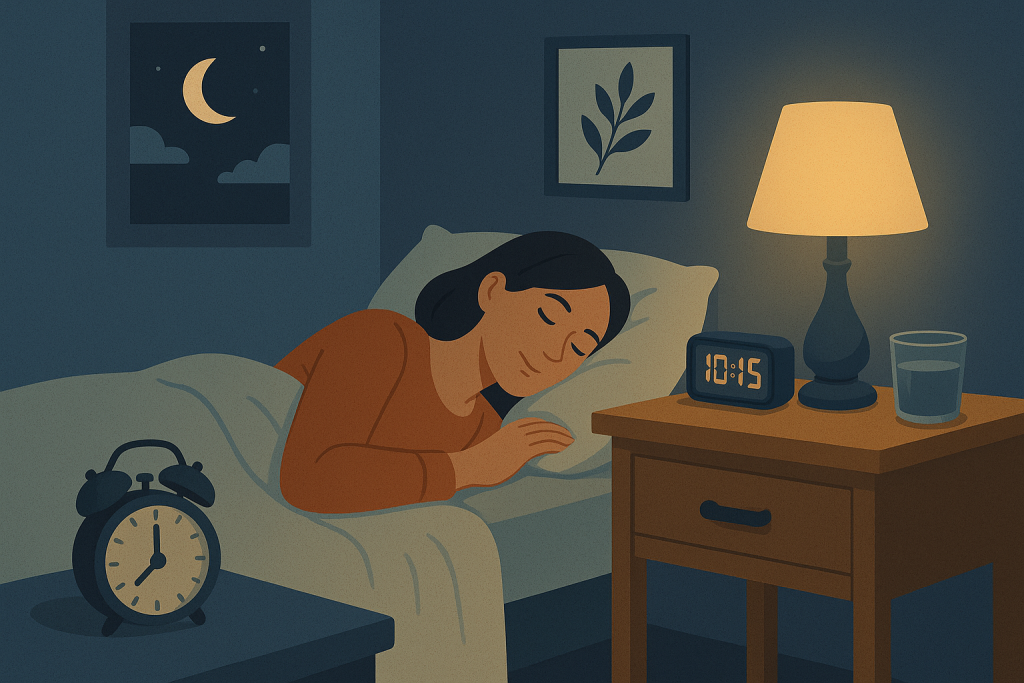
A calming routine doesn’t require special equipment-it depends on intention, consistency, and a few science-backed habits that encourage relaxation.
Why Nighttime Routines Are So Important
Evening routines influence how quickly we fall asleep, how deeply we rest, and how refreshed we feel the next day. Good routines help:
- Reduce overstimulation caused by screens
- Create predictable cues for the brain
- Lower stress hormones
- Improve melatonin production
- Regulate circadian rhythm
According to the Sleep Foundation, consistent nighttime habits are strongly linked with faster sleep onset and better overall sleep quality (Sleep Foundation, 2024). Establishing calming nighttime routines for improved sleep can benefit anyone dealing with racing thoughts, insomnia, or inconsistent schedules.
1. Establish a Consistent Wind-Down Schedule
Consistency is a foundational part of any effective nighttime routine. The body thrives on predictable patterns, and going to bed at roughly the same time each night helps regulate circadian rhythms.
A structured wind-down schedule may include:
- Finishing work at a set time
- Eating dinner early enough to digest comfortably
- Lowering lighting 60-90 minutes before bed
- Creating a predictable sequence of relaxing activities
These steps train the brain to recognize cues that signal it’s time to rest.
2. Reduce Screen Time to Support Melatonin Production
Screens emit blue light, which suppresses melatonin-the hormone responsible for sleep. One of the most essential calming nighttime routines for improved sleep is reducing digital device use in the hour leading up to bedtime.
Practical ways to limit screen exposure include:
- Switching devices to warm or night modes
- Avoiding stimulating content like news or social media
- Replacing TV time with reading
- Charging phones outside of the bedroom
Even small reductions in screen time can make falling asleep much easier.
3. Create a Low-Light Environment to Promote Relaxation
Light heavily influences sleep cycles. Softer, dim lighting helps the body transition from active daytime mode to a restful nighttime state.
Helpful lighting adjustments include:
- Using lamps instead of overhead lights
- Choosing warm-toned bulbs
- Adding dimmers to bedroom lighting
- Lighting candles or soft accent lights
Lowering light levels early in the evening can significantly improve sleep readiness.
4. Incorporate Gentle Movement or Stretching
Gentle stretching or slow movement helps release muscle tension accumulated throughout the day. This prepares the body for rest and reduces discomfort that might interfere with sleep.
Evening movement can include:
- Light yoga flows
- Gentle stretching sequences
- Slow-paced walking
- Relaxation exercises focused on breathing and posture
These activities soothe the nervous system and shift the body into a calm state.
5. Use Relaxation Techniques to Ease Mental Stress
Mental tension often prevents people from falling asleep quickly. Incorporating relaxation techniques into evening routines can help quiet the mind.
Effective techniques include:
- Deep breathing exercises
- Progressive muscle relaxation
- Mindfulness or meditation
- Guided sleep audio
Research published in JAMA Internal Medicine shows that mindfulness practices significantly improve sleep quality and reduce insomnia symptoms (JAMA, 2023). These methods are easy, accessible, and impactful.
6. Develop a Simple Skincare Ritual to Signal Rest
Skincare routines serve as a physical and psychological transition between daytime activities and nighttime relaxation. The repetitive motions of washing the face, applying moisturizer, or massaging the skin can calm the mind.
A soothing nighttime skincare ritual typically includes:
- Cleansing the skin
- Applying a gentle moisturizer
- Using products with relaxing scents like chamomile
- Performing slow facial massage
This tactile routine reinforces the sense that the day is coming to a close.
7. Create a Bedroom Environment That Encourages Sleep
The bedroom should support rest, not stimulation. A sleep-friendly environment includes comfort, temperature control, and minimal distractions.
Key elements include:
- A cool room between 60-67°F (15-19°C)
- Comfortable pillows and breathable bedding
- Minimal noise
- A clutter-free space
- Dark curtains or sleep masks
According to the National Institutes of Health, environment quality plays a major role in sleep efficiency and overall health outcomes (NIH, 2024).
8. Incorporate Aromatherapy for Relaxation
Aromatherapy is a simple, effective addition to calming nighttime routines for improved sleep. Certain scents are known to influence the nervous system and encourage relaxation.
Common calming scents include:
- Lavender
- Chamomile
- Bergamot
- Sandalwood
- Vanilla
These scents can be used through diffusers, pillow sprays, or lotions. Research suggests that lavender, in particular, may help reduce anxiety and promote deeper sleep.
9. Choose Evening Beverages That Support Calm
Warm drinks can help signal the brain that nighttime is approaching. Instead of caffeine or sugar, beverages that promote relaxation are ideal.
Examples include:
- Herbal teas like chamomile or mint
- Warm milk
- Caffeine-free blends designed for sleep support
These drinks create a comforting ritual without stimulating the body.
10. Use Journaling or Reflection to Clear the Mind
Writing down thoughts, plans, or concerns helps reduce mental overload. Nightly reflection allows individuals to process the day and mentally prepare for tomorrow.
Journaling techniques include:
- Gratitude lists
- Brief summaries of the day
- Intentions for the following morning
- Brain-dump lists to release lingering thoughts
Removing mental clutter helps the mind transition into a restful phase.
Conclusion
Building calming nighttime routines for improved sleep is one of the most accessible ways to support physical and mental health. By creating consistent habits, limiting screen exposure, incorporating gentle movement, enhancing the bedroom environment, and embracing relaxation techniques, individuals can dramatically improve sleep quality. These routines don’t require major lifestyle changes-just thoughtful, consistent practices that help the body and mind unwind. With the right nighttime habits, restful sleep becomes easier, more predictable, and more restorative.
Sources
- Sleep Foundation. “Benefits of Establishing a Strong Nighttime Routine.” SleepFoundation.org
- National Institutes of Health. “Environmental and Behavioral Factors Affecting Sleep.” NIH.gov
- JAMA Internal Medicine. “Mindfulness Interventions and Sleep Quality.” JAMAInternalMedicine.org