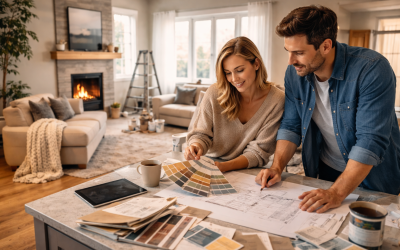
Small living spaces can feel cozy and charming, but they can also become cluttered or cramped if not designed thoughtfully. Many people want to create a sense of openness without major renovations, and the right design strategies can make that happen. Using smart decorating ideas that make small homes feel larger, homeowners and renters can transform compact rooms into airy, functional, and visually spacious environments. With simple adjustments-such as color choices, furniture placement, and lighting-small homes can feel significantly bigger and more comfortable.
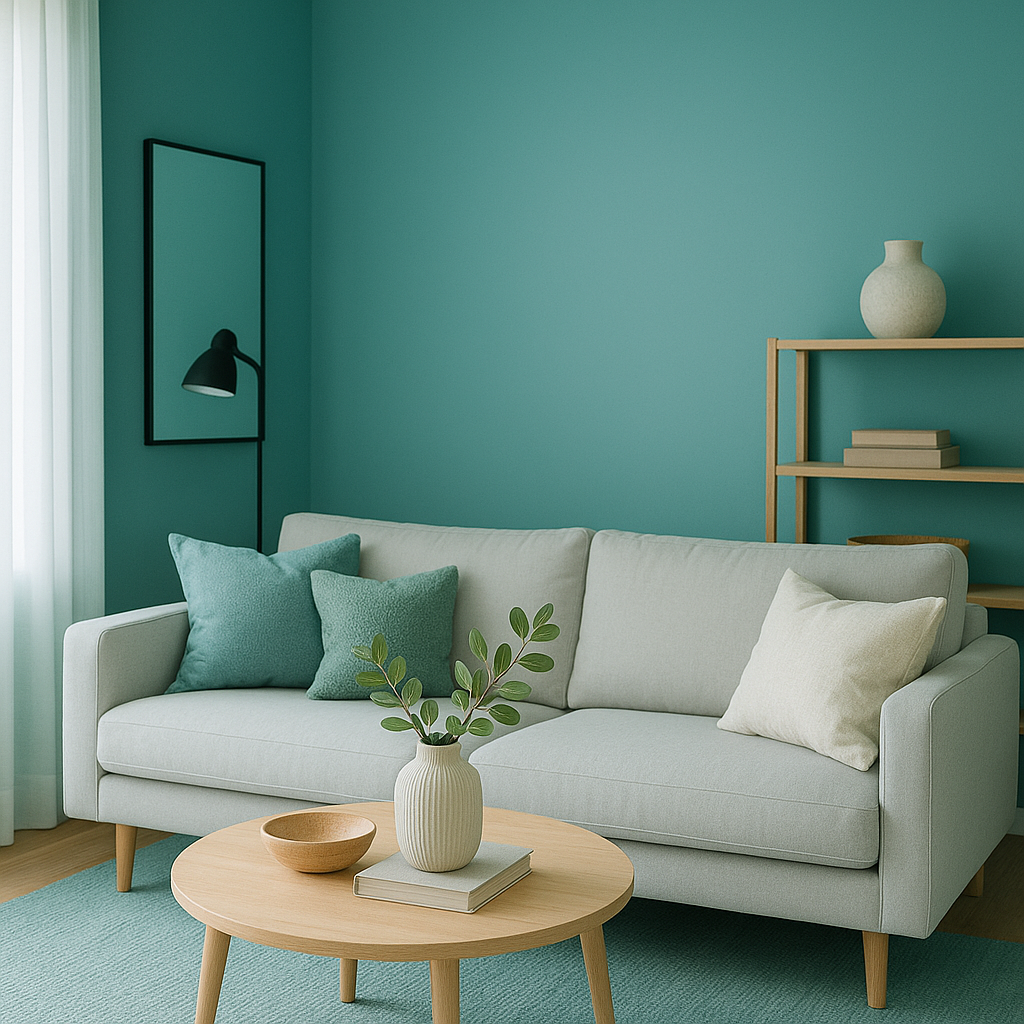
These ideas are grounded in practical design principles and supported by current trends that emphasize functionality, minimalism, and visual balance.
Why Small Spaces Feel Smaller Than They Are
A home may feel tight for several reasons:
- Poor lighting
- Oversized or poorly arranged furniture
- Dark or overly saturated colors
- Excess clutter
- Low ceilings or narrow layouts
- Lack of natural flow between rooms
Designers often emphasize that the perception of space is just as important as physical square footage. By using intentional design choices, it’s possible to reshape how a small home feels.
1. Use Light, Neutral Colors to Create Openness
One of the most effective decorating ideas that make small homes feel larger is choosing lighter colors for walls and furniture. Shades like soft white, beige, pale gray, and light taupe reflect natural light, creating a bright and airy atmosphere.
Light colors help:
- Make walls appear farther apart
- Increase reflectiveness in the room
- Create a calm, cohesive look
Design trends also show a rise in warm neutrals, which soften the space while maintaining brightness.
2. Maximize Natural Light Whenever Possible
Natural light has a powerful impact on how large a space feels. Homes that allow sunlight to flow freely appear more open and inviting.
Tips to enhance natural light:
- Use sheer or light-filtering curtains
- Avoid placing bulky furniture in front of windows
- Keep window frames clean and uncluttered
- Choose reflective finishes near windows
For rooms with limited natural light, pairing gentle artificial lighting with lighter walls can help achieve a similar effect.
3. Choose Multi-Functional Furniture to Save Space
Furniture that serves more than one purpose is ideal for small homes. This reduces clutter and frees up floor space without sacrificing functionality.
Examples include:
- Sofa beds
- Storage ottomans
- Coffee tables with shelving
- Fold-out desks
- Benches with hidden compartments
According to the American Society of Interior Designers (ASID), multi-functional furniture is one of the fastest-growing trends in compact living solutions (ASID, 2024).
4. Create Vertical Storage to Draw the Eye Upward
Vertical space is often underutilized in small homes, yet it plays a key role in expanding the sense of height.
Vertical storage options include:
- Tall bookcases
- Floating shelves
- Wall-mounted cabinets
- Over-door organizers
- Pegboards for kitchens and craft areas
These pieces free up floor space while making ceilings appear higher.
5. Incorporate Mirrors to Reflect Light and Depth
Mirrors are one of the simplest decorating ideas that make small homes feel larger, thanks to their ability to bounce light and create the illusion of depth.
Ideal placements:
- Opposite windows
- Behind sofas
- Along narrow hallways
- Near entryways
A well-positioned mirror can visually double the size of a small room.
6. Keep the Layout Open and Uncluttered
Clutter quickly makes a space feel tight. An open layout allows air and movement to flow naturally.
Ways to maintain openness:
- Leave walking paths unobstructed
- Avoid oversized furniture
- Use minimal decor pieces
- Keep surfaces free of unnecessary items
Small homes benefit from intentional editing so that every piece has a purpose.
7. Use Area Rugs to Define Spaces
Defining areas within an open layout can make a home feel organized and structured. Area rugs create visual separation without adding physical barriers.
Benefits include:
- Establishing zones for dining, working, or relaxing
- Adding texture and warmth
- Helping small rooms feel more balanced
Choosing neutral or subtle patterns helps maintain spaciousness.
8. Add Glass or Acrylic Furniture for a Lighter Look
Transparent furniture pieces take up less visual space, making rooms feel open.
Examples include:
- Glass coffee tables
- Acrylic chairs
- Clear side tables
These items blend into any decor style while reducing visual heaviness.
9. Hang Curtains Higher to Elongate the Walls
Raising curtain rods closer to the ceiling is a popular design trick for creating height. This draws the eye upward and makes windows appear larger.
Tips:
- Choose curtains that reach the floor
- Stick to solid colors or subtle patterns
- Keep curtain fabrics lightweight
This technique works especially well in rooms with small or low-positioned windows.
10. Use Cohesive Color Palettes Across Rooms
A unified color palette helps small homes feel consistent and open. When each room flows naturally into the next, the home feels larger overall.
Cohesive palettes typically include:
- A dominant neutral shade
- Two secondary tones
- Subtle accents for interest
This approach prevents visual fragmentation, which can make small spaces feel disconnected.
Conclusion
By using simple yet intentional decorating ideas that make small homes feel larger, anyone can transform a compact living space into something bright, comfortable, and functional. Strategies such as maximizing natural light, choosing multi-functional furniture, using mirrors, and adopting cohesive color palettes all contribute to a more spacious and inviting home. With these thoughtful design choices, even the smallest homes can feel open, organized, and full of character.
Sources
- American Society of Interior Designers (ASID). “Design Trends in Compact Living.” ASID.org
- Better Homes & Gardens. “Interior Tips for Small Spaces.” BHG.com
- Architectural Digest. “How to Decorate Small Rooms Effectively.” ArchitecturalDigest.com