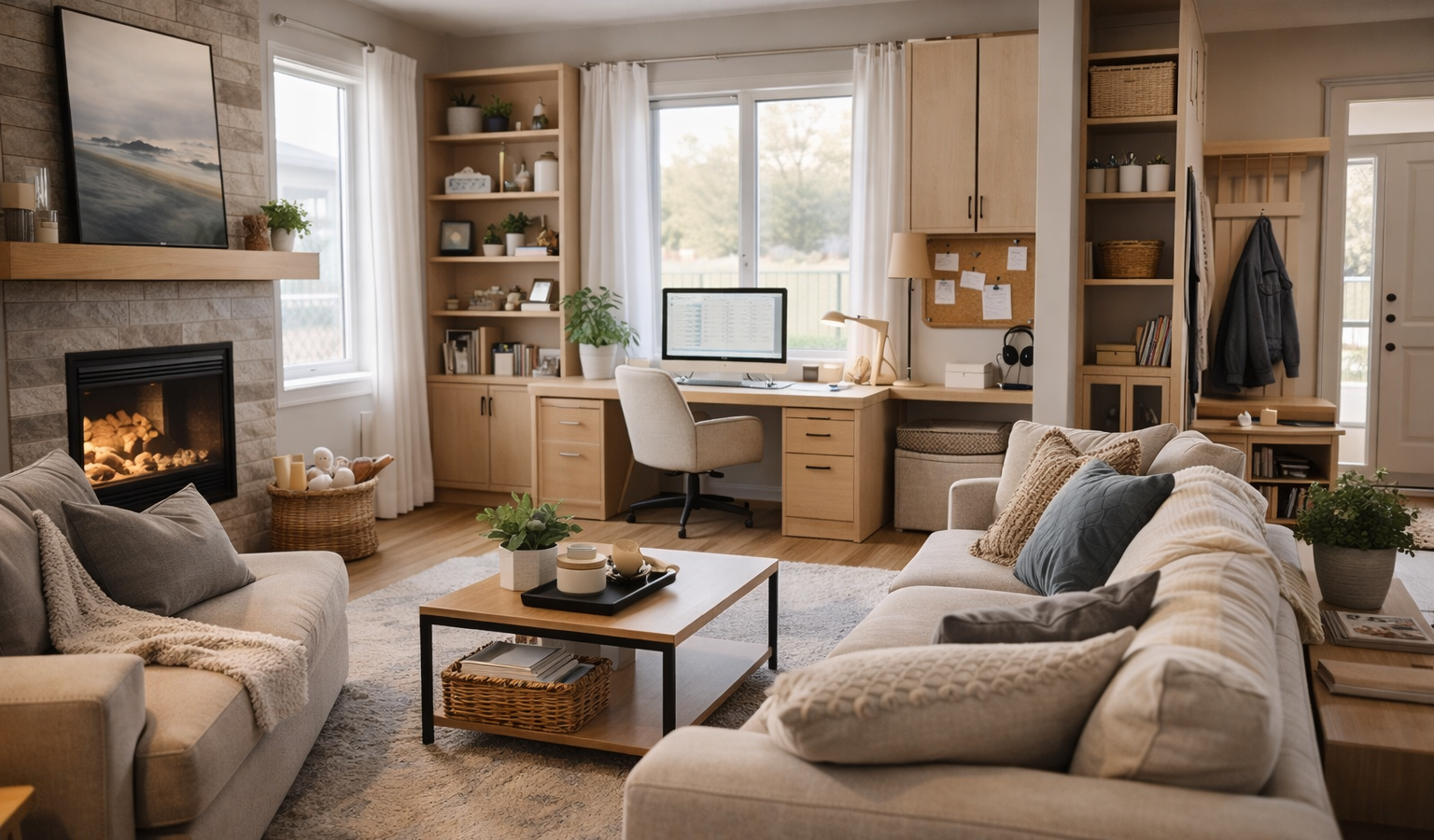
Interior spaces are evolving quickly, and interior design trends favoring functionality are shaping how homes are planned, furnished, and experienced. Instead of prioritizing decoration alone, homeowners and designers are focusing on usability, flexibility, and long-term practicality. As urban living spaces become smaller and remote work continues to influence home layouts, functional design has become central to modern interiors.
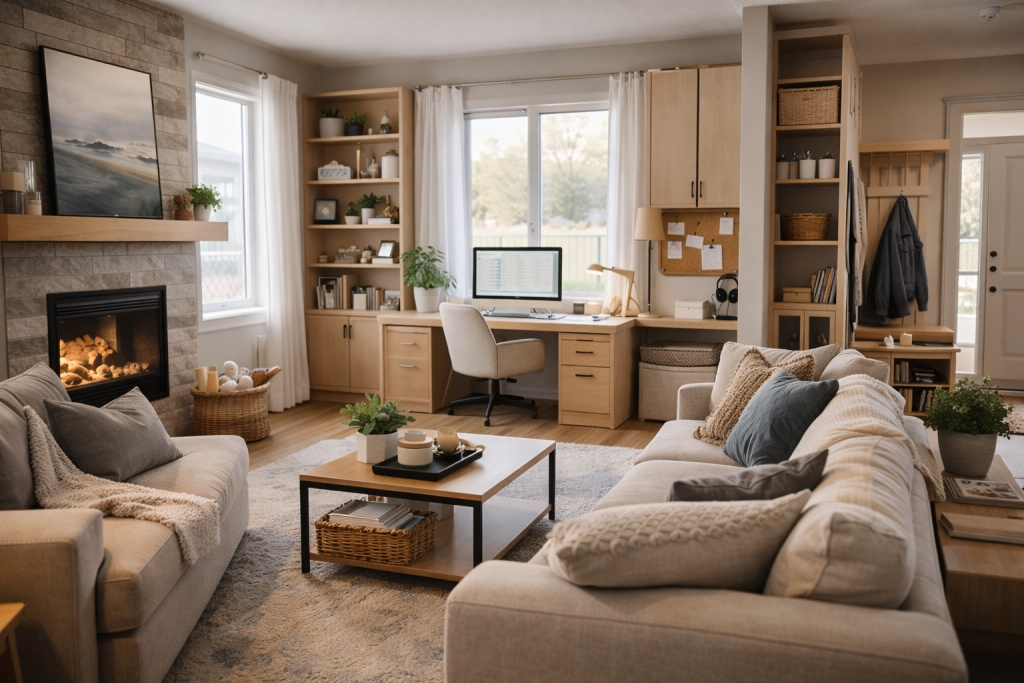
Today’s approach blends aesthetics with efficiency. Furniture serves multiple purposes, storage solutions are integrated seamlessly, and layouts are designed to support everyday routines. As a result, functionality is no longer secondary to style—it defines it.
Why Functionality Is Driving Modern Design
Interior design trends favoring functionality reflect broader lifestyle shifts. Many people now work, exercise, relax, and socialize within the same space. Consequently, rooms must adapt to different uses throughout the day.
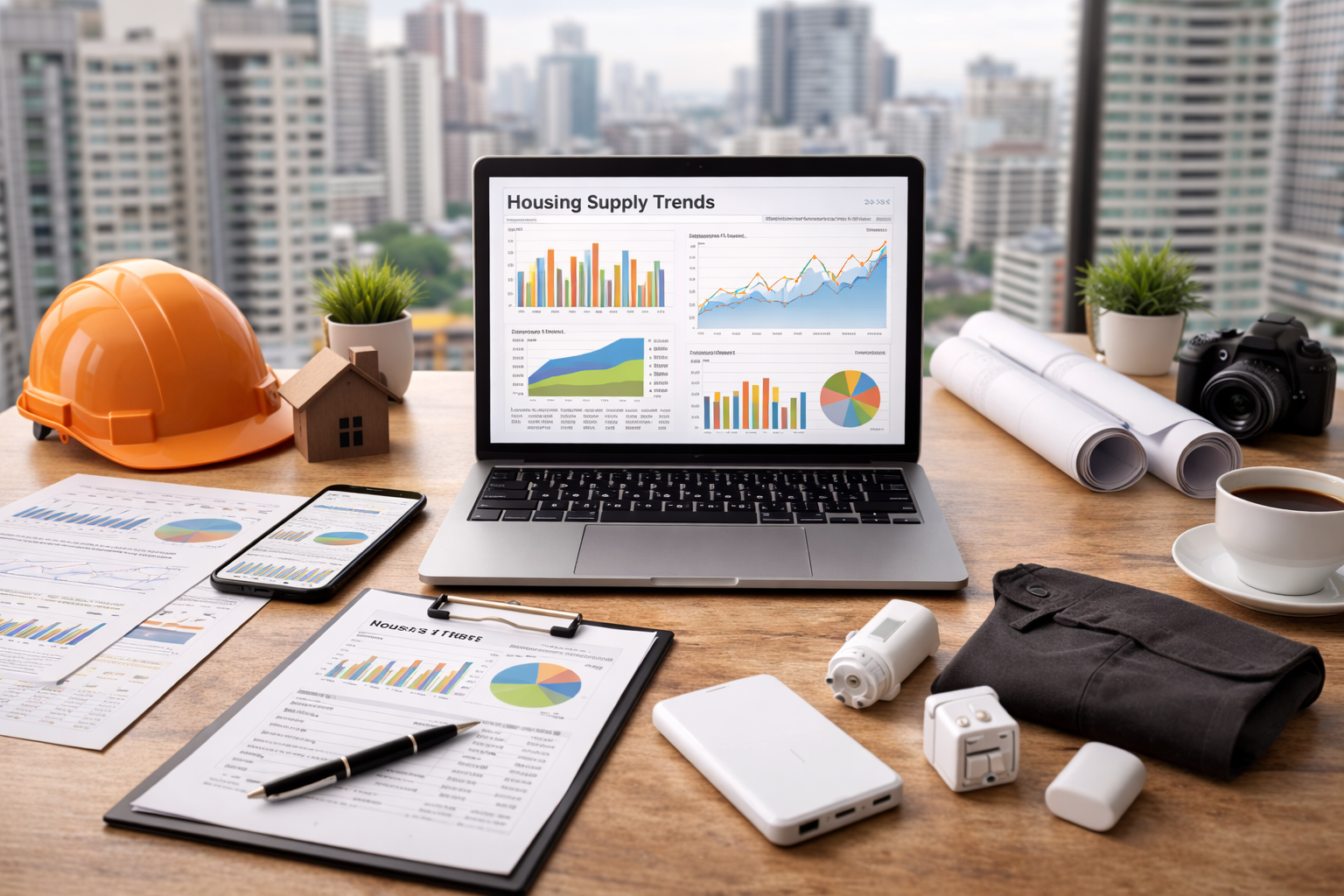
Additionally, rising housing costs and smaller apartments in major cities encourage smarter spatial planning. According to research from the National Association of Home Builders, buyers increasingly prioritize storage solutions and flexible spaces over purely decorative features. This signals a strong demand for practical interiors that maximize every square meter.
Functionality also supports sustainability. When homes are designed thoughtfully, they require fewer renovations and produce less waste over time. Therefore, long-lasting and adaptable interiors align with environmental priorities as well.
Multi-Functional Furniture Is Becoming Standard
One of the most visible interior design trends favoring functionality is the growth of multi-purpose furniture. Designers are moving beyond traditional layouts and introducing adaptable pieces such as:
- Sofa beds that transition seamlessly between living and sleeping areas
- Expandable dining tables for small gatherings or larger events
- Storage ottomans that reduce visible clutter
- Wall-mounted desks that fold away after work hours
These pieces reduce the need for excess furniture. As a result, rooms feel open while remaining practical. Multi-functional design also benefits renters who need flexible solutions without permanent modifications.
Built-In Storage and Hidden Organization
Clutter reduction is central to functional design. Rather than relying on visible cabinets and shelving, modern interiors integrate storage directly into architectural elements.
Built-in wardrobes, under-stair compartments, and custom cabinetry create clean lines while maximizing capacity. In smaller homes, this approach improves both organization and visual calm.
Moreover, interior design trends favoring functionality often include concealed storage for electronics and cables. As smart devices become common, managing wires and accessories has become part of effective spatial planning. Hidden solutions maintain a streamlined aesthetic while supporting daily technology use.
Flexible Layouts for Hybrid Living
Remote work has permanently influenced interior layouts. Many households now require dedicated workspaces without sacrificing relaxation zones. Consequently, open-plan designs are being adjusted to allow temporary separation.
Sliding partitions, modular shelving, and movable screens help create adaptable areas. During work hours, these elements define a focused environment. Afterward, they restore openness for leisure.
According to a report by Houzz on home renovation trends, homeowners are increasingly investing in home offices and study zones. However, rather than building permanent structures, many choose flexible solutions that evolve with changing needs.
Smart Technology Integration
Interior design trends favoring functionality also incorporate smart home systems. Lighting, heating, and security controls are now integrated into daily routines.
Smart lighting systems adjust brightness depending on time of day, improving both comfort and energy efficiency. Meanwhile, programmable thermostats support cost control and environmental awareness.
Technology integration is most effective when subtle. Designers aim to embed devices into the structure of the home rather than display them prominently. As a result, functionality enhances the environment without overwhelming it.
Durable and Low-Maintenance Materials
Practical design also considers maintenance. Surfaces that resist stains, scratches, and moisture are gaining popularity. For example, engineered stone countertops and performance fabrics are frequently chosen for kitchens and living rooms.
These materials extend product lifespan and reduce replacement frequency. In addition, they support households with children or pets who require resilient finishes.
According to the American Society of Interior Designers, consumers are prioritizing durability alongside visual appeal. This shift demonstrates that functionality influences purchasing decisions more than temporary design trends.
Sustainable Functionality
Sustainability and functionality increasingly overlap. Energy-efficient appliances, natural lighting strategies, and recycled materials reduce environmental impact while enhancing daily comfort.
Large windows maximize daylight, which lowers electricity use and improves mood. Similarly, cross-ventilation design reduces reliance on artificial cooling systems.
Functional sustainability also includes furniture designed for longevity rather than rapid replacement. Modular sofas or adjustable shelving systems can be reconfigured instead of discarded, supporting responsible consumption.
Minimalism With Purpose
While minimalism has been popular for years, today’s version emphasizes usability rather than visual simplicity alone. Interior design trends favoring functionality promote intentional choices. Each piece must serve a purpose.
This approach reduces unnecessary decoration and highlights thoughtful design decisions. Consequently, spaces feel balanced and organized rather than sparse.
Minimalism with function also improves mental clarity. Research in environmental psychology suggests that well-organized environments reduce stress and enhance productivity. Therefore, functionality contributes not only to aesthetics but also to well-being.
Challenges in Functional Design
Despite its advantages, functional design requires careful planning. Custom built-ins and high-quality materials may increase upfront costs. Additionally, poor design execution can result in cramped layouts or insufficient lighting.
Therefore, collaboration between homeowners and professionals is essential. Designers must evaluate daily habits, storage needs, and long-term goals before finalizing layouts.
The Future of Functional Interiors
Looking ahead, interior design trends favoring functionality will likely continue to evolve alongside technological and demographic shifts. As urbanization increases, compact living solutions will remain relevant. At the same time, aging populations may require accessibility-focused design features such as wider doorways and adaptable bathrooms.
Moreover, digital modeling tools will enable more precise planning before construction begins. Virtual simulations allow homeowners to test layouts and furniture placement in advance. As a result, functional improvements can be implemented more efficiently.
Ultimately, functionality is no longer an afterthought in interior design. It shapes how people live, work, and interact within their homes. By prioritizing adaptability, durability, and thoughtful organization, modern interiors can meet both current needs and future demands.
References
National Association of Home Builders – Housing Trends Report: https://www.nahb.org
Houzz – Home Renovation Trends Study: https://www.houzz.com/research
American Society of Interior Designers – Industry Outlook: https://www.asid.org
U.S. Green Building Council – Sustainable Design Insights: https://www.usgbc.org