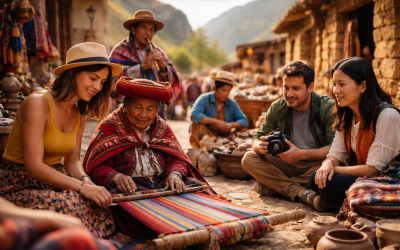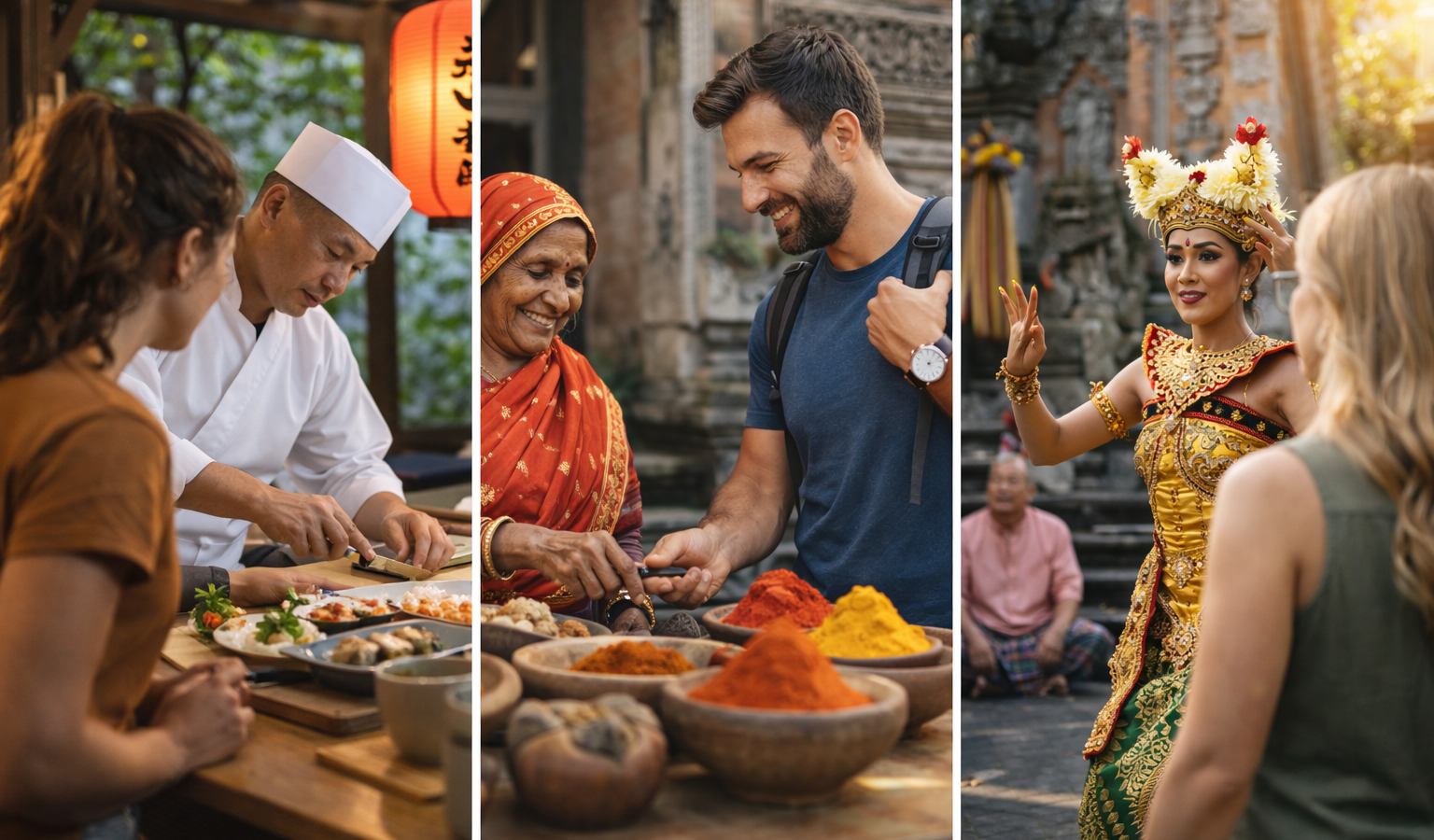
Travel is not only about visiting new places, it’s about experiencing different cultures, traditions, and ways of life. Cultural experiences play a significant role in shaping travel habits, influencing not just where people go, but also how they travel and what they prioritize during their trips. As globalization brings the world closer together, travelers are increasingly seeking authentic, immersive cultural experiences that offer deeper connections with the places they visit. Consequently, cultural experiences are transforming the way we approach travel, pushing us to embrace new perspectives and explore destinations in ways that go beyond the typical tourist attractions.
This article explores how cultural experiences shape travel habits, from the desire for local food experiences to the growing trend of cultural tourism. We’ll also examine how travelers’ expectations have changed and the ways in which travel has evolved in response to cultural interests.
1. The Desire for Authenticity and Immersion
As people travel more, there is a growing desire for authentic experiences that allow them to connect with local cultures in meaningful ways. In particular, travelers are increasingly seeking out activities that provide a true reflection of a destination’s history, traditions, and lifestyle.
Key Factors Influencing Authentic Travel:
- Cultural immersion: Many travelers are moving away from typical tourist attractions and opting for experiences that allow them to interact with local communities. Whether it’s staying with local families in rural villages, participating in traditional crafts or cooking classes, or attending local festivals, these experiences provide a deeper understanding of a destination’s culture.
- Local food and drink: Culinary tourism has become a major driver of travel decisions. For example, travelers may prioritize visiting places known for unique food offerings, whether it’s savoring sushi in Japan, street food in Thailand, or local wines in Tuscany. This focus on authentic food experiences helps travelers connect with a destination’s culture in a visceral, tangible way.
- Off-the-beaten-path destinations: Rather than visiting famous landmarks, many travelers are venturing to lesser-known locations that offer a more intimate, authentic experience. These off-the-beaten-path destinations often reflect the true character of a place, free from the commercialization that can affect popular tourist sites.
By seeking authentic cultural experiences, travelers are able to forge deeper connections with the places they visit, moving beyond surface-level sightseeing and truly engaging with the local culture.
2. Cultural Sensitivity and Ethical Travel
As awareness of global issues such as climate change, sustainability, and human rights grows, cultural sensitivity and ethical travel have become central to many travelers’ decision-making. As a result, people are increasingly choosing travel experiences that align with their values and respect the cultures they encounter.
Key Trends in Ethical and Culturally Sensitive Travel:
- Supporting local economies: Travelers are more conscious of the impact their visits have on local economies and communities. Consequently, they often choose to spend money with locally owned businesses, such as family-run restaurants, small shops, and eco-friendly accommodations. In doing so, they contribute to the sustainability of the community.
- Cultural preservation: Many tourists are choosing destinations and activities that focus on cultural preservation and heritage conservation. Visiting historical sites, supporting indigenous communities, and participating in traditional ceremonies all contribute to preserving and respecting the cultural heritage of a destination.
- Mindful tourism: Ethical tourism is about traveling responsibly while being mindful of environmental impacts, wildlife protection, and social issues. Travelers are opting for eco-friendly accommodations, reducing waste, and supporting responsible tour operators that prioritize the well-being of local communities and ecosystems.
Ethical and culturally sensitive travel ensures that the places we visit benefit from our presence, while also promoting respect for their cultural heritage and natural resources.
3. The Influence of Cultural Media and Representation
With the rise of digital media, social platforms, and travel blogs, travelers are more exposed to diverse cultural narratives than ever before. As a result, cultural representation in media plays a significant role in shaping travel habits and inspiring travel decisions.
Media’s Role in Shaping Travel:
- Travel blogs and social media: Travel influencers and bloggers often share their personal cultural experiences, helping others discover destinations that may not have been on their radar. For instance, social media platforms like Instagram and TikTok are filled with visuals and stories of people engaging with local cultures, from traditional dances to local cooking techniques, inspiring others to seek similar experiences.
- Movies and documentaries: Films and documentaries often showcase the unique cultures of different regions, influencing travelers’ perceptions of these places. For example, films like “The Secret Life of Walter Mitty” or documentaries about indigenous tribes and remote landscapes can spark a traveler’s curiosity and motivate them to visit lesser-known areas to experience those cultures firsthand.
- Cultural festivals: Cultural festivals and events, often showcased in the media, play a significant role in encouraging travel. Festivals like Diwali in India, Carnival in Brazil, or Oktoberfest in Germany attract people from all over the world who are eager to experience the culture, music, food, and traditions associated with these celebrations.
Consequently, media exposure encourages travelers to seek experiences that align with their interest in exploring new cultures, fostering a deeper sense of curiosity and adventure.
4. Technology’s Role in Enhancing Cultural Experiences
In addition to providing practical benefits, technology is enhancing the way travelers engage with culture. From virtual reality (VR) to augmented reality (AR) and digital storytelling, technology is providing new ways to experience and understand local cultures, both before and during travel.
Technological Innovations Enhancing Cultural Exploration:
- Virtual tours: With VR technology, travelers can now explore museums, historical sites, and cultural landmarks from the comfort of their homes. For instance, virtual tours of the Louvre Museum in Paris or ancient ruins in Egypt allow people to experience rich cultural heritage without leaving their homes, inspiring them to plan future visits.
- Cultural apps and guides: Smartphone apps offer audio guides, real-time translations, and cultural insights that enhance the traveler’s understanding of a destination. Apps like Duolingo help travelers learn the basics of a new language, while Google Translate makes it easier to communicate and understand local culture.
- Interactive cultural experiences: AR technology can enhance cultural experiences by overlaying digital information on the real world. For example, visitors to historical sites can use AR to see reconstructions of ancient buildings or view historical figures in 3D, providing a deeper connection to the place and its culture.
In particular, technology is enabling travelers to learn about, connect with, and immerse themselves in cultures before ever setting foot in a destination. Thus, it is redefining the way we experience and appreciate the world around us.
5. Changing Travel Habits and Evolving Cultural Expectations
As travelers become more culturally aware, their expectations and preferences are evolving. In the past, many tourists focused on sightseeing, luxury, or relaxation. However, today’s travelers often seek deeper, more meaningful connections with the cultures they visit. This shift has led to an increase in cultural tourism, which prioritizes learning about and engaging with a destination’s culture, history, and traditions.
Key Trends in Cultural Tourism:
- Educational travel: More travelers are choosing trips that allow them to learn about history, art, or language. For example, visiting historical sites or enrolling in local cooking classes enables travelers to gain insight into a region’s culture and heritage.
- Voluntourism: Some travelers are seeking ways to give back to the communities they visit. Through voluntourism, individuals engage in projects that support local culture, education, or conservation efforts while learning firsthand about the community’s way of life.
- Cultural exchanges: Many travelers are now seeking opportunities for cultural exchange, where they can immerse themselves in the daily life of a local community. For instance, staying with a host family or participating in a traditional ceremony helps create deeper cultural connections.
This growing focus on cultural engagement and mutual understanding is reshaping travel habits, encouraging more people to explore beyond traditional tourist attractions and truly experience what a destination has to offer.
Conclusion: Embracing the Power of Cultural Experiences in Travel
Cultural experiences have always played a significant role in travel, but their impact is now greater than ever. As more travelers seek authentic, immersive experiences, cultural tourism is evolving into a dominant force in the travel industry. From food to festivals, technology to personal interactions, cultural experiences continue to shape travel habits, driving individuals to explore the world with deeper curiosity and respect.
Ultimately, these experiences foster a greater appreciation for global diversity, helping to build bridges between cultures and contribute to a more connected and empathetic world. Whether it’s through learning a new language, exploring local traditions, or supporting sustainable tourism practices, the power of cultural experiences will continue to shape the future of travel for years to come.