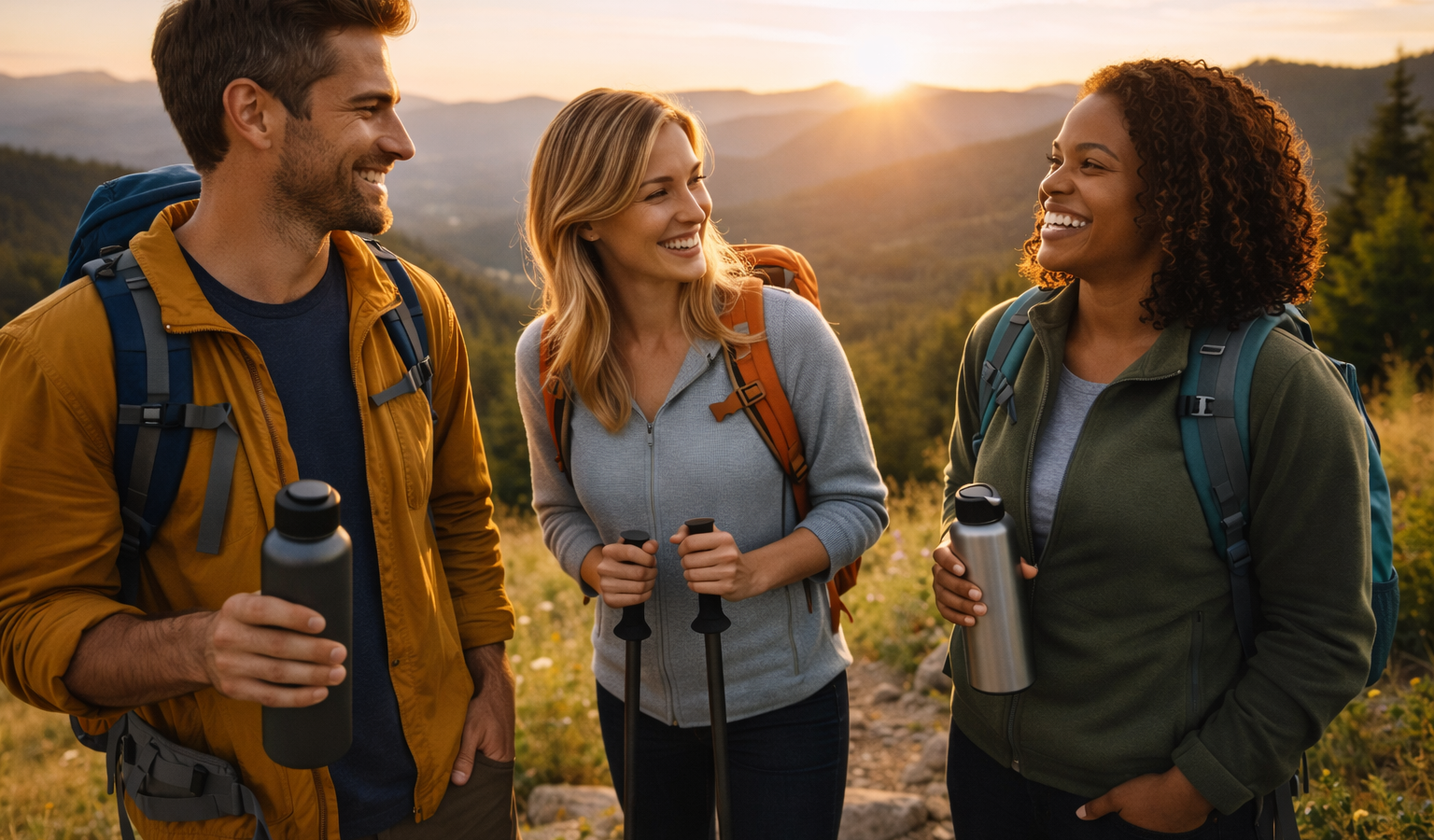
Outdoor Recreation Trends Supporting Wellness are reshaping how individuals approach health, fitness, and stress management. As awareness of mental health, physical activity, and work-life balance grows, outdoor activities are increasingly viewed not just as leisure pursuits but as essential components of well-being.
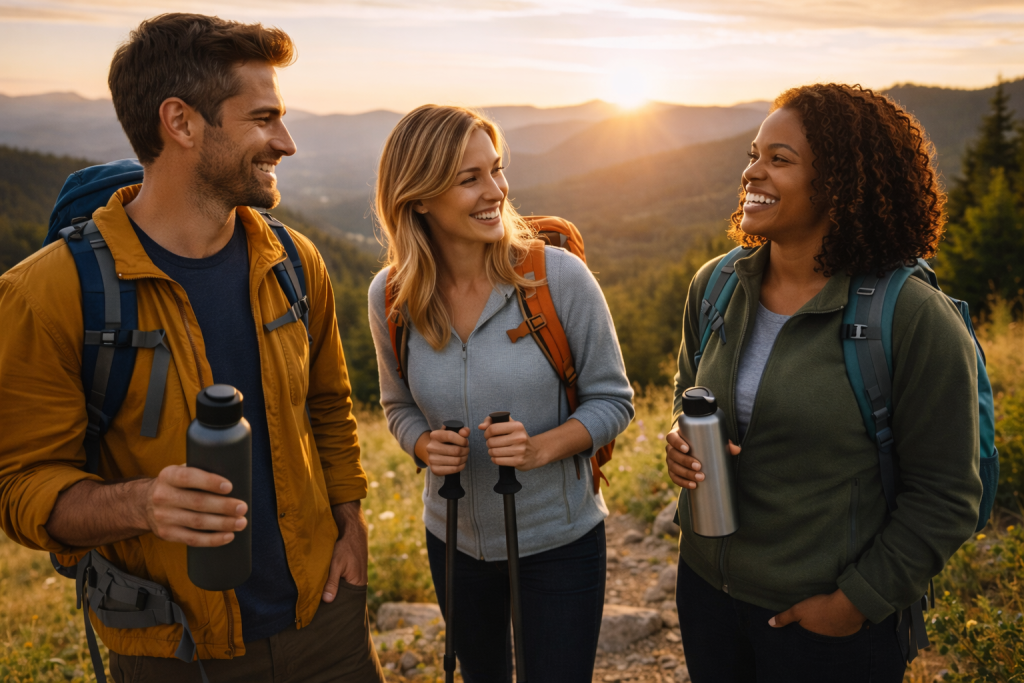
From hiking and cycling to open-water swimming and nature-based mindfulness practices, outdoor recreation is becoming integrated into daily wellness routines. Technology, urban planning, and shifting lifestyle priorities are accelerating this transformation.
In this article, we explore the most influential outdoor recreation trends supporting wellness, why they are expanding globally, and how they contribute to physical and mental health.
Why Outdoor Recreation Trends Supporting Wellness Are Growing
Several structural and cultural factors are driving this shift.
First, sedentary lifestyles have prompted public health concerns. The World Health Organization emphasizes the importance of regular physical activity in reducing risks associated with cardiovascular disease, diabetes, and mental health disorders (World Health Organization – Physical Activity Fact Sheet: https://www.who.int).
Second, mental health awareness has expanded significantly. Research from the American Psychological Association suggests that time spent in natural environments can reduce stress and improve mood (American Psychological Association – Nature and Mental Health: https://www.apa.org).
Third, urban design trends increasingly prioritize green spaces, parks, and pedestrian-friendly infrastructure. Cities are recognizing that outdoor access contributes to community well-being.
Together, these factors explain why outdoor recreation trends supporting wellness are gaining sustained momentum.
Hiking and Nature Immersion
Hiking remains one of the most accessible and popular forms of outdoor recreation.
Benefits include:
- Cardiovascular fitness improvement
- Muscle strengthening
- Reduced stress levels
- Enhanced mental clarity
Spending time in natural environments has been associated with lower cortisol levels and improved mood regulation. Forest bathing—a practice rooted in Japanese wellness traditions—emphasizes mindful engagement with natural surroundings.
Accessible trail networks and national park expansions have further supported participation growth.
Cycling for Physical and Environmental Health
Cycling has expanded as both a fitness activity and a transportation alternative.
Urban cycling infrastructure improvements—such as dedicated bike lanes and shared bike programs—have encouraged participation.
According to the Centers for Disease Control and Prevention, regular cycling improves cardiovascular health and reduces obesity risk (CDC – Physical Activity Benefits: https://www.cdc.gov).
Cycling also aligns with sustainability goals by reducing vehicle emissions and promoting active commuting.
Outdoor Group Fitness and Community Engagement
Outdoor fitness classes and community-based recreation programs are increasing in popularity.
Examples include:
- Park-based yoga sessions
- Outdoor boot camps
- Community running clubs
- Open-air strength training groups
These activities combine physical health benefits with social connection, which is essential for emotional well-being.
Social support structures often improve exercise consistency and accountability.
Open-Water Swimming and Cold Exposure
Cold-water swimming and open-water activities have gained attention for their potential wellness benefits.
Advocates cite improved circulation, mood enhancement, and stress resilience. While research continues evolving, some studies suggest cold exposure may stimulate endorphin release and enhance alertness.
Safety guidelines and gradual adaptation remain important when engaging in cold-water recreation.
Outdoor Mindfulness and Meditation
Outdoor recreation trends supporting wellness increasingly integrate mindfulness practices.
Activities such as:
- Outdoor meditation sessions
- Guided nature walks
- Breathwork in park settings
- Digital detox retreats
combine mental focus with environmental immersion.
Harvard Health Publishing notes that mindfulness-based practices can improve stress regulation and emotional resilience (Harvard Health – Mindfulness and Stress Reduction: https://www.health.harvard.edu).
Practicing mindfulness outdoors may enhance sensory awareness and relaxation.
Adventure Recreation and Confidence Building
More physically demanding activities such as rock climbing, trail running, kayaking, and mountaineering are also growing.
Adventure recreation promotes:
- Physical strength
- Problem-solving skills
- Self-confidence
- Emotional resilience
Outdoor challenges often foster a sense of accomplishment and personal growth.
Structured programs emphasize safety training and gradual progression.
Green Exercise and Urban Wellness Design
The concept of “green exercise” refers to physical activity conducted in natural settings.
Urban planners increasingly incorporate green corridors, rooftop gardens, and accessible park systems into city infrastructure.
Research published by environmental health organizations suggests that proximity to green spaces is associated with improved mental well-being and lower stress levels.
Accessible urban recreation opportunities support wellness across diverse socioeconomic groups.
Technology and Outdoor Activity Tracking
Technology has enhanced participation in outdoor recreation.
Fitness tracking apps and wearable devices allow users to:
- Monitor heart rate
- Track distances and elevation
- Set fitness goals
- Join digital activity communities
Digital mapping tools also increase accessibility by providing trail information and safety updates.
While technology supports engagement, balanced use is important to maintain the restorative aspects of outdoor activity.
Inclusivity and Accessibility in Outdoor Recreation
Wellness-focused outdoor trends increasingly emphasize accessibility.
Efforts include:
- Adaptive recreation programs
- Accessible trail design
- Community-based outdoor education
- Equipment-sharing initiatives
Expanding access ensures that diverse populations can benefit from nature-based activities.
Organizations promoting inclusive outdoor programs contribute to broader public health goals.
Economic and Industry Impacts
Outdoor recreation has become a significant economic sector.
The U.S. Bureau of Economic Analysis reports that outdoor recreation contributes substantially to national economic output (U.S. Bureau of Economic Analysis – Outdoor Recreation Satellite Account: https://www.bea.gov).
Growth in this sector supports employment in tourism, equipment manufacturing, and local service industries.
Investment in recreation infrastructure often yields both economic and health-related returns.
Practical Tips for Integrating Outdoor Recreation into Daily Life
Individuals seeking to incorporate outdoor recreation into wellness routines may consider:
Start Gradually
Begin with short walks or light cycling sessions.
Schedule Consistency
Establish regular outdoor activity times.
Explore Local Parks
Identify accessible green spaces nearby.
Join Community Groups
Participate in organized activities for accountability.
Balance Intensity
Alternate between moderate and challenging activities.
Consistency enhances both physical and mental benefits.
The Future of Outdoor Recreation and Wellness
Outdoor recreation trends supporting wellness are likely to expand further as public health awareness increases.
Future developments may include:
Expanded urban green infrastructure
Corporate wellness programs integrating outdoor activity
Digital platforms connecting local outdoor communities
Climate-adaptive recreation planning
Inclusive design innovations
As environmental sustainability and personal health remain priorities, outdoor recreation will likely play a central role in holistic wellness strategies.
Conclusion
Outdoor Recreation Trends Supporting Wellness reflect a growing recognition that physical activity, mental resilience, and environmental connection are deeply interconnected. From hiking and cycling to mindfulness practices and adventure sports, outdoor engagement offers measurable benefits for physical health and emotional stability.
As urban planning, technology, and community initiatives continue evolving, outdoor recreation is becoming more accessible and integrated into daily routines. Individuals who prioritize consistent engagement with natural environments often experience enhanced well-being and long-term health benefits.
Outdoor recreation is not merely a pastime—it is increasingly a strategic approach to sustainable wellness.
References
World Health Organization – Physical Activity Fact Sheet: https://www.who.int
American Psychological Association – Nature and Mental Health Research: https://www.apa.org
Centers for Disease Control and Prevention – Physical Activity Benefits: https://www.cdc.gov
Harvard Health Publishing – Mindfulness and Stress Reduction: https://www.health.harvard.edu
U.S. Bureau of Economic Analysis – Outdoor Recreation Satellite Account: https://www.bea.gov