
Sleep quality has become one of the most discussed health topics in recent years, not because people suddenly care more about rest, but because modern lifestyles make good sleep harder to achieve. Irregular schedules, extended screen time, flexible work hours, and constant mental stimulation have changed how and when people sleep. In response, lifestyle choices that improve sleep quality are gaining attention as sustainable, everyday solutions rather than medical or short-term fixes.
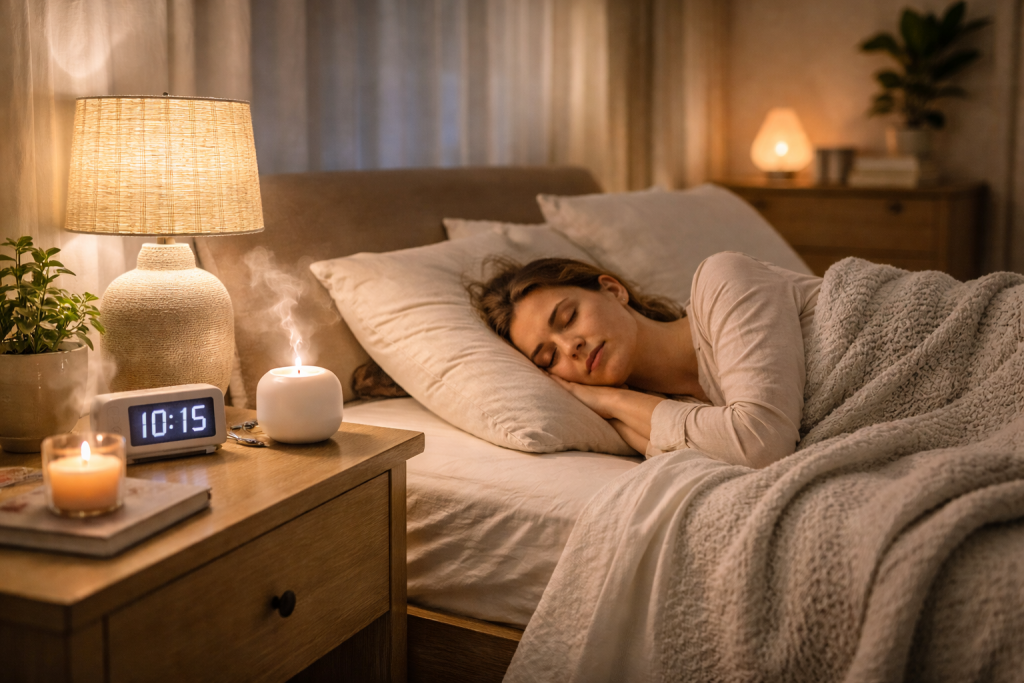
Within the Home / Kitchen category, this trend is especially relevant. Sleep does not begin at bedtime. It is shaped throughout the day by routines, environments, and behaviors that start in the morning and continue until lights go out. This article explores the lifestyle choices most strongly linked to improved sleep quality and explains how home-based habits play a central role in better rest.
Why Sleep Quality Is Declining Despite Better Awareness
Many people know what they should do to sleep better, yet struggle to apply that knowledge consistently. The issue is rarely a lack of information. It is misalignment between advice and real life.
Several lifestyle shifts contribute to declining sleep quality:
- Flexible work schedules disrupting daily rhythms
- Increased exposure to artificial light and screens
- Reduced physical movement during the day
- Blurred boundaries between work and rest
According to insights from World Health Organization, sleep disturbances are increasingly linked to lifestyle factors rather than medical conditions. This has shifted attention toward daily choices that quietly influence sleep long before bedtime.
Sleep as a 24-Hour Process
One of the most important mindset shifts behind lifestyle choices that improve sleep quality is understanding that sleep is regulated over a full day, not just at night.
Key daytime influences on sleep include:
- Light exposure
- Meal timing
- Physical activity
- Stress regulation
- Routine consistency
Homes play a critical role in shaping these factors because they provide the environment in which most daily habits occur.
Morning Light Exposure and Sleep Regulation
Morning light is one of the strongest signals for the body’s internal clock. Exposure to natural light early in the day helps regulate melatonin production later at night.
Lifestyle choices that support this include:
- Opening curtains shortly after waking
- Spending a few minutes outdoors in the morning
- Positioning breakfast or morning routines near windows
Research summarized by Harvard Health Publishing shows that consistent morning light exposure improves sleep timing and quality, especially for people with irregular schedules.
Meal Timing and Evening Sleep Quality
What and when people eat has a direct impact on sleep. Late, heavy meals can disrupt digestion and delay sleep onset, while irregular eating patterns confuse the body’s rhythm.
Sleep-supportive eating habits include:
- Eating dinner at a consistent time
- Allowing several hours between dinner and sleep
- Avoiding large meals late in the evening
Kitchens strongly influence this behavior. Homes with predictable meal routines make it easier to maintain sleep-friendly eating patterns.
Caffeine Awareness as a Lifestyle Choice
Caffeine consumption is often discussed in terms of quantity, but timing matters just as much.
Lifestyle choices that improve sleep quality often involve:
- Limiting caffeine after early afternoon
- Replacing late-day coffee with non-stimulating beverages
- Being mindful of hidden caffeine sources
According to research cited by National Institutes of Health, caffeine consumed late in the day can significantly reduce sleep duration and quality, even if sleep onset feels unaffected.
Movement and Physical Activity During the Day
Regular movement supports sleep by increasing sleep pressure and reducing stress. However, timing and intensity matter.
Sleep-supportive movement habits include:
- Moderate physical activity earlier in the day
- Light movement in the late afternoon
- Avoiding intense exercise close to bedtime
According to guidance from Centers for Disease Control and Prevention, regular physical activity is associated with improved sleep quality, even when activity is moderate rather than intense.
Homes that support easy, frequent movement make these habits easier to sustain.
Evening Routines That Signal Rest
Evening routines are one of the most powerful lifestyle choices that improve sleep quality. These routines help signal the transition from activity to rest.
Effective evening routines include:
- Consistent wind-down times
- Reduced stimulation in shared spaces
- Simple, repeatable actions that signal closure
Kitchens often mark this transition through dinner, cleanup, or preparing for the next day. When these activities are calm and predictable, they help regulate the body’s readiness for sleep.
Reducing Evening Light Exposure
Artificial light, especially bright and cool-toned lighting, interferes with natural sleep signals.
Sleep-supportive lighting choices include:
- Dimming lights in the evening
- Using warmer light tones after sunset
- Avoiding bright overhead lighting late at night
According to insights from American Academy of Sleep Medicine, reducing evening light exposure supports melatonin release and improves sleep onset.
Screen Habits and Cognitive Wind-Down
Screen use affects sleep not only through light exposure but also through mental stimulation. Content consumption close to bedtime keeps the brain in an alert state.
Lifestyle adjustments that support better sleep include:
- Setting a consistent screen cut-off time
- Replacing scrolling with low-stimulation activities
- Avoiding work-related content in the evening
Homes that support screen boundaries, such as screen-free meals or dedicated charging areas, make these habits easier to maintain.
Stress Management Through Daily Choices
Stress is one of the most common barriers to good sleep. Lifestyle choices that improve sleep quality often focus on reducing baseline stress rather than eliminating it entirely.
Stress-reducing habits include:
- Predictable daily routines
- Brief reflection or planning earlier in the evening
- Avoiding problem-solving late at night
Research referenced by American Psychological Association links chronic stress with reduced sleep quality and increased nighttime awakenings, reinforcing the importance of daily stress regulation.
Consistency Over Perfection
One of the most overlooked sleep-improving lifestyle choices is consistency. Perfect routines followed occasionally are less effective than simple routines followed most days.
Consistency includes:
- Similar bed and wake times
- Repeated pre-sleep habits
- Stable daily rhythms
Homes that support routine consistency, especially around meals and evening activities, help reinforce this pattern naturally.
The Bedroom as a Sleep-Only Space
While this article focuses on lifestyle, environmental cues matter. Associating the bedroom with sleep rather than activity strengthens sleep signals.
Supportive habits include:
- Limiting work or screens in bed
- Using the bedroom primarily for rest
- Creating clear transitions into sleep time
These choices reinforce the body’s association between environment and sleep.
Alcohol and Sleep Disruption
Alcohol is often perceived as a sleep aid, but it disrupts sleep architecture later in the night.
Lifestyle choices that improve sleep quality often involve:
- Reducing evening alcohol consumption
- Avoiding alcohol close to bedtime
- Being aware of its delayed effects on sleep
According to research from National Sleep Foundation, alcohol reduces deep sleep and increases nighttime awakenings.
Weekend Sleep Habits and Long-Term Quality
Inconsistent weekend sleep patterns can undermine weekday routines. Large shifts in sleep timing disrupt the internal clock.
Sleep-supportive weekend habits include:
- Maintaining similar wake times
- Avoiding excessive catch-up sleep
- Preserving evening routines
These choices support long-term sleep stability rather than short-term recovery.
Nutrition Choices That Support Sleep Hormones
Certain nutritional patterns support the body’s sleep-related hormones.
Helpful habits include:
- Balanced meals with protein and complex carbohydrates
- Avoiding extreme dietary restriction
- Maintaining regular eating patterns
Kitchens that support simple, repeatable meals make these choices easier to sustain.
Why Sleep-Supportive Lifestyles Are Gaining Attention
Lifestyle choices that improve sleep quality are gaining momentum because people recognize that sleep affects everything: focus, mood, immunity, and long-term health.
Rather than relying on supplements or devices, many are turning to daily habits that align with how they actually live.
Homes, especially kitchens and shared spaces, are central to this shift because they shape routines more than any external intervention.
Conclusion
Lifestyle choices that improve sleep quality are less about strict rules and more about alignment. When daily routines, environments, and behaviors support natural rhythms, sleep improves as a result.
By focusing on light exposure, meal timing, movement, stress regulation, and consistent routines, households can support better sleep without adding pressure or complexity. As modern life continues to evolve, sleep-friendly lifestyles rooted in everyday habits will remain one of the most powerful tools for long-term health and well-being.
References
World Health Organization. “Sleep and Health.” https://www.who.int
Harvard Health Publishing. “Sleep, Light, and Daily Rhythms.” https://www.health.harvard.edu
National Institutes of Health. “Caffeine, Sleep, and Circadian Health.” https://www.nih.gov
Centers for Disease Control and Prevention. “Physical Activity and Sleep.” https://www.cdc.gov
American Academy of Sleep Medicine. “Healthy Sleep Habits.” https://aasm.org
American Psychological Association. “Stress and Sleep.” https://www.apa.org
National Sleep Foundation. “Alcohol and Sleep Quality.” https://www.sleepfoundation.org