
Food has always been a window into culture, history, and community. In 2025, a growing number of home cooks and chefs are looking beyond familiar dishes to rediscover global flavors. Because of this, interest in global culinary traditions inspiring modern recipes continues to rise. People want fresh ideas, and many of the most popular new dishes today are rooted in centuries-old cooking practices. When global traditions meet modern creativity, the result is food that feels both comforting and innovative.
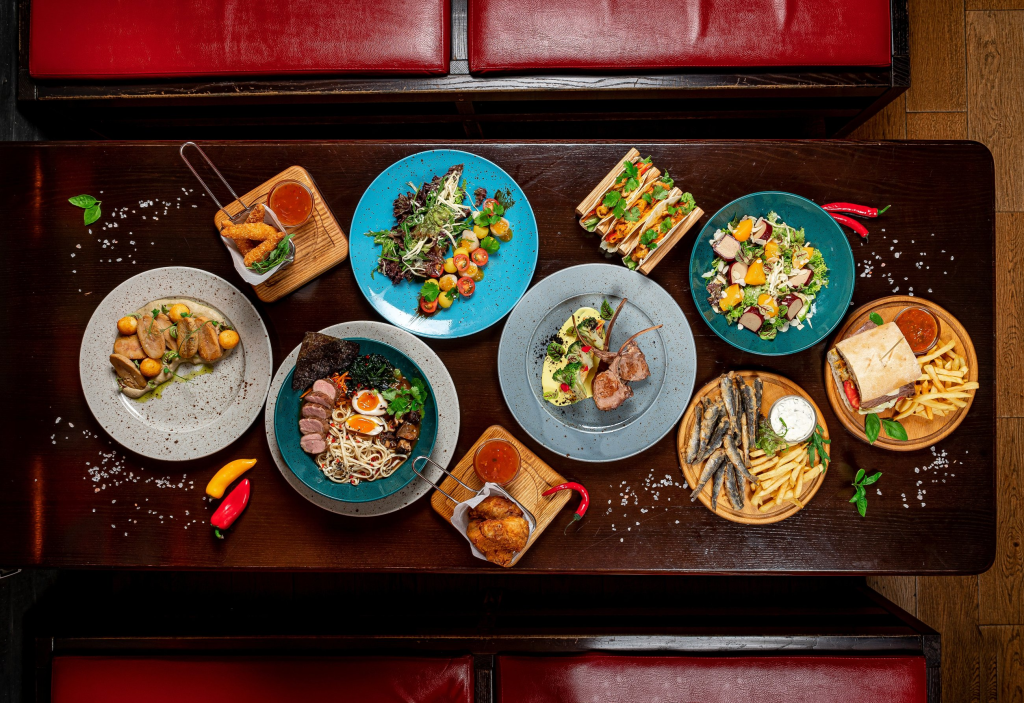
As travel, digital media, and cultural exchange increase, more cooks gain access to ingredients and techniques from around the world. This creates opportunities to experiment, adapt, and build recipes that honor their origins while fitting today’s taste preferences and lifestyles.
Why Global Culinary Traditions Matter Today
Several trends are driving the renewed interest in cultural food traditions:
- Consumers seek authentic flavors and meaningful food experiences.
- Younger cooks want dishes that reflect global diversity.
- Fusion cuisine is shifting toward more respectful, knowledge-driven blending.
- Access to specialty spices and international ingredients is easier than ever.
- Home cooking has grown in popularity due to hybrid work schedules.
Because these factors continue to shape modern cooking, global culinary traditions inspiring modern recipes play an important role in today’s food culture.
Global Culinary Traditions Inspiring Modern Recipes (2025 Guide)
Below are some of the global traditions shaping contemporary cooking and the ways they influence today’s recipes.
1. Japanese Minimalism and Precision Cooking
Japan’s culinary tradition focuses on simplicity, balance, and ingredient quality. These ideas strongly influence modern recipes that highlight clean flavors.
Common elements now used in modern cooking:
- Broths made with kombu and bonito
- Minimal seasoning to enhance natural flavor
- Clean plating and small portion emphasis
- Tools such as mandolins and donabe pots
Modern chefs adapt these techniques to create refined soups, rice bowls, and vegetable-focused meals.
2. Mediterranean Balance and Heart-Healthy Ingredients
The Mediterranean diet remains one of the most influential culinary traditions due to its focus on vegetables, whole grains, and healthy fats.
Popular ingredients inspiring today’s recipes include:
- Olive oil
- Tomatoes and herbs
- Whole grains such as farro
- Fresh seafood
- Chickpeas and lentils
These elements appear in modern bowls, mezze platters, quick weeknight meals, and plant-forward menus.
3. Indian Spice Layering and Regional Diversity
India’s culinary history includes thousands of regional spice blends. Modern recipes increasingly draw from these traditions to create depth and aroma.
Influential Indian techniques include:
- Blooming spices in oil
- Using yogurt for marinades
- Combining heat with sweetness
- Slow-simmered sauces
Today’s cooks use these methods to prepare curries, roasted vegetables, soups, and marinades with layered flavor.
4. Mexican Heritage Cooking and Bold Flavors
Mexican cuisine blends Indigenous ingredients with Spanish influences, resulting in rich sauces, corn-based dishes, and slow-cooked meats.
Elements inspiring modern recipes include:
- Mole-style sauces
- Salsas made with roasted vegetables
- Homemade tortillas
- Chipotle and ancho chili seasoning
From tacos to grain bowls, Mexican culinary traditions inspire creative meals across many kitchens.
5. Middle Eastern Warmth and Aromatic Spices
Middle Eastern cooking centers around warm spices, herbs, and shared meals. These traditions inspire a wide range of modern recipes.
Popular Middle Eastern influences include:
- Za’atar seasoning
- Tahini-based sauces
- Slow-cooked lamb and chicken
- Grains like bulgur and couscous
- Fresh herbs such as mint and parsley
Many modern salads, wraps, and mezze-style plates draw from this rich culinary heritage.
6. West African Stews and Ground Spice Blends
West Africa’s culinary influence continues to expand globally due to its bold flavors and hearty dishes.
Key inspirations include:
- Peanut-based stews
- Jollof-style rice
- Berbere and suya spice mixes
- Chili-forward sauces
These traditions shape modern comfort foods and plant-based recipes with strong, warm flavors.
7. Chinese Regional Traditions and Balance of Textures
China’s vast culinary landscape offers a wide range of cooking styles, from Sichuan spice to Cantonese brightness.
Modern influence includes:
- Stir-frying techniques
- Steamed dishes with subtle seasoning
- Hot pot broths
- Dumpling fillings and wrappers
- Use of aromatics such as ginger and scallions
These methods appear in both home kitchens and modern restaurants.
8. Nordic Simplicity and Seasonal Ingredients
Nordic cuisine emphasizes local ingredients, simple preparation, and fresh flavors.
Influential Nordic practices include:
- Pickling and fermenting
- Smoked fish techniques
- Root vegetable-based dishes
- Clean, minimalist presentation
These ideas contribute to wellness-focused recipes and seasonal cooking trends.
9. South American Grilling and Vibrant Produce
South America offers a diverse range of culinary traditions that bring color and intensity to modern meals.
Popular inspirations include:
- Argentinian chimichurri
- Peruvian ceviche
- Brazilian stews and grilled meats
- Andean grains like quinoa
These traditions influence marinades, grilled dishes, and bright citrus-based sauces.
10. Southeast Asian Balance of Sweet, Sour, Salty, and Spicy
Countries like Thailand, Vietnam, and Indonesia use balanced flavor profiles to create dynamic dishes.
Influential elements include:
- Coconut milk
- Lemongrass and galangal
- Fish sauce
- Fresh herbs
- Chili pastes
Modern cooks use these traditions to build flavorful soups, noodle dishes, and stir-fries.
How Global Traditions Shape Modern Cooking Techniques
Beyond ingredients, global traditions also influence cooking styles and preparation methods.
1. Slow cooking – Inspired by African, Caribbean, and Indian stews.
2. Fermentation – Drawn from Korean, Japanese, and Nordic practices.
3. Fire and smoke cooking – Common in South American and Australian traditions.
4. Flatbread and dough preparation – Found across Mediterranean, Middle Eastern, and Asian cuisines.
5. Spice roasting and grinding – Essential in Indian and Ethiopian cooking.
These methods bring depth, texture, and complexity to modern recipes.
How These Culinary Traditions Improve Everyday Meals
Drawing from global traditions encourages cooks to try new ingredients and experiment with flavor. As a result, home meals become:
- More varied
- More nutrient rich
- More culturally aware
- More creative
- More enjoyable to prepare
Because global influences bring new ideas to the table, global culinary traditions inspiring modern recipes help shape a more connected food culture.
Conclusion
In 2025, global food traditions play a major role in shaping modern cooking. With access to international ingredients and growing interest in cultural food stories, cooks are blending heritage techniques with contemporary creativity. Whether inspired by Japanese precision, Indian spices, Mexican sauces, or Nordic simplicity, these traditions offer tools and ideas for building flavorful meals.
As more people continue exploring global cuisine, global culinary traditions inspiring modern recipes will remain essential in helping home cooks create dishes that honor both history and modern taste.
Sources
- National Geographic – Global Food Culture
https://nationalgeographic.com - BBC Food – International Cooking Techniques
https://bbc.com/food - Food & Wine – Global Culinary Trends
https://foodandwine.com