A well-designed home supports comfort, efficiency, and peace of mind. Yet many people struggle with layouts that disrupt routines instead of supporting them. Because of this, interest in home layout tips that encourage better daily flow continues to grow in 2025. Whether someone lives in a large house or a compact apartment, thoughtful layout decisions can make day-to-day tasks feel smoother and more enjoyable.
Daily flow refers to how easily people move through their homes and complete everyday activities. When the layout works, mornings feel calmer, chores take less time, and transitions between spaces become more natural. Small adjustments often create meaningful improvements.
Why Daily Flow Matters in Home Design
Several lifestyle factors explain the rising importance of flow-focused layouts:
- Hybrid work schedules demand flexible, multifunctional spaces.
- Families want areas that support both connection and privacy.
- Smaller homes require smarter organization.
- People value routines that reduce stress and clutter.
- Wellness trends emphasize calm, intentional living spaces.
Because these needs shape how people use their homes, home layout tips that encourage better daily flow help create environments that support well-being and productivity.
Home Layout Tips That Encourage Better Daily Flow (2025 Guide)
The following design strategies can improve how your home functions on a daily basis.
1. Create Clear Zones for Different Activities
Zoning is one of the most effective ways to improve daily flow. It groups activities into designated areas so each space serves a clear purpose.
Common home zones include:
- Work and study
- Relaxation
- Cooking and dining
- Play or hobby
- Exercise
- Storage and cleanup
Even in small homes, zoning works well by using rugs, furniture placement, or lighting to separate areas. When activities have defined spaces, transitions feel more natural.
2. Keep High-Traffic Pathways Clear and Uncluttered
Flow breaks down when walkways become blocked. Clear pathways help people move comfortably through the home without detours or frustration.
Practical ways to maintain open pathways:
- Avoid oversized furniture in narrow halls
- Use floating shelves instead of bulky units
- Choose round tables to reduce sharp corners
- Keep shoes and bags stored near entry points
These adjustments make the home feel more spacious and organized.
3. Position Key Items Where You Need Them Most
A major part of daily flow is reducing the distance between a task and the items needed to complete it.
Examples include:
- Keeping coffee supplies near the coffee maker
- Storing pet leashes near the door
- Placing cleaning supplies in each major area
- Saving frequently used cookware within arm’s reach
Strategic placement saves time and minimizes unnecessary movement.
4. Improve Lighting to Guide Movement and Mood
Lighting influences both navigation and comfort. Good lighting supports natural routines throughout the day.
Useful lighting strategies:
- Use bright lighting in task areas such as kitchens or workspaces
- Install soft lighting in relaxation zones
- Add nightlights to hallways for safe nighttime movement
- Position lights to avoid shadows in high-traffic areas
Lighting that supports activity boosts the home’s daily rhythm.
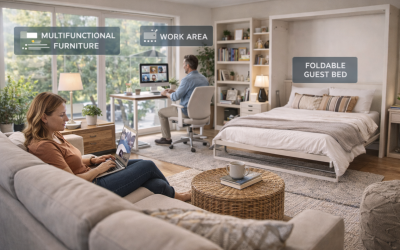
5. Incorporate Multifunctional Furniture
Multifunctional pieces allow rooms to shift between purposes without feeling overcrowded.
Examples include:
- Fold-out desks
- Convertible sofas
- Storage ottomans
- Dining tables with extendable leaves
- Beds with built-in drawers
These pieces help maximize smaller spaces while supporting multiple daily routines.
6. Use Storage to Maintain Visual Calm
Clutter disrupts flow instantly, so accessible storage is essential. When items have a proper place, the home feels easier to navigate.
Effective storage ideas include:
- Baskets for high-use items
- Wall-mounted hooks for quick organization
- Built-in cabinets for long-term storage
- Drawer dividers to keep essentials sorted
Because clutter affects stress levels, organized storage supports better daily living.
7. Arrange Furniture to Support Conversation and Movement
Furniture placement shapes how people move and interact within a room.
Good layout practices include:
- Positioning sofas to create inviting conversation zones
- Avoiding furniture that blocks entrances or windows
- Using seating that encourages natural movement
- Creating walking paths around the edges of rooms
Thoughtful arrangements make living spaces feel more open and comfortable.
8. Design Entryways That Simplify Coming and Going
Entryways influence the start and end of each day. A functional entry space prevents clutter from spreading across the home.
Useful entryway features include:
- A bench for removing shoes
- Hooks or racks for bags and coats
- A small tray for keys
- Storage baskets for quick cleanup
When entry areas work well, they set a positive tone for daily routines.
9. Use Vertical Space to Free Up Floor Movement
Vertical storage helps keep floors open for easier movement.
Practical examples:
- Tall bookcases
- Mounted storage above desks
- Vertical kitchen organizers
- Pegboards for tools or craft supplies
These solutions support small homes and maintain smooth traffic flow.
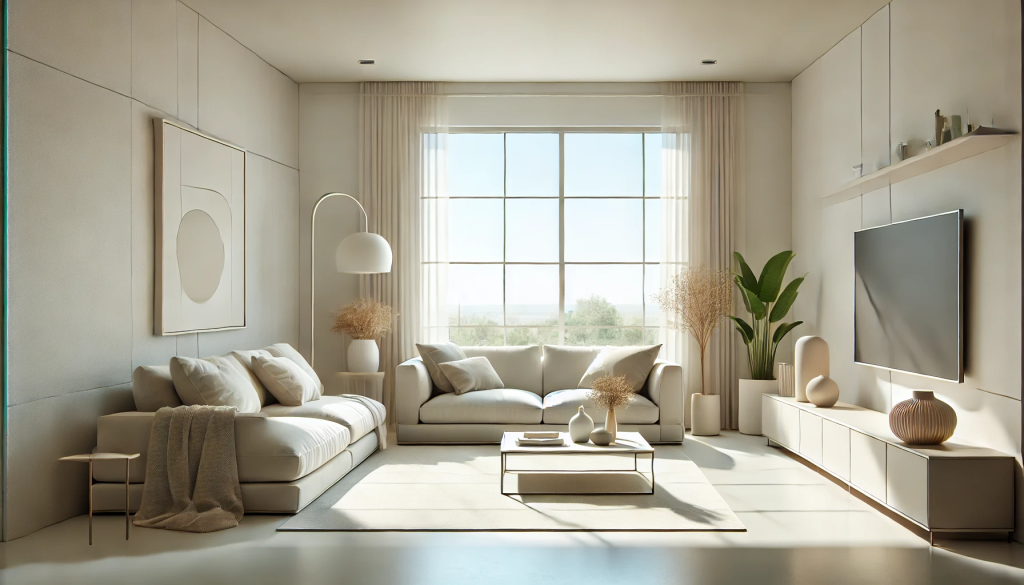
10. Bring Natural Light Into Frequently Used Spaces
Natural light improves mood and helps spaces function better throughout the day.
Ways to increase natural light:
- Keep windows unobstructed
- Use lighter window treatments
- Add mirrors to reflect daylight
- Choose light-colored walls to brighten the space
Because natural light supports both productivity and relaxation, it contributes to better daily flow.
Additional Home Layout Tips That Encourage Better Daily Flow
Here are a few more strategies to refine your space:
1. Rotate layout seasonally – Different seasons call for different lighting and airflow needs.
2. Limit excess furniture – Fewer pieces help maintain focus and function.
3. Use rugs to define areas – Rugs add warmth while separating zones visually.
4. Place outlets strategically – Reduce cable clutter and increase usability.
5. Keep surfaces clear – Clean surfaces make transitions smoother.
These small changes can significantly improve how the home feels and functions.
How Better Daily Flow Improves Overall Quality of Life
A home that supports natural movement and routine offers several benefits:
- Reduced daily stress
- Easier cleaning and organization
- Smoother morning and evening routines
- Better focus in work or study areas
- More enjoyable time spent at home
When your home’s layout works well, everyday life feels more manageable.
Conclusion
Thoughtful design choices greatly influence how smoothly life unfolds inside the home. With the right home layout tips that encourage better daily flow, it becomes easier to move through rooms, complete daily tasks, and keep the space organized. Whether through zoning, lighting improvements, smart storage, or furniture placement, improving the layout strengthens both comfort and function.
In 2025, many people continue to seek homes that support calm, clarity, and everyday ease. Even the smallest layout changes can help create an environment that better fits your lifestyle.
Sources
- Architectural Digest – Interior Layout Tips
https://architecturaldigest.com - Real Simple – Home Organization and Flow
https://realsimple.com - Better Homes & Gardens – Functional Home Design Ideas
https://bhg.com