
Lighting has become one of the most influential elements in modern home design. Beyond basic functionality, it now plays a central role in shaping mood, comfort, and how a space is experienced throughout the day. As lifestyles become more flexible and home environments serve multiple purposes, home lighting trends that change room ambiance are gaining attention for their ability to transform spaces without major renovations.
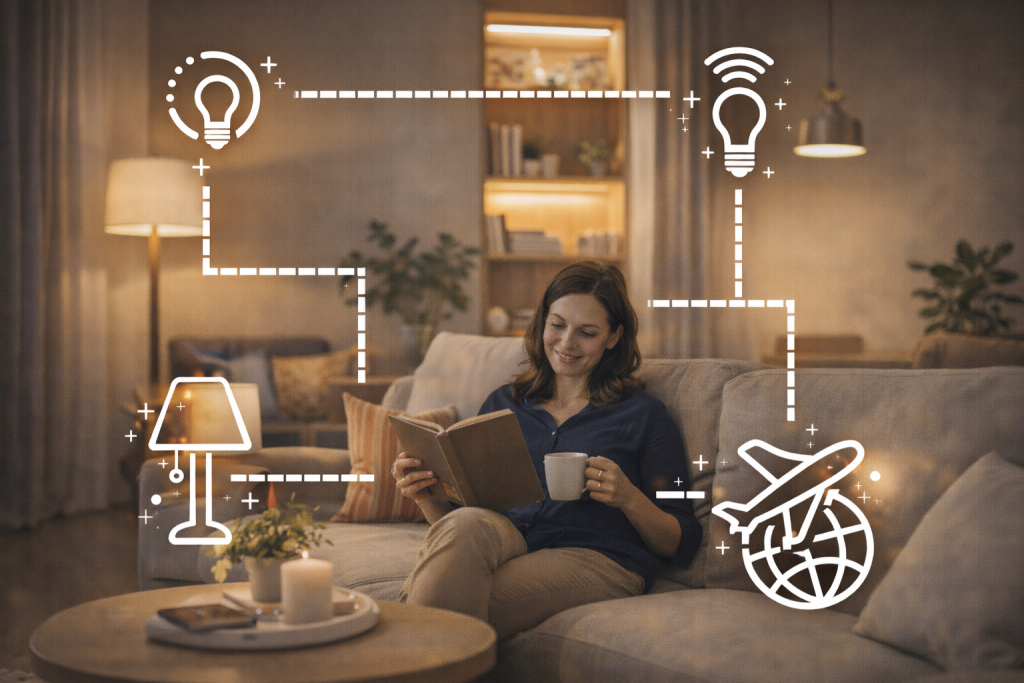
Well-designed lighting can make a room feel calmer, warmer, more spacious, or more focused. It affects how colors appear, how furniture is perceived, and even how people feel emotionally in a space. Today’s lighting trends focus on adaptability, subtlety, and intentional layering rather than single, overpowering fixtures.
This article explores home lighting trends that change room ambiance, explains why they are becoming mainstream, and highlights practical ways to apply them in everyday interiors.
Why Lighting Has Become a Key Design Focus
Modern homes are expected to support multiple activities within the same space. A living room may function as a workspace during the day and a relaxation zone in the evening.
Key reasons lighting has taken center stage include:
- Increased time spent at home
- Open-plan layouts requiring flexible lighting
- Greater awareness of mood and wellbeing
- Advances in lighting technology
Lighting is no longer an afterthought; it is a design tool.
Understanding Ambiance Through Light
Ambiance is shaped by how light interacts with space.
Light Intensity and Mood
Brighter light supports focus and activity, while softer light encourages relaxation. Controlling intensity allows a room to shift purpose throughout the day.
Color Temperature Effects
Warm light creates comfort and intimacy, while cooler light feels energizing and crisp. Choosing appropriate color temperatures is essential for desired ambiance.
Home Lighting Trends That Change Room Ambiance Through Layering
Layered lighting is one of the most important modern trends.
Combining Multiple Light Sources
Instead of relying on a single ceiling fixture, layered lighting combines:
- Ambient lighting for overall illumination
- Task lighting for specific activities
- Accent lighting for visual interest
This approach creates depth and flexibility.
Reducing Harsh Overhead Lighting
Overhead lights are increasingly paired with softer alternatives to avoid flat or overly bright environments.
Indirect and Hidden Lighting Solutions
Indirect lighting is redefining ambiance.
Cove and Recessed Lighting
Lighting concealed in ceilings, shelves, or architectural details creates a soft glow without visible fixtures. This reduces glare and adds sophistication.
Backlighting for Depth
Backlit mirrors, headboards, and shelving add visual depth and create calming, ambient effects.
Home Lighting Trends That Change Room Ambiance With Dimmers
Control is as important as light itself.
Adjustable Brightness
Dimmers allow instant mood shifts, supporting both functional and relaxed settings in the same space.
Supporting Circadian Rhythms
Lowering light levels in the evening supports natural wind-down routines and improves comfort.
Statement Lighting With Soft Impact
Statement lighting remains popular, but with a refined approach.
Sculptural Fixtures as Focal Points
Decorative fixtures are used to anchor rooms visually while providing diffused light rather than harsh brightness.
Balancing Style and Function
Modern statement lighting emphasizes form without sacrificing comfort.
Home Lighting Trends That Change Room Ambiance With Warm Tones
Warm lighting is making a strong return.
Moving Away From Cool, Stark Lighting
Many homeowners are replacing cool-toned lighting with warmer hues that create inviting atmospheres.
Blending Warm Light With Neutral Interiors
Warm light complements neutral color palettes, enhancing texture and material warmth.
Natural Light Integration
Artificial lighting increasingly works alongside daylight.
Maximizing Daylight Flow
Sheer window treatments and reflective surfaces help distribute natural light evenly.
Adapting Artificial Light to Daylight Changes
Lighting plans now consider how spaces transition from day to evening, maintaining consistent ambiance.
Home Lighting Trends That Change Room Ambiance in Bedrooms
Bedrooms benefit greatly from thoughtful lighting.
Low-Level and Bedside Lighting
Soft bedside lamps and wall-mounted lights support relaxation without overstimulation.
Eliminating Bright Central Fixtures
Many bedrooms now rely less on overhead lighting, favoring layered, calming alternatives.
Living Room Lighting Trends
Living rooms require flexibility.
Zoning With Light
Different lighting zones support reading, conversation, or entertainment within the same space.
Floor and Table Lamps for Warmth
Portable lamps add warmth and adaptability, making rooms feel more lived-in.
Kitchen and Dining Lighting Shifts
Functional spaces are becoming more atmospheric.
Task Lighting With Soft Edges
Under-cabinet lighting supports functionality while maintaining comfort.
Dining Lighting That Encourages Connection
Pendant lights with warm diffusion create intimate dining environments.
Home Lighting Trends That Change Room Ambiance With Smart Controls
Technology supports personalization.
Scene-Based Lighting
Pre-set lighting scenes allow instant ambiance changes for different activities.
App and Voice Control
Smart lighting systems offer convenience without requiring constant adjustment.
Sustainable Lighting Choices
Efficiency and design now go hand in hand.
LED Advancements
Modern LED lighting offers warm tones, dimming capability, and long lifespan with reduced energy use.
Thoughtful Fixture Placement
Using fewer, well-placed lights often creates better ambiance than excessive fixtures.
Common Lighting Mistakes That Reduce Ambiance
Avoiding common errors improves results.
Mistakes include:
- Overlighting spaces
- Using inconsistent color temperatures
- Ignoring dimming options
- Relying on a single light source
Correcting these issues often transforms a room instantly.
Applying Home Lighting Trends That Change Room Ambiance on a Budget
Impact does not require major investment.
Simple updates include:
- Adding lamps for layering
- Switching to warmer bulbs
- Installing dimmer switches
- Rearranging existing fixtures
Small changes deliver noticeable results.
How Lighting Influences Emotional Wellbeing
Lighting affects how people feel.
Soft, well-balanced lighting reduces stress, supports relaxation, and enhances comfort. Over time, these effects influence how enjoyable and restorative a space feels.
Adapting Lighting as Needs Change
Lighting should evolve.
Seasonal changes, lifestyle shifts, and room repurposing may require lighting adjustments to maintain comfort and function.
Long-Term Benefits of Thoughtful Lighting Design
Over time, home lighting trends that change room ambiance contribute to:
- Greater comfort and relaxation
- More flexible living spaces
- Enhanced visual appeal
- Improved daily routines
Lighting becomes an active part of how a home supports life.
Conclusion
Lighting has the power to transform spaces without structural change. Home lighting trends that change room ambiance focus on layering, warmth, control, and subtlety rather than brightness alone. By combining indirect lighting, dimmers, warm tones, and thoughtful placement, homeowners can create environments that adapt naturally to different moods and activities.
When lighting supports how spaces are actually used, rooms feel more inviting, balanced, and alive. Over time, intentional lighting choices shape not just how homes look, but how they feel to live in.
Sources
- Architectural Digest – Residential lighting design trends
https://www.architecturaldigest.com - Lighting Research Center – Lighting, mood, and environment
https://www.lrc.rpi.edu - Harvard Health Publishing – Light exposure and wellbeing
https://www.health.harvard.edu - U.S. Department of Energy – Home lighting efficiency and design
https://www.energy.gov