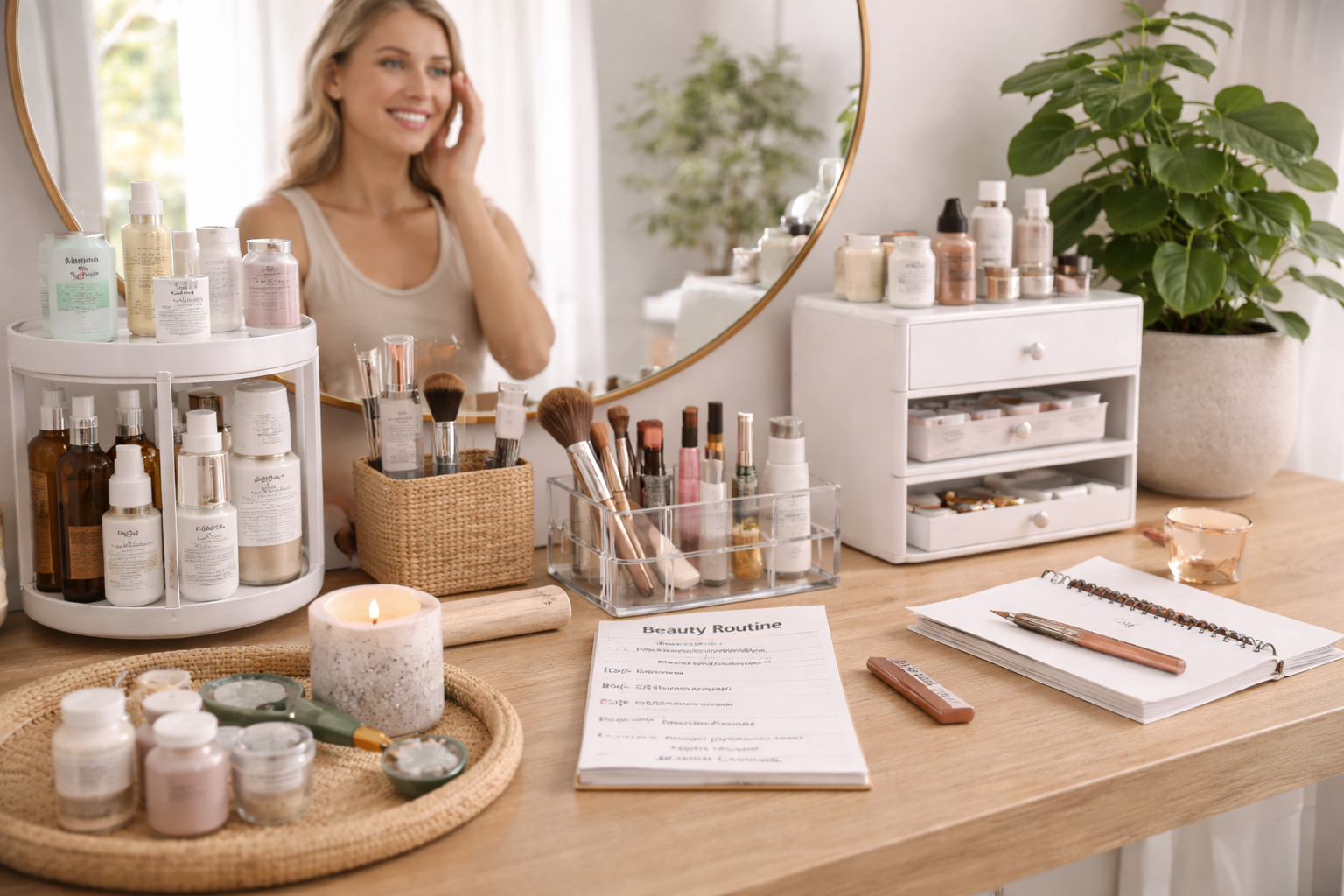
Homes are no longer designed only to look good. They are expected to support daily routines, changing schedules, and long-term comfort without becoming difficult to maintain. This shift has placed home improvements that balance comfort and practicality at the center of modern Home / Kitchen trends. Instead of dramatic renovations or purely aesthetic upgrades, homeowners are prioritizing changes that make everyday life easier, calmer, and more efficient.
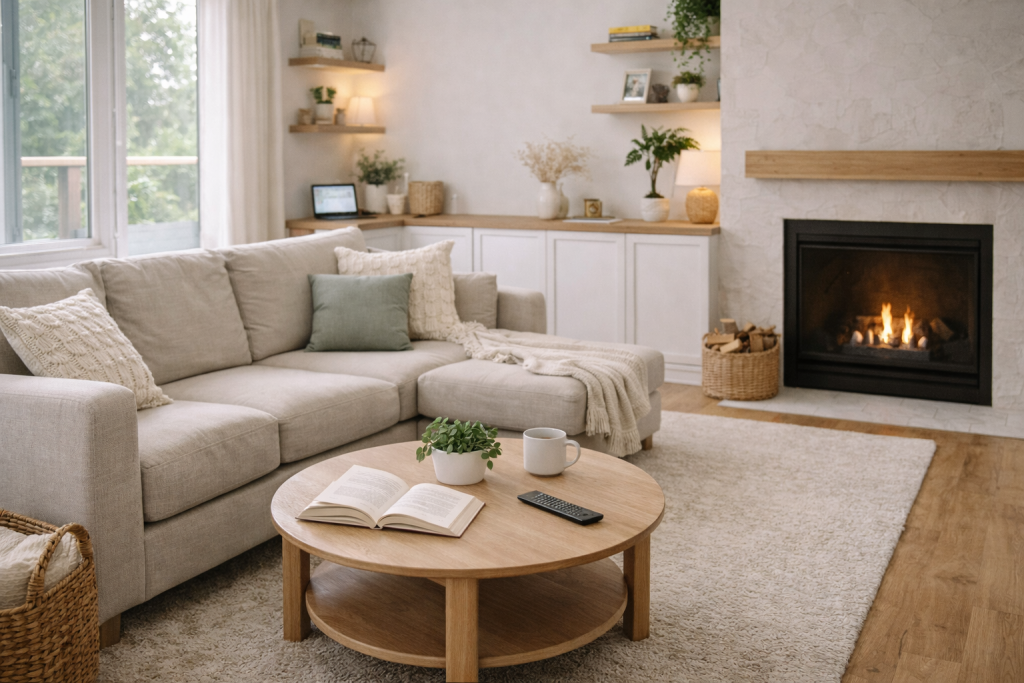
This approach reflects a broader movement toward functional living. Comfort is no longer defined by luxury alone, and practicality is no longer associated with compromise. The most valued home improvements today sit at the intersection of both.
Why Comfort and Practicality Are Converging
For years, home upgrades tended to lean in one of two directions: visual appeal or pure function. Today, these categories are merging due to lifestyle changes and rising awareness of how environments affect well-being.
Several factors are driving this convergence:
- Increased time spent at home
- Hybrid work and flexible routines
- Rising maintenance and energy costs
- Desire for spaces that age well
According to research discussed by Harvard Health Publishing, environments that reduce physical and mental strain contribute to better long-term health outcomes. This has influenced how homeowners define comfort, pushing it closer to usability and ease.
Kitchens Designed for Daily Flow
The kitchen is one of the most important spaces when considering home improvements that balance comfort and practicality. Modern kitchens are less about statement features and more about how smoothly daily tasks unfold.
Layouts That Reduce Effort
Current kitchen upgrades prioritize movement efficiency:
- Clear zones for preparation, cooking, and cleaning
- Short distances between key work areas
- Fewer obstacles and tighter circulation paths
These changes reduce unnecessary steps and make the kitchen feel calmer, especially during busy periods.
Storage That Improves Comfort
Storage design plays a major role in everyday comfort. Practical improvements include:
- Deep drawers instead of lower cabinets
- Pull-out pantry systems for better visibility
- Vertical storage for trays and boards
When storage matches real usage patterns, the kitchen becomes easier to maintain and more pleasant to use.
Materials That Feel Good and Last Longer
Material selection is a major area where comfort and practicality intersect. Homeowners are increasingly choosing finishes that are both tactile and durable.
Popular material choices include:
- Matte surfaces that reduce glare and fingerprints
- Durable flooring that handles moisture and wear
- Easy-to-clean backsplashes and countertops
These materials reduce ongoing maintenance while still contributing to a warm, comfortable atmosphere.
Living Spaces That Support Multiple Uses
Living rooms and open-plan areas are expected to support relaxation, work, and social interaction. Home improvements in these spaces focus on flexibility.
Common upgrades include:
- Modular furniture that adapts to different needs
- Built-in storage that reduces visual clutter
- Lighting that supports both focus and relaxation
These changes allow spaces to shift purpose without constant rearrangement.
Bathrooms Focused on Ease and Longevity
Bathrooms are another key area where home improvements that balance comfort and practicality are gaining attention.
Functional yet comfortable upgrades include:
- Walk-in showers with minimal thresholds
- Storage integrated into walls or vanities
- Lighting that supports visibility without harshness
According to insights from National Institute on Aging, accessible bathroom design supports comfort and safety across different life stages, making these improvements valuable long-term investments.
Lighting as a Comfort Tool
Lighting has moved beyond decoration into the realm of functional comfort. Modern upgrades emphasize layered lighting systems.
Effective lighting improvements include:
- Task lighting in kitchens and work areas
- Soft ambient lighting in living spaces
- Motion-activated lighting in transitional zones
Good lighting reduces eye strain and supports different activities throughout the day, making spaces more comfortable without adding complexity.
Storage Solutions That Reduce Daily Stress
Clutter is one of the biggest barriers to comfort at home. Practical storage improvements aim to reduce visual noise and daily friction.
Examples include:
- Entryway storage that controls clutter at the door
- Closed storage for frequently used items
- Clearly defined zones for shared household items
Research highlighted by American Psychological Association links organized environments with lower stress levels, reinforcing the value of storage-focused improvements.
Energy Efficiency and Everyday Comfort
Energy-efficient upgrades are increasingly framed as comfort improvements rather than cost-saving measures alone.
Comfort-focused efficiency upgrades include:
- Improved insulation for stable indoor temperatures
- Energy-efficient appliances with quieter operation
- Smart thermostats that adapt to daily routines
These upgrades make homes more comfortable while also supporting sustainability goals.
Floors That Support Movement and Warmth
Flooring choices directly affect comfort and practicality. Hard surfaces may look appealing, but comfort-driven improvements prioritize balance.
Trending flooring upgrades include:
- Durable materials with some flexibility underfoot
- Warm finishes that improve perceived comfort
- Area rugs used strategically for softness and sound absorption
These choices support movement and reduce fatigue during daily activities.
Small Improvements With Big Impact
Not all meaningful home improvements require large budgets or renovations. Small, targeted changes often provide the best balance between comfort and practicality.
Examples include:
- Replacing cabinet hardware for better grip
- Adjusting shelf heights to reduce bending
- Improving ventilation in kitchens and bathrooms
- Reorganizing storage based on frequency of use
Each of these upgrades removes friction from everyday tasks.
Designing for Change Over Time
One defining feature of modern home improvements is adaptability. Homeowners are choosing solutions that can evolve as needs change.
Adaptable improvements include:
- Modular storage systems
- Adjustable shelving
- Neutral base designs that allow updates without renovation
This approach prevents homes from becoming outdated or uncomfortable as lifestyles shift.
Why This Trend Is Continuing
The popularity of home improvements that balance comfort and practicality reflects a broader reevaluation of what makes a home successful. Instead of focusing on trends that look good temporarily, homeowners are investing in changes that support daily life consistently.
As time spent at home remains high and expectations continue to rise, this balance is likely to define future renovation priorities.
Conclusion
Home improvements that balance comfort and practicality represent a shift toward homes that truly support the people living in them. By focusing on usability, durability, and calm, these improvements enhance everyday life without adding complexity.
From kitchens designed around movement to materials chosen for longevity, this approach creates homes that feel easier to live in now and adaptable for the future.
References
Harvard Health Publishing. “How Home Environments Affect Well-Being.” https://www.health.harvard.edu
American Psychological Association. “Environment, Stress, and Daily Function.” https://www.apa.org
National Institute on Aging. “Home Design for Comfort and Safety.” https://www.nia.nih.gov