In recent years, the way we live, work, and interact with our environments has been evolving at a rapid pace. Lifestyle trends are reshaping the design of our homes, influencing everything from interior decor to the layout of spaces. As more people seek homes that offer comfort, functionality, and adaptability, home design has become more aligned with personal well-being, sustainability, and modern work-life balance. This article explores the key lifestyle trends that are currently influencing home design and how they’re changing the way we think about our living spaces.
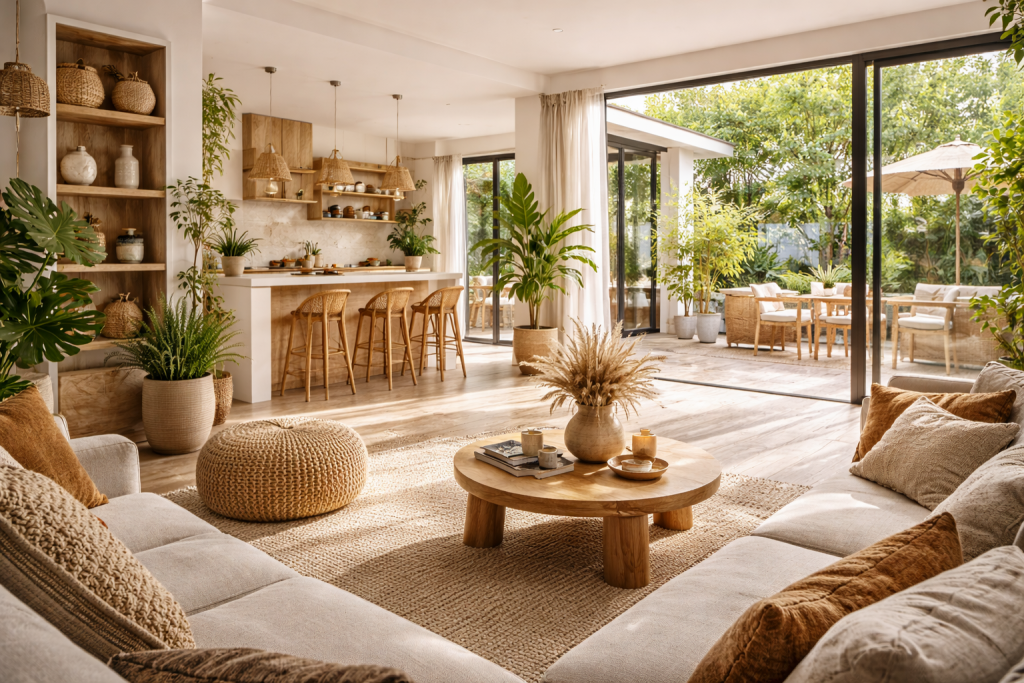
The Changing Role of Home Design
Home design is no longer just about aesthetics. It now focuses on creating spaces that reflect our values, promote well-being, and accommodate our evolving lifestyles. The rise of remote work, a focus on sustainability, and growing attention to mental wellness are reshaping home design to address these shifts in how we live.
These trends are transforming homes into multi-functional spaces. They go beyond just providing a place to sleep; they now include areas to work, exercise, relax, socialize, and even learn. As a result, design choices are becoming more flexible, environmentally conscious, and aligned with the needs of modern life.
Key Lifestyle Trends Shaping Home Design
1. Remote Work and Home Offices
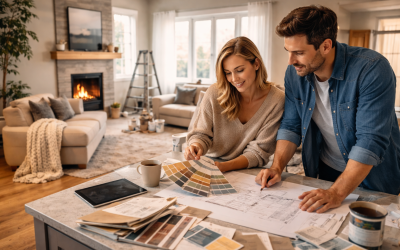
The COVID-19 pandemic significantly changed how people work, leading to a shift toward remote and hybrid work models. This change has prompted many homeowners to rethink their living spaces, especially when creating functional and comfortable home offices.
- Dedicated Workspaces: Many are carving out specific spaces within their homes for work. This could involve converting an unused bedroom or basement into an office or designing a sleek, minimalist workspace in a living room corner.
- Flexible Work Areas: Flexible designs with movable furniture and multi-purpose rooms are growing in popularity. These designs allow spaces to serve as home offices during the day and as relaxation areas in the evening.
- Soundproofing and Privacy: As remote work becomes long-term, privacy and quiet spaces have become crucial. Homeowners are investing in soundproofing, strategic room placement, and creating private office nooks to maintain productivity.
The increased demand for home offices has sparked a boom in home renovations that prioritize efficiency, ergonomics, and productivity.
2. Sustainability and Eco-Friendly Design
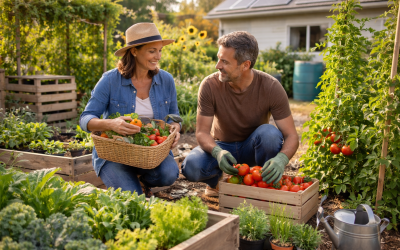
As environmental awareness grows, sustainability is playing an increasingly important role in home design. From energy-efficient features to sustainable materials, homeowners are seeking eco-friendly solutions to reduce their carbon footprints and promote long-term environmental health.
- Energy-Efficient Homes: More homeowners are integrating renewable energy systems like solar panels and wind turbines. Smart home technology also plays a big part in optimizing energy use by controlling heating, cooling, and lighting systems.
- Sustainable Materials: Recycled, reclaimed, and non-toxic materials are becoming popular for everything from flooring to furniture. Bamboo, reclaimed wood, and recycled glass are commonly used to reduce environmental impact.
- Water Conservation: As water scarcity becomes a growing concern, many home designs now incorporate water-saving features, such as low-flow faucets, rainwater collection systems, and drought-resistant landscaping.
These sustainable home design choices not only protect the environment but also lower utility bills and enhance the long-term value of the home.
3. Health and Wellness in Home Design
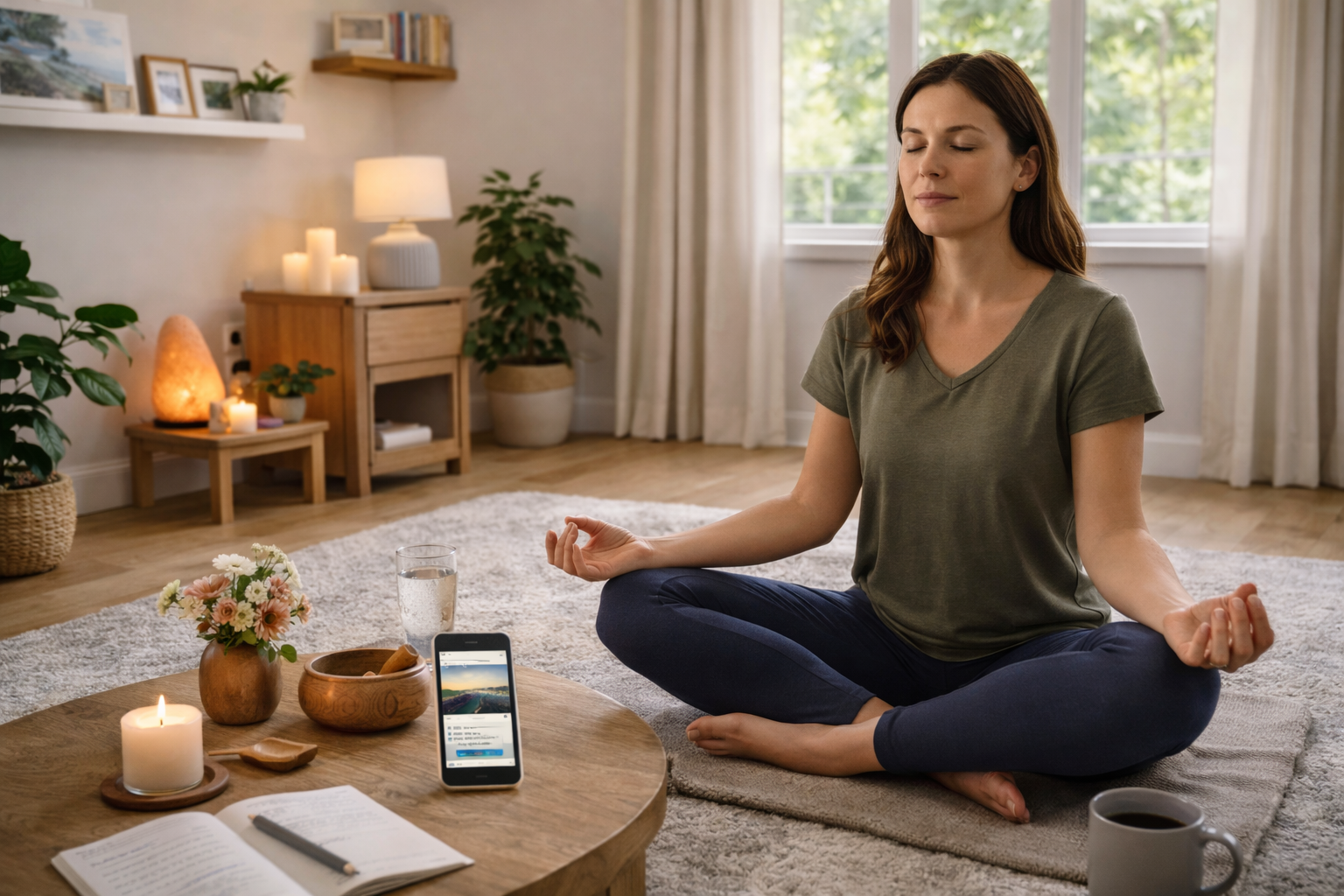
As people become more aware of how their surroundings impact their health, wellness-focused home design trends are gaining traction. Homes are increasingly designed to promote mental, physical, and emotional well-being.
- Natural Light and Ventilation: Maximizing natural light and ensuring proper ventilation have become priorities. Research shows that exposure to natural light boosts mood, energy levels, and productivity, making it essential in modern home design.
- Biophilic Design: Biophilic design connects people with nature by incorporating natural elements like plants, natural materials, and outdoor views. Indoor gardens, living walls, and large windows that open to green spaces are becoming popular features.
- Fitness and Recreation Spaces: The demand for home gyms, yoga rooms, and fitness areas is rising. This trend reflects a broader cultural shift toward physical health, with more people looking to create homes that support an active lifestyle.
By integrating health-conscious design principles, homes not only provide shelter but also enhance overall well-being and quality of life.
4. Smart Home Technology
The rise of smart home technology is one of the most significant trends in modern home design. With advancements in AI and the Internet of Things (IoT), homes are becoming more connected, intelligent, and responsive to the needs of their occupants.
- Home Automation: Smart thermostats, security cameras, and lighting systems allow homeowners to control their environment with a button or voice command. These systems can adjust the temperature, turn off lights, and even lock doors automatically, offering convenience and efficiency.
- Health Monitoring: Smart technology is also integrated into wellness practices, with air purifiers, sleep systems, and water quality monitors helping homeowners maintain a healthy living environment.
- Entertainment Systems: Home theaters, voice-activated entertainment systems, and multi-room audio setups are becoming standard in homes that cater to modern entertainment needs.
As smart home devices become more affordable and accessible, they are increasingly incorporated into home design, making spaces both functional and responsive.
5. Multifunctional Spaces
As the need for adaptable living spaces grows, many homeowners are opting for multifunctional rooms. These spaces can easily shift between different uses depending on the time of day, family needs, or lifestyle changes.
- Convertible Furniture: Murphy beds, fold-out desks, and modular furniture allow easy transitions between functions. For instance, a guest bedroom can double as an office, or a playroom can transform into a study area.
- Flexible Room Layouts: Homeowners are designing rooms that can be divided or opened based on need. Sliding doors, movable partitions, and open-plan layouts all contribute to the flexibility of these spaces.
The demand for multifunctional spaces reflects the growing need for homes that can adapt to various uses, whether for work, family life, or entertainment.
Conclusion
Lifestyle trends are shaping home design in exciting ways. From remote work and sustainability to health and wellness, today’s homes are being designed to reflect how we live, work, and prioritize well-being. These trends focus on creating environments that support a higher quality of life, promote productivity, and contribute to a healthier planet. As these trends evolve, home design will become even more tailored to the needs and desires of modern life.
References
- “Home Design Trends for the Future” – Architectural Digest: https://www.architecturaldigest.com
- “Sustainability in Home Design” – Green Building Council: https://www.usgbc.org
- “Biophilic Design: Bringing Nature Inside” – The Biophilic Design Initiative: https://www.biophilicdesign.net
- “Smart Homes and Technology Integration” – Consumer Electronics Association: https://www.ce.org