As climate concerns intensify and food systems face growing pressure, more households are turning to local solutions. Among the most notable shifts are home gardening trends supporting sustainability, which reflect a broader desire for self-sufficiency, environmental responsibility, and healthier lifestyles. What was once considered a hobby has increasingly become a practical response to rising food costs, supply chain disruptions, and ecological awareness.
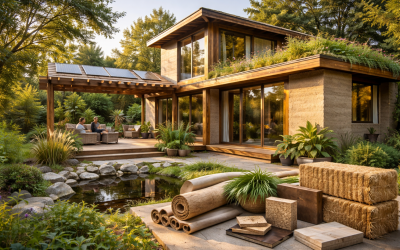
Home gardening today is no longer limited to backyard vegetable patches. It includes balcony container systems, vertical gardens, composting initiatives, rainwater harvesting, native plant landscaping, and regenerative soil practices. These approaches align personal habits with larger sustainability goals. As more households adopt environmentally conscious behaviors, home gardens are becoming micro-ecosystems that contribute to biodiversity, waste reduction, and resource efficiency.
Understanding the most important home gardening trends supporting sustainability offers insight into how individual choices can collectively influence environmental outcomes.
The Rise of Edible Gardening
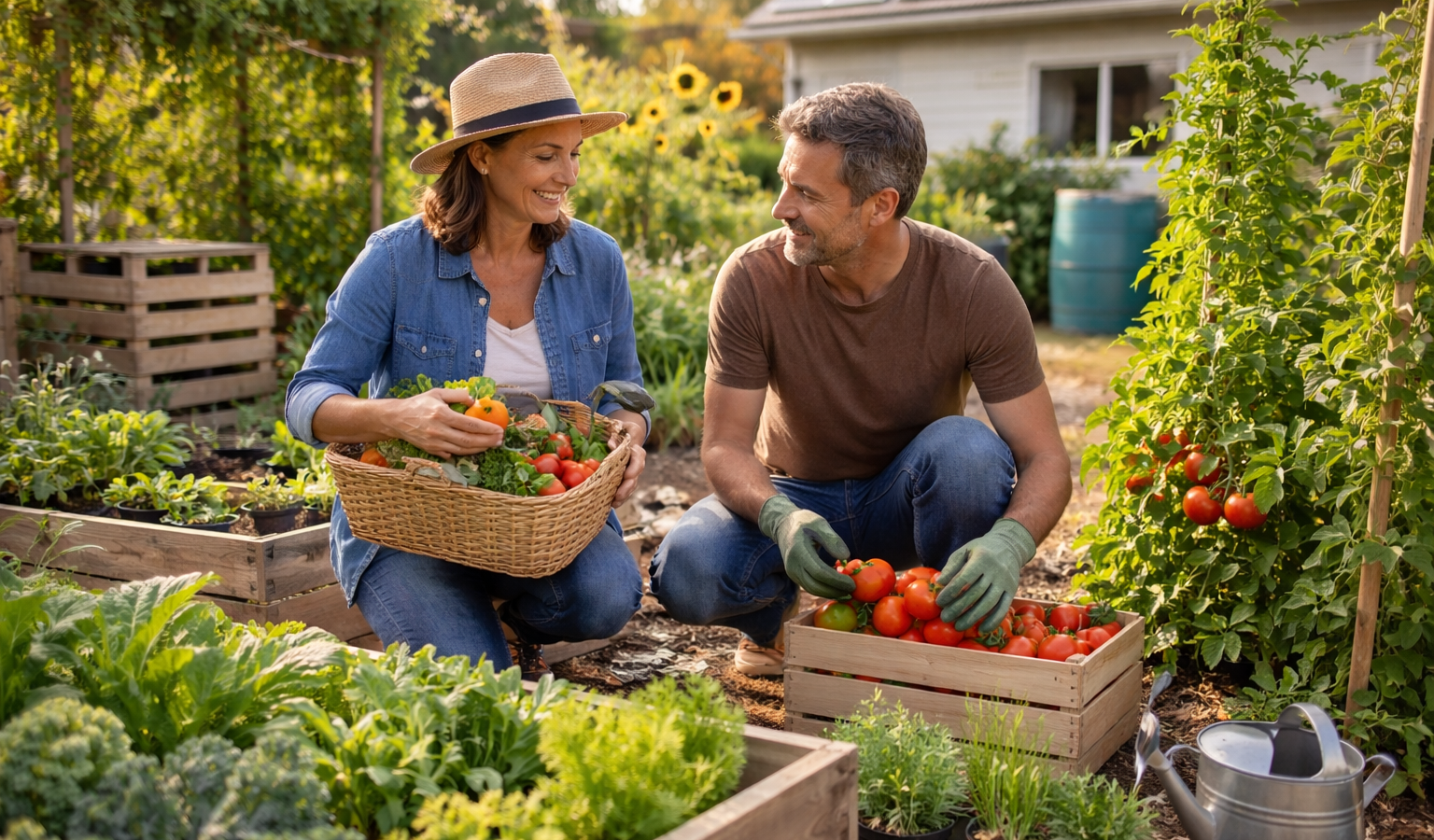
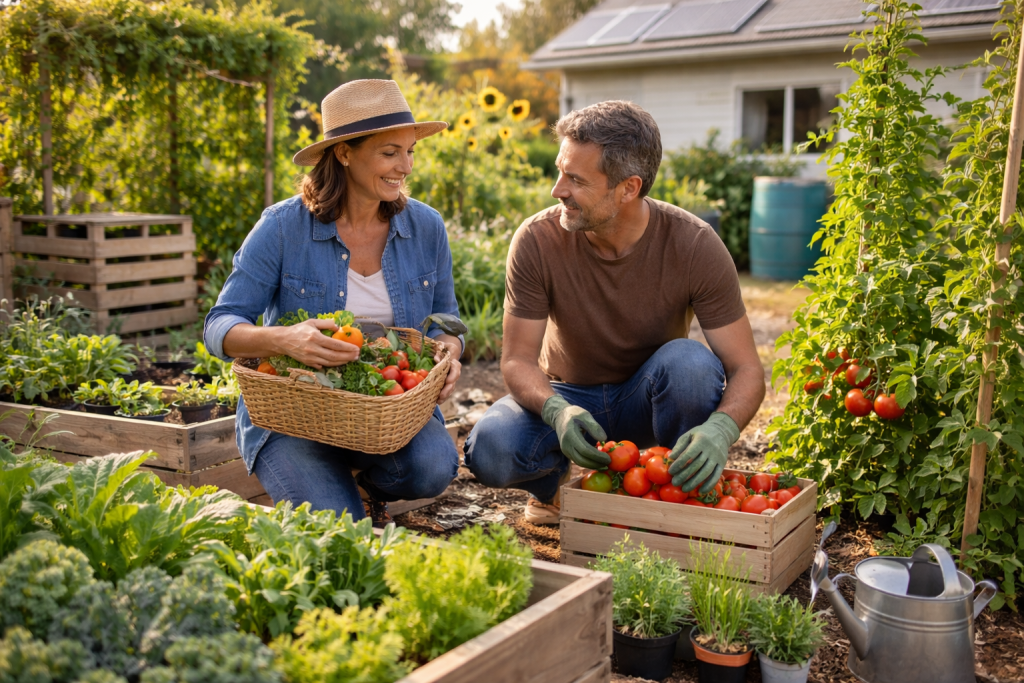
One of the strongest home gardening trends supporting sustainability is the resurgence of edible gardening. Households are increasingly growing vegetables, herbs, fruits, and even grains in home spaces.
Rising grocery prices and concerns about food quality have motivated many families to cultivate their own produce. Growing food locally reduces transportation emissions associated with industrial agriculture. It also decreases reliance on packaging, particularly plastic.
According to the Food and Agriculture Organization of the United Nations, localized food production can improve food resilience and reduce environmental strain when practiced responsibly. Small-scale home gardens, while modest in output, contribute to broader decentralization of food systems.
In addition, edible gardening supports seasonal awareness. Home gardeners often adapt planting schedules to local climate conditions, reducing dependence on imported produce grown out of season.
Composting and Waste Reduction
Another major component of home gardening trends supporting sustainability is composting. Food scraps and yard waste that would otherwise enter landfills can be transformed into nutrient-rich soil amendments.
Organic waste in landfills produces methane, a potent greenhouse gas. Composting reduces this environmental impact while improving soil health. The U.S. Environmental Protection Agency highlights composting as a key strategy for waste diversion and soil enrichment.
Home compost systems range from simple backyard bins to compact indoor worm composting units suitable for apartments. By closing the nutrient loop, composting supports circular resource use within households.
Furthermore, compost-enhanced soil retains moisture more effectively, reducing water demand in gardens.
Native Plants and Biodiversity
Plant selection is evolving. Instead of prioritizing ornamental species that require intensive watering and fertilizers, many gardeners are choosing native plants adapted to local climates.
Native plants require less irrigation and chemical input because they evolved within regional ecosystems. This makes them central to home gardening trends supporting sustainability.
The National Wildlife Federation notes that native gardens support pollinators such as bees and butterflies, which are essential for ecosystem balance. Pollinator-friendly gardens increase biodiversity and contribute to food production at a broader scale.
Additionally, native landscaping reduces lawn maintenance. Traditional lawns often require significant water, fertilizers, and mowing. Replacing sections of turf with native species lowers environmental impact while enhancing habitat diversity.
Water Conservation Techniques
Water scarcity is a growing concern in many regions. As a result, sustainable home gardening increasingly emphasizes water efficiency.
Rainwater harvesting systems collect runoff from rooftops for irrigation use. Drip irrigation systems deliver water directly to plant roots, minimizing evaporation. Mulching techniques also help retain soil moisture.
The World Resources Institute has identified efficient irrigation and water reuse as critical elements of climate adaptation strategies. By integrating these methods, home gardeners contribute to local water conservation efforts.
Drought-tolerant plant varieties further support reduced water consumption. Gardeners are selecting species that thrive under lower irrigation levels, aligning landscaping choices with climate realities.
Urban and Vertical Gardening
Space constraints in cities have encouraged innovation. Balcony planters, rooftop gardens, hydroponic systems, and vertical growing structures are gaining popularity.
Urban gardening demonstrates how home gardening trends supporting sustainability can thrive even without traditional backyard space. Vertical systems maximize yield per square meter, making them ideal for apartments and compact homes.
Hydroponic and aquaponic methods allow soil-free cultivation while using water efficiently. Although these systems require initial investment, they reduce long-term resource consumption when managed carefully.
Urban agriculture initiatives often extend beyond individual households. Community gardens provide shared access to green space, promoting both sustainability and social cohesion.
Soil Health and Regenerative Practices
Soil health is central to sustainable gardening. Conventional gardening practices sometimes rely on synthetic fertilizers that degrade long-term soil structure.
Regenerative gardening emphasizes composting, cover cropping, crop rotation, and minimal soil disturbance. These methods improve soil biodiversity and carbon sequestration.
According to research from the Rodale Institute, regenerative agricultural techniques can enhance soil resilience and contribute to climate mitigation through improved carbon storage. While home gardens operate on smaller scales, similar principles apply.
Healthy soil retains nutrients and water more effectively, reducing external input requirements.
Seed Saving and Heirloom Varieties
Another emerging trend involves seed saving and the cultivation of heirloom plant varieties. Seed saving reduces reliance on commercial seed production and preserves genetic diversity.
Heirloom varieties often adapt well to specific regional climates and offer greater resilience against pests or disease. By maintaining diverse seed stocks, home gardeners support long-term agricultural sustainability.
The preservation of genetic diversity is essential for food security. As climate conditions shift, adaptable plant varieties become increasingly valuable.
Reduced Chemical Inputs
Pesticide and herbicide use is declining among sustainability-focused gardeners. Integrated pest management techniques rely on natural predators, companion planting, and physical barriers rather than chemical solutions.
For example, planting marigolds alongside vegetables can deter certain pests. Encouraging beneficial insects such as ladybugs supports natural pest control cycles.
Reduced chemical use improves soil health and protects pollinators. It also enhances food safety for households consuming homegrown produce.
Technology and Smart Gardening
Technology is also influencing home gardening trends supporting sustainability. Smart irrigation systems monitor soil moisture and weather forecasts to optimize watering schedules.
Mobile applications provide planting guidance, pest identification tools, and seasonal reminders. These digital tools make sustainable practices more accessible, particularly for new gardeners.
Additionally, sensors can monitor nutrient levels and sunlight exposure, allowing precise adjustments. When used responsibly, technology enhances efficiency and reduces resource waste.
Social and Economic Benefits
Beyond environmental advantages, home gardening supports economic resilience. Growing produce reduces grocery expenses and buffers households against food price volatility.
Community-based gardening initiatives foster local cooperation and knowledge sharing. In urban areas, community gardens often serve as educational spaces where sustainability practices are demonstrated and shared.
Gardening also offers mental health benefits. Exposure to green spaces has been associated with reduced stress and improved emotional well-being, according to research published by environmental health organizations.
These social and economic benefits reinforce the long-term viability of home gardening trends supporting sustainability.
Challenges and Considerations
Despite growing interest, sustainable home gardening requires education and consistency. Beginners may encounter challenges such as soil management errors, pest infestations, or climate-related setbacks.
Access to space and initial setup costs may also limit participation. Raised beds, irrigation systems, and compost bins involve upfront investment. However, long-term savings often offset these costs.
Additionally, gardeners must balance productivity with ecological responsibility. Overuse of water or imported soil amendments can undermine sustainability goals.
Education, community workshops, and online resources help address these barriers.
Conclusion
Home gardening trends supporting sustainability represent more than a lifestyle choice. They reflect a shift toward localized resilience, ecological responsibility, and mindful consumption. From composting and water conservation to native plant cultivation and regenerative soil practices, households are transforming small spaces into environmentally supportive ecosystems.
As climate challenges intensify and global supply chains remain vulnerable, home gardening offers practical contributions to sustainability at the individual level. While no single garden can solve systemic environmental issues, collective action across communities can create measurable impact.
By aligning daily habits with environmental principles, home gardeners strengthen food security, reduce waste, conserve water, and enhance biodiversity. These practices demonstrate how sustainability can begin at home—literally.
References
Food and Agriculture Organization of the United Nations – Sustainable Food Systems: https://www.fao.org
U.S. Environmental Protection Agency – Composting Basics: https://www.epa.gov
National Wildlife Federation – Native Plant Benefits: https://www.nwf.org
World Resources Institute – Water and Climate Research: https://www.wri.org