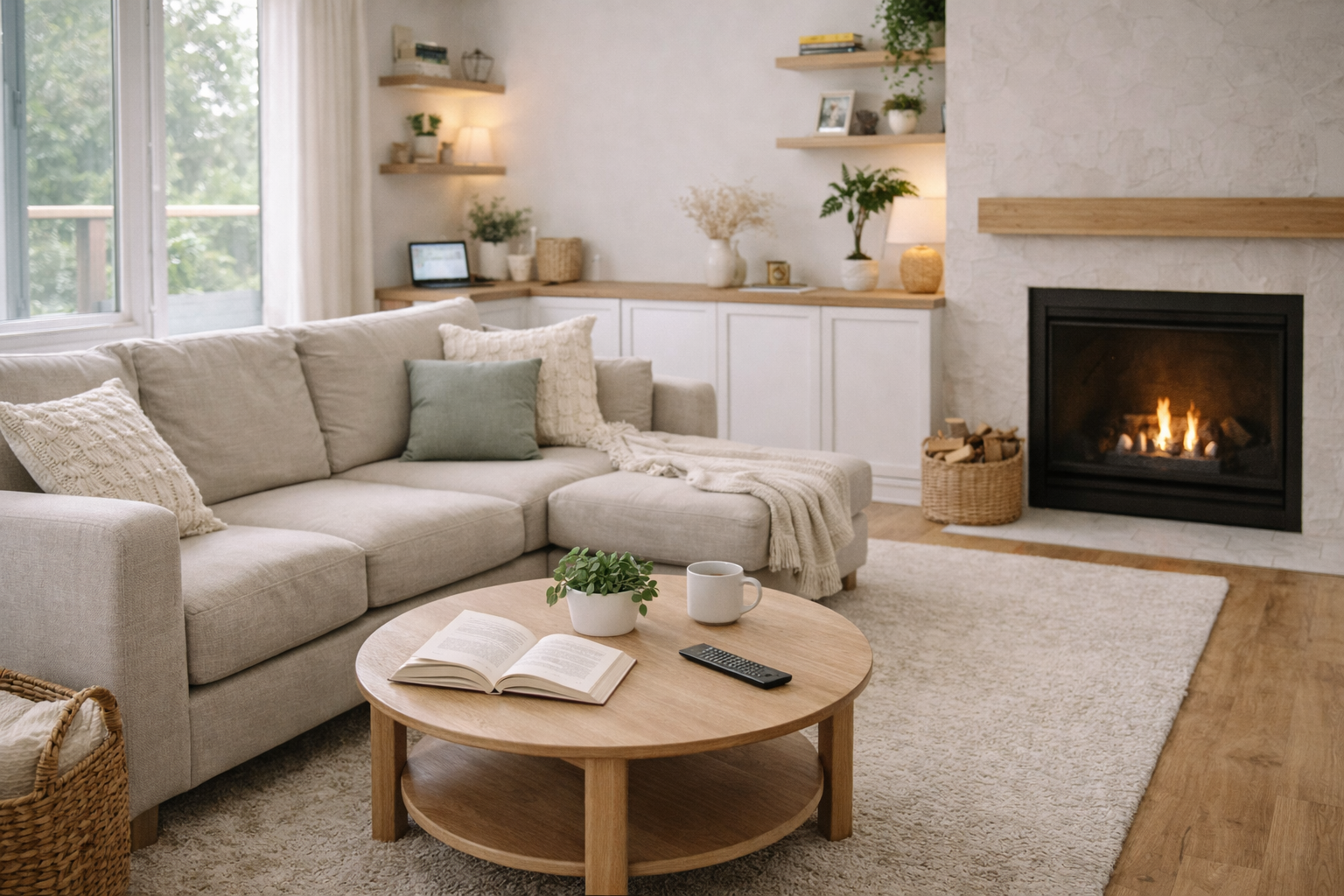
In 2026, home renovation trends focused on longevity are reshaping how homeowners approach upgrades and remodeling projects. Instead of prioritizing short-term aesthetics or fast resale value, many property owners are thinking decades ahead. Durability, adaptability, energy efficiency, and aging-in-place design are becoming central considerations in renovation planning.
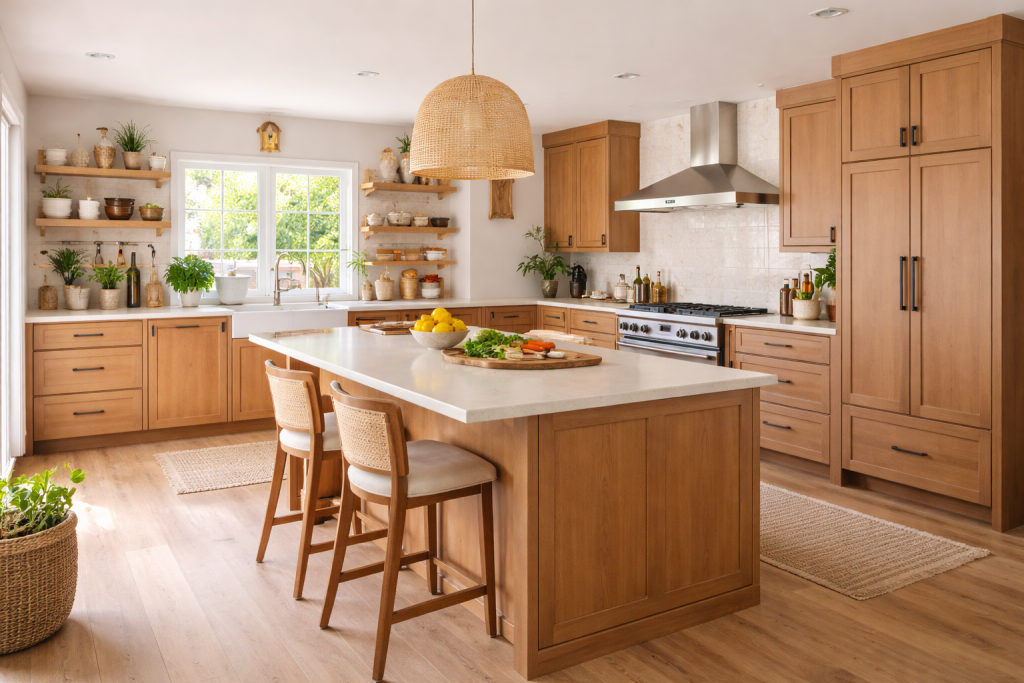
This shift reflects broader economic and demographic changes. Homeowners are staying in their properties longer, construction costs remain elevated, and sustainability goals are influencing material choices. According to the Harvard Joint Center for Housing Studies, spending on home improvements has remained historically strong, with a growing emphasis on projects that enhance resilience and long-term performance.1
Rather than asking, “What’s trending this year?” homeowners are asking, “Will this still serve me well in 15 or 20 years?” This article explores the most significant home renovation trends focused on longevity and how they’re influencing modern home design.
Why Longevity Is Driving Renovation Decisions
Several factors are accelerating demand for durable, future-proof upgrades.
Aging Population and Aging-in-Place
The U.S. Census Bureau projects that by 2034, adults aged 65 and older will outnumber children under 18 for the first time in U.S. history.2 As more homeowners plan to age in place, renovations increasingly prioritize accessibility and safety.
Rising Construction and Material Costs
Frequent remodeling cycles are expensive. Investing in high-quality materials upfront can reduce maintenance and replacement costs over time.
Climate and Environmental Concerns
Extreme weather events are increasing in frequency. The National Oceanic and Atmospheric Administration (NOAA) reports a steady rise in billion-dollar weather disasters over the past decade.3 Homeowners are responding by investing in resilient construction and climate-adaptive upgrades.
Long-Term Property Value
Buyers are becoming more informed about structural quality, energy efficiency, and sustainability. Renovations that improve long-term performance often translate into stronger resale value.
Durable Materials Taking Center Stage
One of the most visible home renovation trends focused on longevity is the shift toward resilient materials.
Engineered Wood and Composite Decking
Traditional wood decks require frequent sealing and maintenance. Composite decking, made from recycled materials and polymers, resists rot, fading, and insect damage.
Benefits include:
- Lower long-term maintenance costs
- Improved weather resistance
- Extended lifespan compared to untreated wood
Porcelain and Natural Stone Surfaces
Porcelain slabs and natural stone countertops are valued for their durability and resistance to staining and heat. Unlike some synthetic alternatives, high-quality stone can last decades with proper care.
Metal Roofing
Metal roofs, once associated mainly with industrial buildings, are gaining popularity in residential renovations. They can last 40-70 years and offer improved resistance to fire and extreme weather.
Fiber Cement Siding
Fiber cement siding resists moisture, termites, and fire. While installation costs can be higher than vinyl, its lifespan and reduced maintenance requirements make it appealing for long-term homeowners.
Aging-in-Place Design Features
Accessibility improvements are no longer limited to medical-style adaptations. Today’s aging-in-place upgrades are subtle, integrated, and design-forward.
Zero-Threshold Showers
Walk-in showers without raised edges reduce tripping hazards and improve accessibility. When combined with slip-resistant flooring, they provide both safety and visual continuity.
Wider Doorways and Hallways
Incorporating wider passages accommodates mobility devices if needed later, without compromising aesthetics.
Lever-Style Handles
Replacing traditional knobs with lever handles improves ease of use and reduces strain on joints.
Smart Lighting Systems
Motion-sensor lighting and adjustable brightness improve safety and convenience for residents of all ages.
The National Association of Home Builders notes that universal design principles are increasingly integrated into mainstream renovations rather than reserved for specialized projects.4
Energy Efficiency as a Long-Term Investment
Energy-efficient upgrades are foundational to home renovation trends focused on longevity.
High-Performance Windows
Double- or triple-pane windows with low-emissivity (Low-E) coatings improve insulation and reduce heating and cooling costs.
Improved Insulation
Upgrading insulation in attics and walls enhances thermal stability and reduces energy consumption.
Heat Pump Systems
Modern heat pumps provide efficient heating and cooling while reducing reliance on fossil fuels.
Solar Integration
Solar panels and battery storage systems offer long-term energy savings and resilience during power outages.
According to the U.S. Department of Energy, energy-efficient home improvements can significantly lower utility costs while increasing property value.5
Resilience Against Climate Risks
Climate adaptation is influencing renovation priorities.
Flood-Resistant Materials
In flood-prone areas, homeowners are choosing materials such as tile flooring and water-resistant drywall to minimize damage.
Fire-Resistant Landscaping
In wildfire-prone regions, defensible landscaping and fire-resistant roofing materials are becoming common upgrades.
Storm-Impact Windows
Impact-resistant windows protect against debris and extreme weather events.
These improvements reflect a shift toward designing homes that can withstand environmental stressors rather than requiring frequent repairs.
Flexible and Adaptable Spaces
Longevity also means adaptability. Homes must accommodate changing needs over time.
Multi-Functional Rooms
Home offices that can convert into guest rooms or hobby spaces increase usability.
Modular Furniture and Storage
Built-in storage systems reduce clutter and improve organization without sacrificing flexibility.
Accessory Dwelling Units (ADUs)
In some regions, homeowners are adding small secondary units for rental income, caregiving, or multi-generational living.
Adaptable spaces reduce the need for future renovations.
Low-Maintenance Landscaping
Outdoor spaces are also evolving.
Native Plant Landscaping
Native plants require less water and maintenance, supporting sustainability goals.
Permeable Pavers
Permeable paving systems improve drainage and reduce runoff.
Durable Outdoor Materials
Concrete, stone, and composite materials withstand weather fluctuations better than untreated wood.
Outdoor longevity supports both aesthetic appeal and environmental resilience.
Smart Home Technology for Long-Term Use
Technology integration is becoming standard in longevity-focused renovations.
Smart Thermostats
These systems optimize energy use and reduce costs over time.
Leak Detection Systems
Early leak detection prevents water damage and expensive repairs.
Home Monitoring Systems
Security and monitoring technologies add value and enhance peace of mind.
Importantly, homeowners are prioritizing systems with upgradable software to avoid rapid obsolescence.
Financial Considerations
While durable materials and advanced systems can require higher upfront investment, the long-term return often justifies the cost.
Homeowners evaluating projects should consider:
- Lifespan of materials
- Maintenance requirements
- Energy savings projections
- Insurance implications
- Potential resale value impact
Renovations that reduce long-term expenses often outperform cosmetic upgrades.
Common Pitfalls to Avoid
Not all renovations support longevity.
- Over-customizing in ways that limit resale appeal
- Choosing trendy finishes with limited durability
- Ignoring structural issues in favor of surface updates
- Installing technology that cannot be updated
Prioritizing foundational improvements-roofing, insulation, plumbing, and electrical systems-typically provides greater long-term value.
The Future of Longevity-Focused Renovation
Looking ahead, innovation in materials science and sustainable design will continue shaping home renovation trends focused on longevity.
Expected developments include:
- Carbon-neutral building materials
- Advanced insulation technologies
- Water recycling systems
- AI-driven home performance monitoring
As housing markets evolve, durability and adaptability will likely remain core priorities.
Conclusion
The rise of home renovation trends focused on longevity reflects a shift toward thoughtful, future-oriented homeownership. Rather than chasing short-term visual trends, homeowners are investing in durable materials, energy efficiency, accessibility, and resilience.
This approach not only enhances daily comfort but also strengthens property value and sustainability over time. As economic and environmental conditions continue to evolve, designing homes that endure will remain central to responsible renovation planning.
References
Harvard Joint Center for Housing Studies – Remodeling Market Report: https://www.jchs.harvard.edu
U.S. Census Bureau – Aging Population Projections: https://www.census.gov/library/stories/2018/03/graying-america.html
National Oceanic and Atmospheric Administration – Billion-Dollar Weather Disasters: https://www.ncei.noaa.gov/access/billions/
National Association of Home Builders – Aging-in-Place Design Trends: https://www.nahb.org
U.S. Department of Energy – Energy Saver Guide: https://www.energy.gov/energysaver