In 2026, downtown districts across North America, Europe, Asia, and beyond are experiencing a resurgence-not as vacant office zones or relics of pre-pandemic commuting patterns, but as vibrant, mixed-use hubs fueled by community development projects revitalizing downtown areas. Cities that once struggled with retail vacancies, commuter flight, and aging infrastructure are now reinventing central districts to support living, working, culture, and inclusive public life. This shift reflects deeper societal changes in how people value community, mobility, and shared experiences.
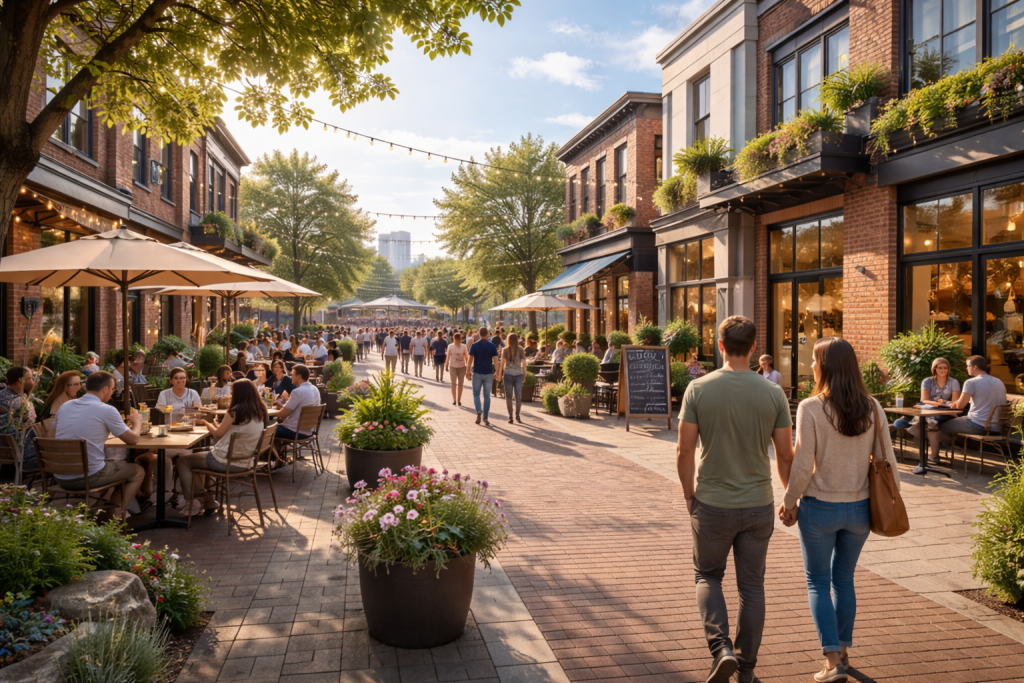
Community development projects focused on downtown revitalization are no longer peripheral undertakings. They are now strategic priorities tied to economic recovery, urban resilience, placemaking, and equity. Local governments, private developers, community groups, and philanthropic organizations are collaborating to transform underutilized spaces into places that attract residents, visitors, and investors alike. Whether it’s turning surface parking into parks or repurposing historic buildings into affordable housing and coworking spaces, these projects are changing the face-and function-of downtown areas.
This article examines why downtown revitalization is gaining momentum, the types of community development projects leading the way, the benefits and challenges of revitalization, and what to expect in the years ahead.
Why Downtown Revitalization Is a Priority in 2026
Several interconnected trends are driving renewed interest in downtown areas:
- Hybrid Work Models: With hybrid and remote work reducing daily commuter traffic, cities are repurposing office space into housing, innovation hubs, and cultural venues.
- Demographic Shifts: Younger generations and older adults alike are seeking walkable, amenity-rich urban environments.
- Economic Diversification: Small businesses, creative industries, and local startups thrive in downtown ecosystems with accessible infrastructure.
- Public Health and Well-Being: Pedestrian-oriented streets, green spaces, and community gathering places support physical and mental well-being.
- Equity and Inclusion: Revitalization projects increasingly include affordable housing and community services to ensure broad access.
According to the Urban Land Institute, investment in downtown redevelopment has been steadily rising, with cities prioritizing projects that build mixed-use environments and attract diverse economic activity.
Core Community Development Approaches Powering Revitalization
Revitalization isn’t a single strategy but a portfolio of complementary approaches that work together to reactivate downtowns. These community development projects touch on land use, public space design, housing strategy, transportation infrastructure, arts and culture, and economic support systems.
Mixed-Use Development and Housing Diversity
One central approach involves converting or building properties that blend residential, commercial, and cultural uses.
Mid-sized and large cities alike are transforming:
- Vacant office buildings into apartments and condominiums
- Underutilized retail blocks into live-work spaces
- Historic structures into boutique hotels, studios, and galleries
Mixed-use environments create “24/7” districts where people live, work, eat, shop, and socialize in close proximity. This contrasts with single-use downtown zones dominated by offices that were quiet after 6 p.m. and on weekends.
By prioritizing housing diversity-market-rate, workforce, and affordable units-community development projects reduce displacement risks while attracting new residents to the city core.
Tactical Urbanism and Temporary Activation
Before long-term projects are completed, cities often use tactical urbanism strategies to quickly transform public spaces and test ideas. These “quick, cheap, and creative” interventions include:
- Pop-up parks and plazas
- Temporary outdoor seating and dining zones
- Sidewalk expansions
- Street murals and art installations
- Seasonal pedestrian events
Community development professionals use tactical interventions to build momentum, gather feedback, and attract investment. These projects also make downtown areas feel lively and welcoming while more permanent investments are planned.
Public Realm Improvements
Improving the public realm-the shared spaces between buildings-is a cornerstone of downtown revitalization.
Projects often focus on:
- Enhancing sidewalks and crosswalks
- Installing street trees and green infrastructure
- Creating public plazas and gathering spaces
- Implementing public art programs
- Enhancing lighting and street furniture
Improved public spaces increase safety, foster social interaction, and support local commerce. When people feel comfortable walking and lingering, downtowns become more vibrant.
Mobility and Transportation Integration
Downtown revitalization projects increasingly prioritize multi-modal transportation access.
Key initiatives include:
- Bus rapid transit (BRT) corridors
- Light rail and tram extensions
- Protected bike lanes
- Pedestrian-only streets
- Scooter and bike share programs
By reducing reliance on cars and improving alternative transit options, cities make downtowns more accessible and environmentally sustainable. These infrastructure investments also support retail and service businesses by increasing foot traffic.
Cultural Anchors and Creative Districts
Arts and culture play a central role in reimagining downtown spaces. Cultural institutions-museums, theaters, galleries, performance venues-act as “anchors” that attract visitors and support ancillary businesses like restaurants, bookstores, and cafés.
Creative districts often feature:
- Artist workspaces
- Public plazas designed for performances
- Murals and public art
- Cultural festivals and markets
These projects recognize that culture strengthens social identity and economic vitality. A downtown with a strong creative footprint draws both locals and cultural tourists.
Small Business Support and Local Economic Development
Community development projects frequently include economic support for local businesses-especially independent owners who embody neighborhood character.
Initiatives may involve:
- Façade improvement grants
- Low-interest loans
- Business incubators
- Marketing and co-op programs
- Shared commercial kitchens
By helping small business owners thrive, cities ensure that downtown revitalization benefits residents and fosters economic diversity.
Case Studies: Downtown Renewal in Action
Greenville, South Carolina
Greenville has revitalized its downtown through coordinated public and private investment. Formerly dominated by underused industrial sites, the city has focused on:
- Pedestrian-friendly Main Street enhancements
- Rehabilitating historic buildings
- Creating Reedy River Greenway
- Supporting local dining and retail growth
The result is a walkable downtown that blends contemporary amenities with historic charm.
Hamilton, Ontario
Hamilton was once known primarily as an industrial center. In recent years, community development projects have transformed its downtown through:
- Arts and cultural district promotion
- Adaptive reuse of heritage buildings
- Enhanced pedestrian and cycling infrastructure
- Business support programs
Hamilton’s downtown now attracts a mix of artists, entrepreneurs, and families drawn to its evolving urban fabric.
Lisbon, Portugal
Lisbon illustrates how preservation-led revitalization can ignite downtown life. Investments in:
- Historic neighborhood restoration
- Boutique accommodations
- Creative economy initiatives
- Transit expansion
have attracted tourism and long-term residents while retaining local identity. Lisbon’s approach combines heritage preservation with modern revitalization.
Economic and Social Benefits
Community development projects revitalizing downtown areas deliver a wide range of benefits:
Increased Economic Activity
Revitalized downtowns generate:
- Higher property values
- Increased sales tax revenue
- Business creation and growth
- Attraction of remote workers and visitors
These economic benefits can support sustainable municipal budgets.
Job Creation and Talent Retention
Downtown revitalization helps retain and attract talent across age groups. Younger professionals often seek walkable urban environments with cultural amenities and active lifestyles. At the same time, local workforce training and entrepreneurship programs connected to downtown projects provide pathways to employment.
Community Cohesion and Identity
Public spaces and cultural programming foster connection among residents, strengthening civic pride and community identity.
When downtown areas become inclusive gathering places, social capital increases.
Environmental Sustainability
Many revitalization initiatives reduce environmental footprints by:
- Encouraging transit and active mobility
- Supporting mixed-use development that reduces vehicle dependency
- Incorporating green infrastructure
- Enhancing urban tree canopies
Downtowns that prioritize sustainability help cities meet climate action goals.
Challenges and Risks
Despite the positive momentum, revitalization efforts face challenges:
Gentrification and Displacement
As downtown areas improve and property values rise, low-income residents and small businesses may be priced out. Ensuring housing affordability and cultural preservation is a central concern in equitable revitalization.
Funding and Long-Term Maintenance
Securing capital for major infrastructure projects-and ensuring long-term maintenance-requires coordination among multiple stakeholders. Grants, bonds, and public-private partnerships are common tools, but they must balance public benefit with financial sustainability.
Balancing Historic Preservation and Development
Preserving historical character while introducing modern infrastructure can be delicate. Careful design standards and community engagement help ensure that revitalization respects heritage.
Policy and Planning Principles
Successful revitalization programs often follow key planning principles:
- Community Engagement: Ensuring residents and business owners participate in decision-making.
- Data-Driven Strategy: Using demographic, economic, and mobility data to guide investments.
- Incremental Implementation: Phasing projects to build momentum and manage risk.
- Inclusive Design: Creating spaces accessible to people of all ages, incomes, and abilities.
- Integrated Mobility: Connecting downtowns to broader regional transit networks.
These principles help projects avoid unintended consequences and create inclusive outcomes.
The Role of Technology in Downtown Revitalization
Technology supports revitalization in several ways:
- Digital wayfinding and visitor apps
- Real-time transit and parking information
- Smart lighting and environmental sensors
- Virtual placemaking and community feedback platforms
- E-commerce support for local businesses
By integrating technology with physical infrastructure, downtowns can enhance convenience, safety, and engagement.
How Residents and Businesses Can Participate
Local participation is essential for long-term success:
- Residents can contribute ideas through planning meetings and surveys.
- Business owners can join chambers of commerce and co-op marketing efforts.
- Community groups can lead placemaking events.
- Property owners can invest in façade improvements.
Active participation ensures revitalization reflects local values and needs.
What’s Next for Downtown Revitalization
Looking ahead, several trends are shaping future projects:
- Workplace Transformation: Office conversions into labs, studios, and housing.
- Green and Health-Centric Public Spaces: Designs that support wellness and ecological functions.
- Equity-Centered Investment: Tools to prevent displacement and promote affordable options.
- Cultural and Creative Economy Growth: Support for artists, makers, and storytellers.
- Climate Resilience Infrastructure: Flood mitigation, heat reduction, and sustainable materials.
These trends suggest that downtown revitalization will continue evolving as a multifaceted, socially responsive process.
Final Thoughts
Community development projects revitalizing downtown areas demonstrate that cities can adapt to changing economic, social, and environmental conditions. By combining thoughtful planning, strategic investment, community voice, and a commitment to inclusive growth, downtowns can become vibrant – not just busy – places where people live, work, socialize, and create value together.
Successful revitalization reflects more than new buildings or aesthetic improvements. It reflects a shared vision for connection, opportunity, and resilience.
References
Urban Land Institute – Downtown Revitalization and Mixed-Use Development
https://uli.org/research/
United Nations World Tourism Organization – Urban Tourism and Economic Development
https://www.unwto.org/urban-tourism
Pew Research Center – Trends in Urban Living and Migration
https://www.pewresearch.org
National League of Cities – Placemaking and Community Development Strategies
https://www.nlc.org/placemaking
International City/County Management Association – Urban Planning Best Practices
https://icma.org/urban-planning