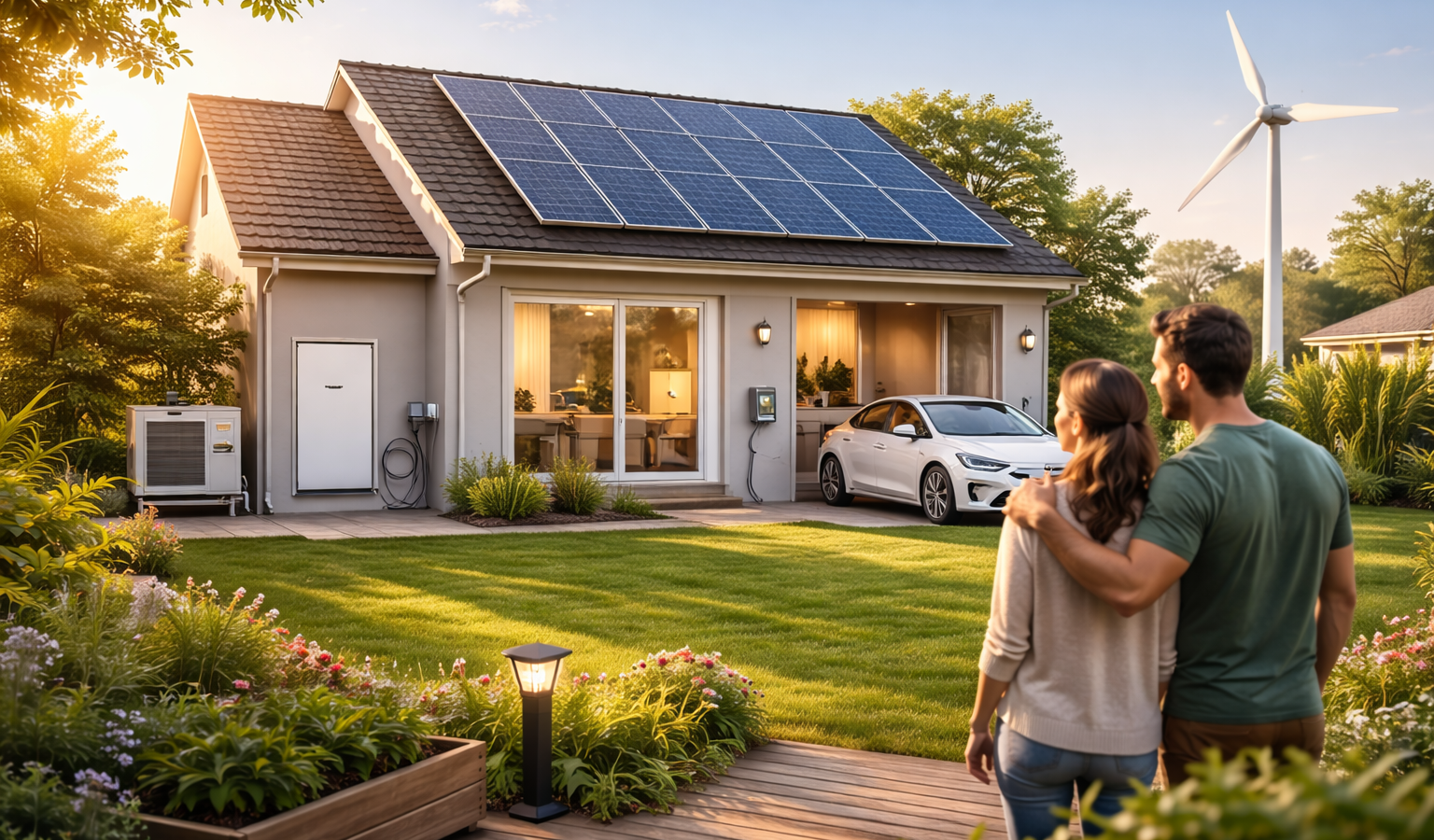
The demand for green energy solutions in residential areas is on the rise as homeowners become more conscious of their environmental impact. With the growing concerns over climate change and rising energy costs, there is an increasing push toward sustainable living. From solar panels and wind turbines to energy-efficient appliances and home batteries, green energy solutions are transforming how homes consume power.
In this article, we will explore some of the most effective green energy solutions for residential areas. We will discuss how homeowners can reduce their carbon footprint, cut down on utility bills, and contribute to a cleaner, more sustainable future. These solutions not only benefit the environment but also offer long-term financial savings. Let’s dive into the various green energy solutions that can revolutionize residential energy use.
Solar Power: Harnessing the Sun’s Energy
Solar energy has become one of the most popular and accessible green energy solutions for homeowners. By installing solar panels on rooftops, homes can generate their own electricity from the sun. This clean and renewable energy source can significantly reduce a home’s reliance on traditional electricity grids, which often rely on fossil fuels.
1. Solar Panels for Energy Generation
Solar panels convert sunlight into electricity, making them an ideal option for residential homes. Advances in solar technology have made panels more affordable and efficient. As a result, solar panels are now a viable option for homeowners in most regions. A properly installed solar power system can reduce or even eliminate monthly electricity bills. In sunny regions, homeowners can see substantial savings over time, and any excess energy generated can often be sold back to the grid, creating a potential income stream.
2. Solar Water Heating
In addition to electricity generation, solar water heaters are another excellent option for residential areas. These systems use solar energy to heat water for household use, such as showers, laundry, and cooking. This system reduces the need for energy-intensive electric or gas-powered water heaters, leading to significant savings in energy consumption. Many governments also offer incentives for solar water heating systems, making them an attractive investment for homeowners. (energy.gov )
3. Solar Batteries for Energy Storage
To maximize the benefits of solar power, homeowners can install solar batteries that store excess energy generated during the day. This energy can then be used at night or during cloudy days when solar generation is limited. By adding solar batteries to their systems, homeowners can become more self-sufficient, reduce their reliance on the grid, and potentially save more money. Systems like Tesla Powerwall and LG Chem RESU are some of the top options available today. (tesla.com )
Wind Power: Capturing the Wind’s Energy
While solar power is the go-to green energy solution for many homes, wind power is becoming an increasingly viable option for residential areas, particularly in regions with high wind speeds. Small wind turbines can be installed on residential properties to generate electricity.
1. Residential Wind Turbines
Unlike large industrial turbines, residential wind turbines are designed to generate power for individual homes. These systems typically consist of a small turbine mounted on a pole or roof. They harness the power of the wind to generate electricity, which can be used to offset energy consumption from the grid. Although wind turbines are more suited to rural areas or homes with significant open space, they can provide an effective renewable energy solution for the right location. turbinespro.com
2. Wind and Solar Hybrid Systems
For homeowners who live in areas with both ample sunlight and consistent wind, a hybrid solar-wind system can be the ideal solution. These systems combine the benefits of both solar panels and wind turbines to provide a consistent and reliable power source. By utilizing both energy sources, homeowners can generate more energy, even on days when one source isn’t as effective. Hybrid systems can be customized to suit the unique energy needs of a home, offering greater energy independence.
Energy-Efficient Appliances and Smart Home Technology
As homeowners shift toward greener energy solutions, energy-efficient appliances play a crucial role in reducing overall energy consumption. From refrigerators and air conditioners to lighting and water heaters, the right appliances can significantly reduce a home’s environmental footprint.
1. Energy Star Appliances
Appliances certified by Energy Star, a program run by the U.S. Environmental Protection Agency (EPA), are designed to consume less energy than standard models while still providing high performance. Switching to Energy Star-rated appliances can help homeowners reduce their electricity bills and cut down on energy consumption. These appliances are available for a variety of household needs, including heating and cooling systems, washing machines, and dishwashers.
2. Smart Thermostats and Home Automation
Smart home technology is another key player in energy efficiency. Smart thermostats like Nest and Ecobee allow homeowners to control their home’s heating and cooling systems remotely, ensuring that energy is only used when needed. For example, a smart thermostat can adjust temperatures based on when the homeowner is home or away, or when it detects changes in weather conditions. This ensures that the home remains comfortable while avoiding unnecessary energy use. Additionally, home automation systems can optimize lighting and power consumption by turning off lights or appliances when they’re not in use.
Geothermal Heating and Cooling
Geothermal energy is a sustainable solution that harnesses the heat stored beneath the Earth’s surface to regulate a home’s temperature. This energy can be used for both heating in the winter and cooling in the summer.
1. Geothermal Heat Pumps
Geothermal heat pumps are highly efficient systems that use the stable temperature of the earth to heat and cool a home. These systems work by circulating a fluid through underground pipes, where the temperature remains relatively constant year-round. In the winter, the system extracts heat from the ground and transfers it into the home. In the summer, it works in reverse, removing heat from the home and transferring it back into the ground. Although the initial installation cost can be high, geothermal systems offer long-term savings by significantly reducing energy bills over time. (energy.gov)
The Role of Government Incentives
The transition to green energy solutions is often supported by government incentives that help reduce the financial burden of adopting new technologies. Tax credits, rebates, and grants are available in many countries to encourage homeowners to invest in renewable energy systems. For example, in the U.S., the Investment Tax Credit (ITC) allows homeowners to deduct a significant portion of the cost of installing solar panels from their federal taxes. Similarly, many states offer local incentives for wind, geothermal, and energy-efficient appliances. (seia.org)
These incentives make green energy systems more affordable and help homeowners recoup the initial investment more quickly. As renewable energy technologies continue to become more affordable and accessible, these incentives will remain key in accelerating the adoption of green energy solutions in residential areas.
Conclusion
Green energy solutions are revolutionizing residential energy use, offering homeowners the opportunity to reduce their environmental footprint and lower energy costs. From solar power and wind energy to energy-efficient appliances and geothermal systems, there are a variety of options available to suit every home. With continued advancements in technology and government incentives, transitioning to green energy is becoming more accessible and affordable. By embracing these sustainable solutions, homeowners can play an active role in the fight against climate change while enjoying the long-term benefits of energy efficiency.
References:
- “Solar Energy Basics.” U.S. Department of Energy, https://www.energy.gov/eere/renewable-energy/solar-energy-basics
- “Geothermal Heat Pumps.” U.S. Department of Energy, https://www.energy.gov/eere/geothermal/
- “Home Solar Panels and Storage Options.” Tesla, https://www.tesla.com/solarpanels
- “Energy Star: A Guide to Energy-Efficient Products.” U.S. Environmental Protection Agency, https://www.energystar.gov/