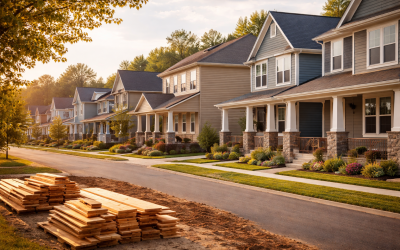
Urban development projects are transforming the way we live, work, and interact in cities. In 2026, urban development projects shaping city life are redefining urban environments by prioritizing sustainability, connectivity, and quality of life for residents. These projects are not just about expanding cities-they are about making cities more livable, resilient, and adaptable to future challenges.
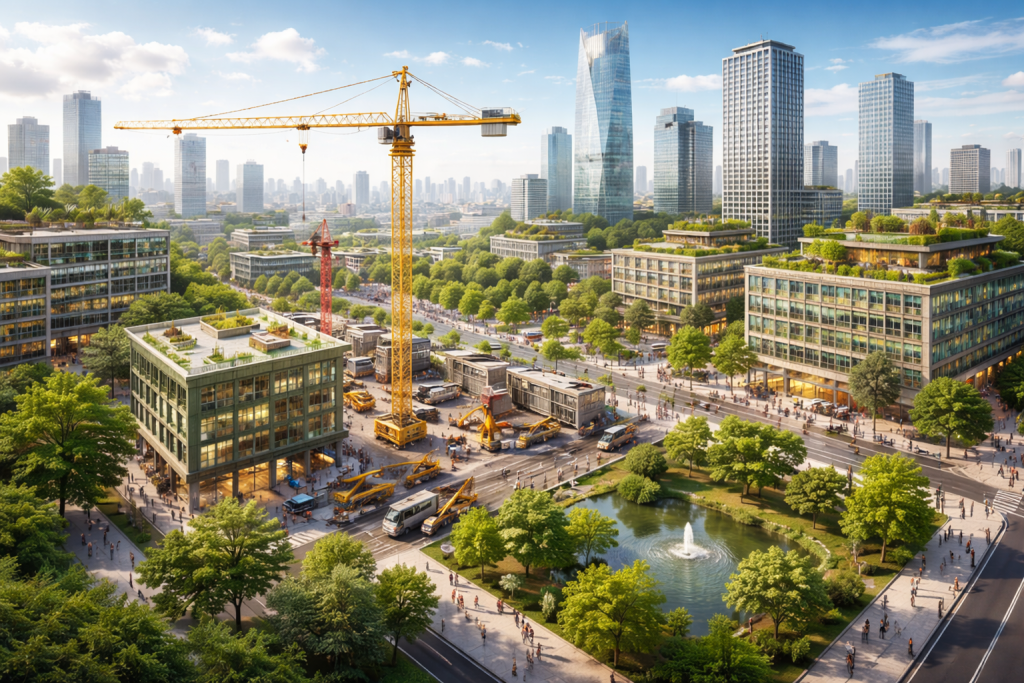
As urban populations continue to grow, cities are facing pressure to accommodate more people while ensuring that infrastructure, services, and public spaces are not just functional, but also inclusive and environmentally sustainable. The projects of today are laying the foundation for the cities of tomorrow, emphasizing smart growth, environmental responsibility, and social equity.
Why Urban Development Is Crucial for the Future of Cities
Urbanization is accelerating, with more than half of the world’s population now living in cities. As urban areas grow, cities face complex challenges, including congestion, pollution, inadequate infrastructure, and housing shortages. However, urban development projects offer the opportunity to address these issues while improving the overall quality of life.
Several factors are driving the need for innovative urban development:
- Population growth and the expansion of urban areas
- Climate change and the need for sustainable cities
- Technological advancements that enable smarter infrastructure
- Social equity concerns to ensure that all residents benefit from urban growth
Through forward-thinking urban development projects, cities can evolve into more connected, efficient, and equitable spaces for their inhabitants.
Urban Development Projects Shaping City Life in 2026
Sustainable and Green Urban Planning
One of the most important trends in urban development is the focus on sustainability and green infrastructure. As climate change continues to impact cities, there is a strong push toward designing urban spaces that are energy-efficient, resilient, and environmentally friendly.
Key developments include:
- Green buildings that meet energy efficiency standards, often incorporating renewable energy sources like solar panels and geothermal heating
- Urban green spaces such as parks, green roofs, and community gardens that reduce the urban heat island effect and provide residents with access to nature
- Eco-friendly transportation systems that promote cycling, walking, and the use of electric vehicles (EVs), reducing reliance on cars and lowering emissions
These projects aim to create cities that are not only more sustainable but also healthier for their inhabitants.
Smart Cities Powered by Technology
In 2026, smart cities are no longer a futuristic concept-they are becoming a reality. Urban development projects are increasingly incorporating technology to improve the efficiency of city systems and the quality of life for residents.
Key features of smart cities include:
- IoT (Internet of Things) networks that enable real-time data collection and analysis for better city management, such as traffic control, waste management, and energy consumption
- Smart infrastructure, such as intelligent streetlights, waste bins, and parking meters, which help reduce energy use and improve service delivery
- Connected transportation systems that use real-time data to optimize routes, reduce congestion, and promote sustainable modes of travel
These projects aim to make cities more livable by improving convenience, efficiency, and sustainability through the use of cutting-edge technology.
Mixed-Use Developments for Better Connectivity
Urban Mobility and Transit-Oriented Development
As cities continue to grow, there is a focus on creating transit-oriented developments (TODs) that make it easier for people to access jobs, housing, and amenities without relying on private cars. TODs integrate residential, commercial, and public transport systems in a way that encourages walking, biking, and the use of public transportation.
Key features of TOD projects include:
- Well-connected public transportation systems that link neighborhoods with key urban centers
- Affordable housing located near transit hubs to reduce commuting times and expenses
- Pedestrian-friendly infrastructure that encourages walking and cycling as primary modes of transport
These developments promote more sustainable living by reducing car dependency and encouraging the use of public transport.
Affordable Housing Solutions
With rising housing costs in many cities, urban development projects are focusing on creating affordable housing that meets the needs of diverse populations. Affordable housing initiatives are often tied to broader efforts to improve city inclusivity and address social equity issues.
Key components of affordable housing projects include:
- Mixed-income developments that offer a range of housing options, from low-income units to market-rate apartments
- Public-private partnerships to finance housing projects that benefit both low- and middle-income residents
- Smart housing solutions that incorporate energy-efficient technologies and sustainable materials to reduce long-term costs for residents
Affordable housing projects aim to ensure that cities remain diverse and inclusive by providing homes for people at various income levels.
Resilient Infrastructure for Climate Adaptation
Flood-Resistant Infrastructure
As climate change leads to more extreme weather patterns, cities are investing in infrastructure that can withstand flooding, heatwaves, and other climate-related challenges.
Key elements of resilient infrastructure include:
- Flood defenses such as levees, seawalls, and stormwater management systems to prevent flooding in vulnerable areas
- Water-efficient urban landscapes that reduce the risk of water scarcity and mitigate the impact of droughts
- Cooling technologies like green roofs, permeable pavements, and urban trees that help reduce the heat island effect in cities
These projects aim to build cities that are not only more sustainable but also resilient to the effects of climate change.
Renewable Energy Integration
Urban development projects are increasingly integrating renewable energy solutions to reduce cities’ dependence on fossil fuels and combat climate change. These energy-efficient solutions are designed to reduce carbon emissions and support cities in meeting their sustainability goals.
Key developments include:
- Solar panel installations on rooftops and public buildings
- Wind turbines and solar farms integrated into the urban landscape
- District energy systems that provide centralized heating and cooling from renewable sources
These projects contribute to the shift towards sustainable energy in cities, supporting a cleaner, more energy-efficient future.
Urban Regeneration and Community Development
Revitalizing Underused Urban Areas
Urban regeneration projects are revitalizing underused or neglected parts of cities, transforming them into vibrant, mixed-use communities that cater to both residents and businesses.
Examples of regeneration projects include:
- Repurposing old industrial sites for new uses, such as residential complexes, cultural centers, or parks
- Urban renewal programs that focus on improving infrastructure and amenities in underserved neighborhoods
- Public spaces that foster community engagement and support social interactions
These regeneration projects not only improve the physical environment but also stimulate economic growth and social cohesion.
Community-Led Development Initiatives
Urban development is increasingly involving local communities in the planning and decision-making processes. By empowering residents to have a say in the design of their neighborhoods, cities can better meet the needs of their inhabitants.
Community-driven projects include:
- Affordable housing co-ops where residents have ownership stakes and decision-making power
- Green spaces and community gardens that promote local food production and environmental sustainability
- Community-led transport solutions, such as bike-sharing programs and carpooling initiatives
These initiatives foster a sense of ownership and pride, making neighborhoods more connected and resilient.
Common Misconceptions About Urban Development Projects
Some myths about urban development persist:
- “Smart cities are only for large metropolitan areas” – While major cities are leading the charge, smart city initiatives are expanding to smaller urban areas and even suburban regions.
- “Urban regeneration leads to gentrification” – Not all urban regeneration projects lead to gentrification. Many are designed to include affordable housing and improve access to services for lower-income residents.
- “Sustainability in urban development is expensive” – Sustainable technologies and green infrastructure often reduce long-term costs, saving cities and residents money over time.
Long-Term Implications of Urban Development Projects
As urban development projects shaping city life continue to evolve, they will:
- Increase urban resilience to climate change and economic disruptions
- Enhance social equity by making cities more inclusive and accessible for people of all backgrounds
- Foster sustainable growth, balancing environmental concerns with economic development
These long-term benefits will not only improve the quality of life for city dwellers but also ensure that urban environments can adapt to future challenges.
Final Thoughts
Urban development is no longer just about expansion-it’s about creating smart, sustainable, and inclusive spaces where people can thrive. Urban development projects shaping city life are playing a central role in this transformation, focusing on efficiency, resilience, and community well-being.
By embracing new technologies, green infrastructure, and inclusive policies, cities can provide better living conditions for their residents while preparing for the challenges of tomorrow.
References
- United Nations Habitat – Sustainable Urban Development: https://unhabitat.org
- World Economic Forum – The Future of Urbanization: https://www.weforum.org
- McKinsey & Company – Urban Sustainability and Development: https://www.mckinsey.com
- Forbes – How Urban Development is Shaping Future Cities: https://www.forbes.com