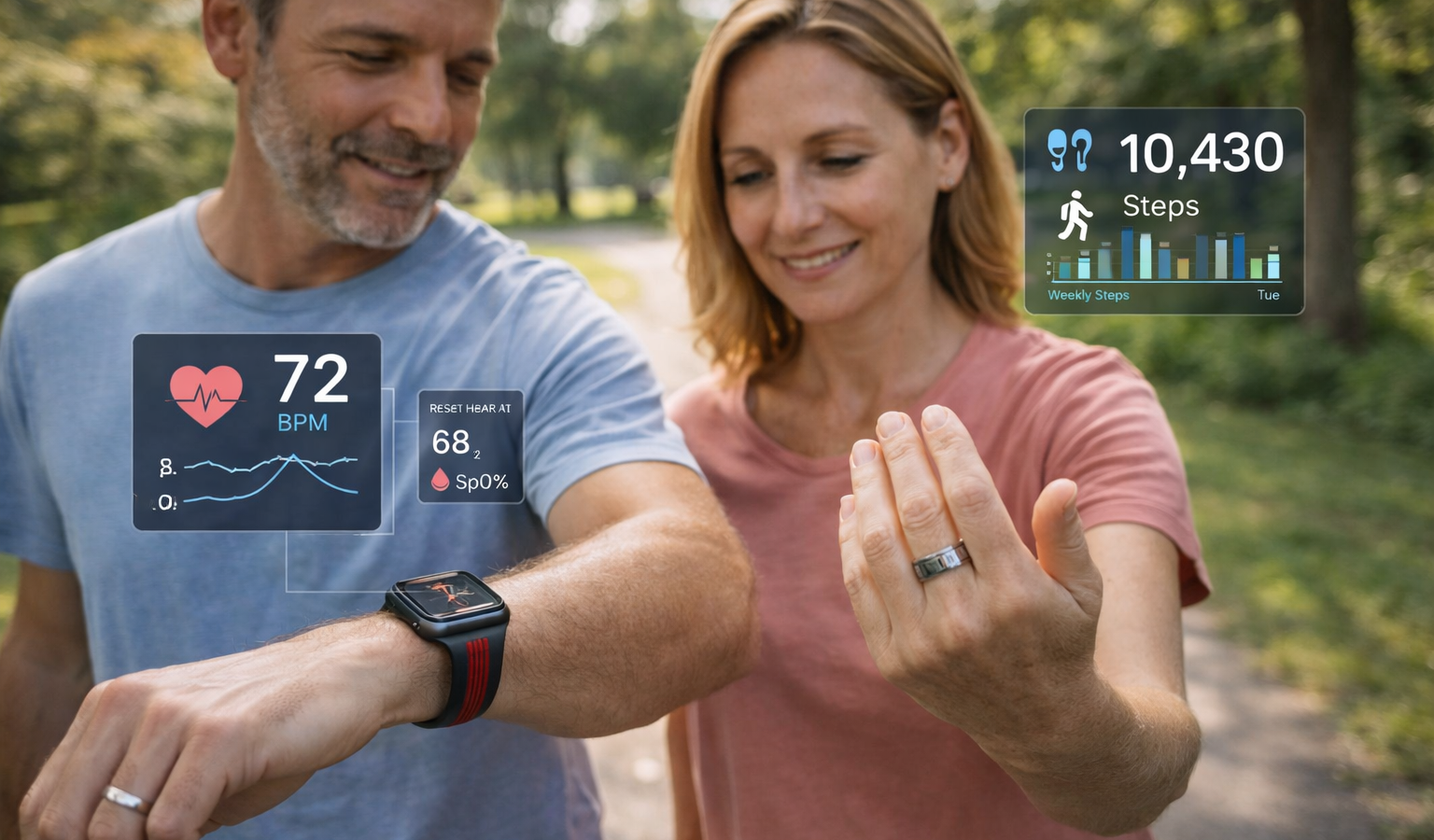
Preventive healthcare is gaining renewed attention as individuals, healthcare systems, and policymakers shift focus from reactive treatment to early detection and long-term well-being. Among the most influential innovations driving this shift are tech wearables supporting preventive health. These devices—ranging from smartwatches and fitness trackers to advanced biosensors—are transforming how people monitor vital signs, track activity, and respond to early warning indicators.
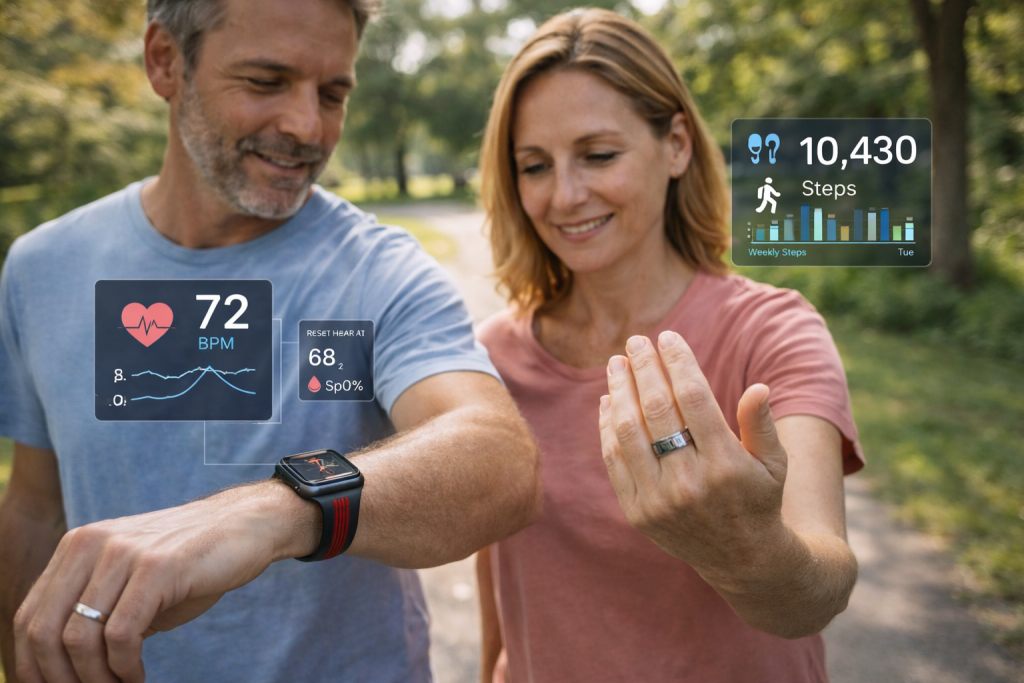
Rather than waiting for symptoms to escalate, consumers are increasingly using wearable technology to identify potential risks before they become critical. This shift represents a broader transformation in healthcare delivery, where real-time data, personalized insights, and remote monitoring redefine patient engagement.
Understanding how tech wearables supporting preventive health function—and where their impact is most significant—provides insight into the future of personalized medicine and proactive care.
The Rise of Continuous Health Monitoring
Traditional healthcare models rely heavily on periodic checkups. However, many chronic conditions develop gradually and may remain undetected between visits. Wearable devices bridge this gap by collecting continuous physiological data.
Modern wearables track metrics such as:
- Heart rate and heart rate variability
- Blood oxygen levels
- Sleep patterns
- Physical activity
- Stress indicators
- Skin temperature
By monitoring these data points consistently, users gain visibility into subtle changes that may signal health concerns.
According to the World Health Organization, noncommunicable diseases such as heart disease and diabetes account for a significant portion of global mortality. Early lifestyle interventions are critical in reducing these risks. Continuous monitoring enables earlier awareness and behavioral adjustments.
Cardiovascular Health and Early Alerts
Cardiovascular conditions remain among the leading causes of death worldwide. Tech wearables supporting preventive health increasingly include features that detect irregular heart rhythms and other anomalies.
Some devices can identify patterns consistent with atrial fibrillation and prompt users to seek medical evaluation. While these tools do not replace clinical diagnosis, they encourage timely consultation.
Research published by the American Heart Association highlights the growing role of wearable electrocardiogram capabilities in identifying arrhythmias. Early detection may significantly reduce complications associated with untreated heart conditions.
Moreover, wearable data supports long-term cardiovascular risk management by encouraging regular exercise, improved sleep, and stress reduction.
Sleep Tracking and Recovery Optimization
Sleep is fundamental to preventive health. Poor sleep quality is associated with increased risk of metabolic disorders, cardiovascular disease, and mental health challenges.
Wearable devices analyze sleep cycles, duration, and interruptions. By identifying patterns, users can adjust bedtime routines and lifestyle habits to improve recovery.
The Centers for Disease Control and Prevention emphasizes that sufficient sleep contributes to overall physical and cognitive health. Wearable sleep tracking tools help translate abstract recommendations into measurable insights.
Although sleep staging algorithms are not flawless, they provide useful trends that encourage self-awareness and behavioral change.
Activity Tracking and Lifestyle Motivation
Physical inactivity remains a global health concern. Tech wearables supporting preventive health frequently incorporate step counters, workout tracking, and goal-setting systems.
Gamification features—such as achievement badges and progress summaries—motivate consistent engagement. This sustained activity supports weight management, cardiovascular fitness, and mental well-being.
The World Health Organization recommends regular moderate-intensity physical activity to reduce chronic disease risk. Wearables make adherence to these guidelines more transparent and trackable.
Furthermore, activity reminders reduce sedentary behavior, which is increasingly associated with metabolic risk.
Blood Glucose Monitoring and Metabolic Health
Recent advancements include wearable glucose monitoring systems designed for both diabetic and non-diabetic users. Continuous glucose monitors (CGMs) provide real-time feedback on blood sugar fluctuations.
These systems help individuals understand how food, exercise, and stress affect metabolic responses. Early detection of abnormal glucose trends enables preventive dietary adjustments.
According to the International Diabetes Federation, early management significantly reduces long-term complications. Wearables expand access to real-time metabolic insight beyond traditional finger-prick testing.
As sensor technology improves, metabolic tracking may become a standard preventive tool for broader populations.
Mental Health and Stress Indicators
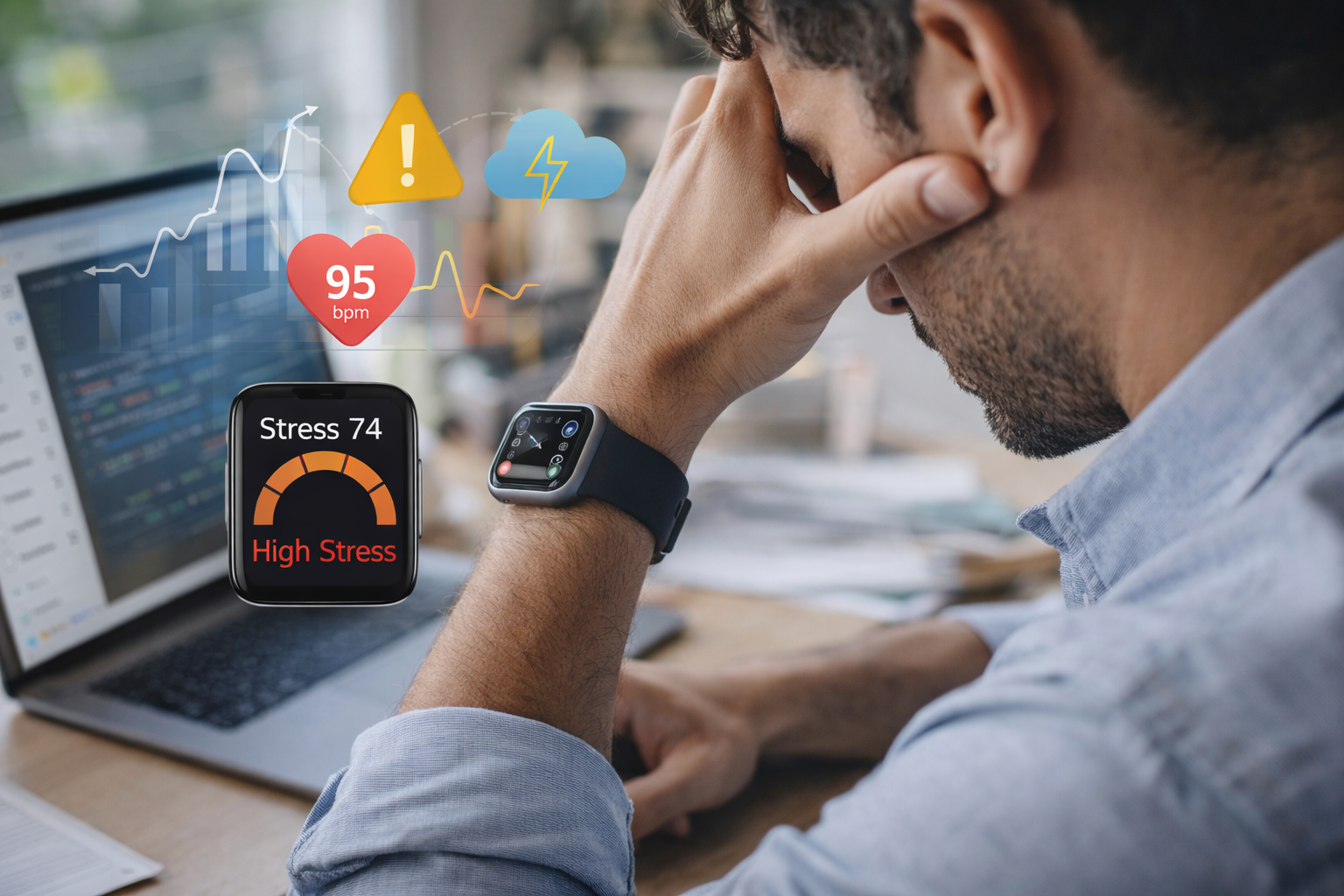
Preventive health extends beyond physical metrics. Wearables now incorporate stress detection algorithms based on heart rate variability and activity patterns.
High stress levels correlate with long-term cardiovascular and psychological risk. By identifying elevated stress periods, users can implement relaxation strategies such as breathing exercises or short activity breaks.
The American Psychological Association recognizes stress management as a critical component of preventive health. Wearable-guided interventions encourage proactive coping rather than reactive treatment.
While mental health monitoring remains complex, integrated biometric signals provide meaningful behavioral prompts.
Remote Patient Monitoring and Healthcare Integration
Healthcare providers increasingly incorporate wearable data into remote patient monitoring programs. Chronic condition management often benefits from continuous observation.
For example, patients recovering from surgery or managing heart disease may share wearable metrics with care teams. Clinicians can review trends and intervene when anomalies appear.
The Centers for Medicare & Medicaid Services have expanded reimbursement policies for remote monitoring services, supporting broader adoption. This alignment of technology and healthcare policy reinforces the preventive potential of wearable systems.
However, integration requires secure data transmission and regulatory oversight to protect patient privacy.
Artificial Intelligence and Predictive Analytics
Artificial intelligence enhances the value of wearable data by identifying patterns that may not be obvious to users. Machine learning algorithms analyze large datasets to detect correlations between behaviors and health outcomes.
Predictive analytics may eventually forecast risk events before symptoms emerge. For example, subtle changes in resting heart rate combined with sleep disruption could indicate developing illness.
According to Deloitte’s healthcare industry research, AI-powered health analytics are accelerating personalization in preventive medicine. As data accuracy improves, predictive capacity will expand.
Nevertheless, algorithm transparency and validation remain essential to maintain trust and clinical reliability.
Data Privacy and Ethical Considerations
While tech wearables supporting preventive health offer clear benefits, they also raise data privacy concerns. Health data is sensitive, and unauthorized access could compromise user security.
Manufacturers and healthcare providers must implement robust encryption and transparent data usage policies. Regulatory frameworks such as data protection laws guide responsible handling.
Consumers should also understand how their data is stored, shared, and analyzed. Education around privacy settings supports informed decision-making.
Trust will play a decisive role in continued adoption.
Accessibility and Equity Challenges
Despite rapid growth, wearable technology is not universally accessible. Device costs and smartphone requirements may limit adoption among lower-income populations.
Bridging this gap is essential to prevent widening health disparities. Public health programs and insurance incentives could expand accessibility.
Additionally, digital literacy influences effective use. Without clear guidance, users may misinterpret data or become overly anxious about minor fluctuations.
Education and responsible communication are therefore crucial components of preventive wearable adoption.
Long-Term Outlook
Tech wearables supporting preventive health are likely to become increasingly sophisticated. Miniaturized sensors, longer battery life, and improved biometric accuracy will expand capabilities.
Future developments may include noninvasive blood pressure monitoring, hydration tracking, and real-time infection detection. Integration with electronic health records will further personalize preventive strategies.
However, technology alone cannot replace foundational health behaviors. Balanced nutrition, exercise, sleep, and stress management remain central. Wearables function as tools that enhance awareness and accountability rather than substitutes for medical care.
Conclusion
Tech wearables supporting preventive health represent a significant shift toward proactive, data-driven well-being. By enabling continuous monitoring, early detection, and personalized insights, these devices empower individuals to engage actively in their health management.
From cardiovascular alerts and glucose monitoring to stress detection and sleep analysis, wearables expand access to information once limited to clinical settings. When integrated responsibly with healthcare systems and supported by privacy safeguards, they strengthen preventive care frameworks.
As sensor technology, artificial intelligence, and digital health policy continue evolving, wearable devices are likely to play an even greater role in global health strategies. Ultimately, preventive health supported by technology offers an opportunity to reduce chronic disease burden and improve quality of life through informed, timely action.
References
World Health Organization – Noncommunicable Diseases Overview: https://www.who.int
American Heart Association – Wearable ECG Research: https://www.heart.org
Centers for Disease Control and Prevention – Sleep and Health: https://www.cdc.gov
International Diabetes Federation – Diabetes and Glucose Monitoring: https://idf.org