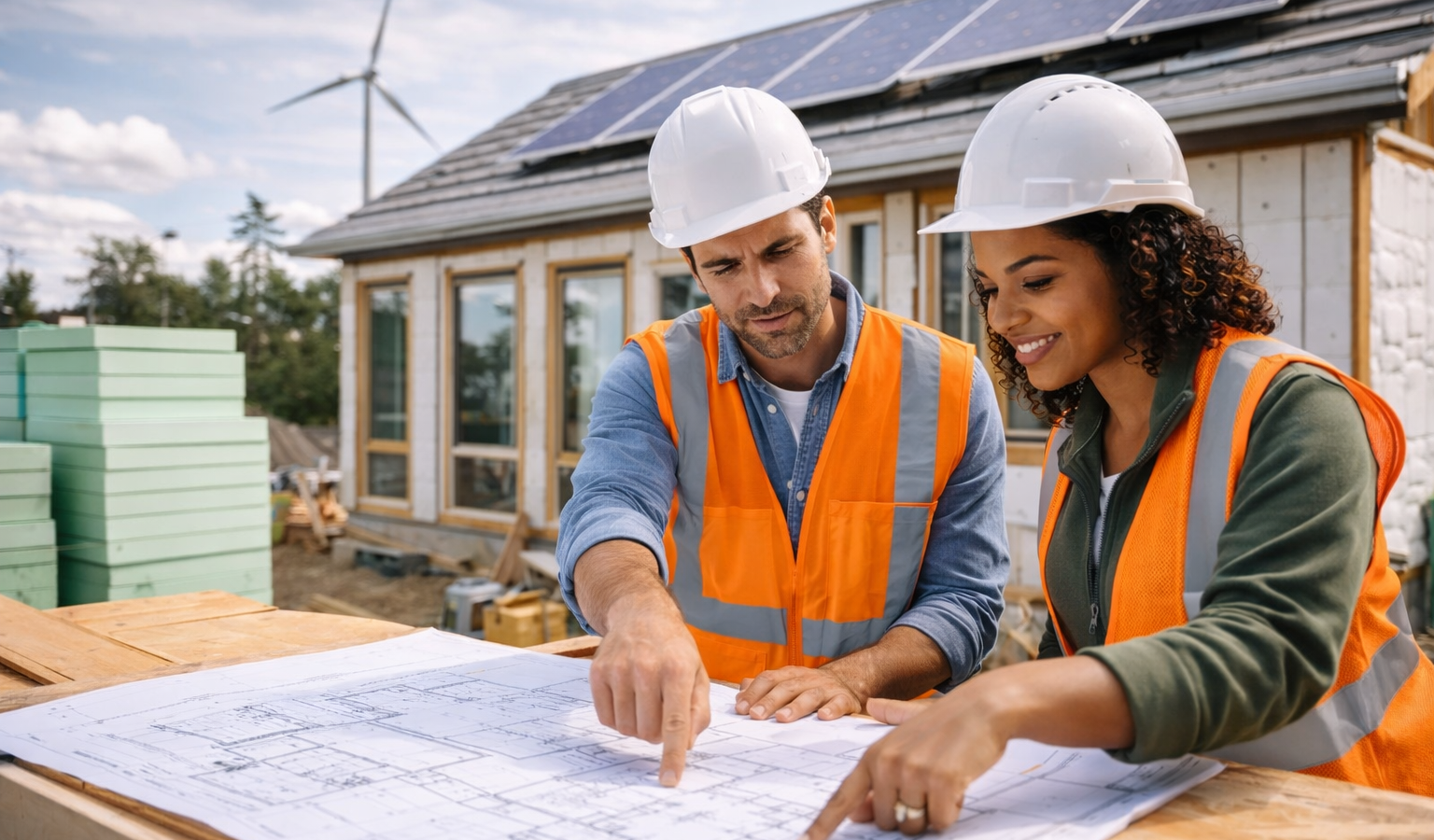
Energy-Efficient Construction Methods Advancing is one of the most important developments in the global building industry. As climate targets tighten, energy costs fluctuate, and sustainability expectations grow, the construction sector is under increasing pressure to reduce energy consumption across the lifecycle of buildings. From material innovation to smart building systems, energy efficiency is no longer an optional feature—it is becoming a structural priority.
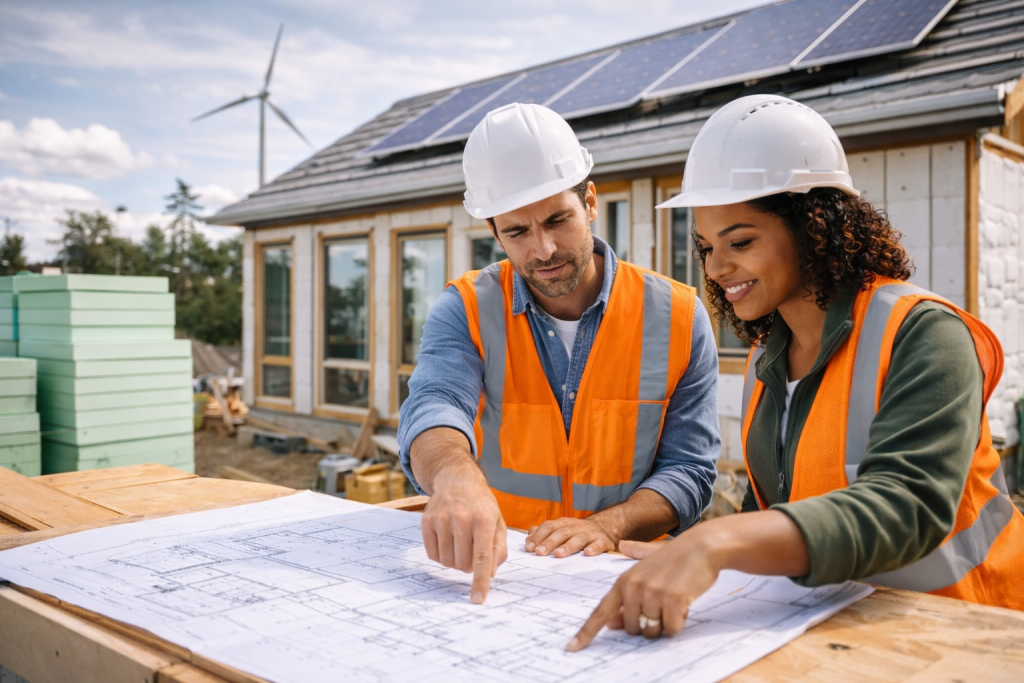
Buildings account for a significant share of global energy use and carbon emissions. According to the International Energy Agency, the buildings sector is responsible for roughly one-third of global energy consumption (International Energy Agency – Buildings Sector Overview: https://www.iea.org). Improving energy performance in construction is therefore central to long-term environmental and economic strategies.
In this article, we explore the most influential energy-efficient construction methods advancing today, the technologies driving progress, and what these changes mean for developers, homeowners, and policymakers.
Why Energy-Efficient Construction Methods Advancing Matter
Energy efficiency in construction directly impacts:
- Operational energy costs
- Carbon emissions
- Indoor comfort levels
- Long-term property value
- Regulatory compliance
As governments introduce stricter building codes and emissions standards, developers are integrating energy-saving features earlier in the design process. The United Nations Environment Programme highlights that improving building efficiency is essential for achieving global climate goals (UNEP – Sustainable Buildings: https://www.unep.org).
Energy-efficient construction methods advancing today reflect a combination of technological innovation and policy alignment.
High-Performance Building Envelopes
A building’s envelope—its walls, roof, windows, and foundation—plays a critical role in energy performance.
Modern energy-efficient construction emphasizes:
- Advanced insulation materials
- Airtight construction techniques
- High-performance glazing
- Thermal bridge reduction
Improved insulation reduces heat transfer, minimizing the need for mechanical heating and cooling. Double- and triple-glazed windows with low-emissivity coatings enhance temperature control while maintaining natural light.
A well-designed envelope reduces long-term energy consumption and enhances occupant comfort.
Passive House and Net-Zero Design Principles
Passive house standards represent one of the most rigorous energy-efficient construction frameworks.
Core principles include:
- Ultra-high insulation
- Continuous airtightness
- Heat recovery ventilation
- Strategic building orientation
Passive buildings can reduce heating and cooling demand dramatically compared to conventional structures.
Net-zero buildings go further by generating as much energy as they consume over a year, often through rooftop solar panels or on-site renewable systems. The U.S. Department of Energy emphasizes that net-zero construction is becoming more achievable with modern technology (U.S. Department of Energy – Zero Energy Buildings: https://www.energy.gov).
These models are increasingly adopted in residential, commercial, and institutional projects.
Smart Building Systems and Automation
Digital technology is accelerating energy-efficient construction methods advancing globally.
Smart building systems allow:
- Automated lighting adjustments
- Occupancy-based climate control
- Real-time energy monitoring
- Predictive maintenance of HVAC systems
The integration of IoT (Internet of Things) sensors enhances precision in energy management. According to the World Economic Forum, smart building technologies contribute significantly to sustainability objectives (World Economic Forum – Smart Infrastructure Insights: https://www.weforum.org).
Automation reduces waste while optimizing comfort.
Sustainable and Low-Carbon Materials
Material selection plays a major role in energy efficiency and carbon reduction.
Innovative materials include:
- Cross-laminated timber
- Recycled steel
- Low-carbon concrete
- Structural insulated panels
- Aerogel insulation
Low-carbon concrete alternatives aim to reduce emissions associated with cement production, which is a significant contributor to global CO₂ output.
Material innovation not only improves operational efficiency but also addresses embodied carbon—the emissions generated during manufacturing and construction.
Prefabrication and Modular Construction
Prefabrication is transforming construction efficiency.
Factory-built modules often provide:
- Reduced material waste
- Improved quality control
- Faster construction timelines
- Enhanced insulation precision
Modular construction minimizes on-site inefficiencies and supports tighter building envelopes.
The World Green Building Council highlights prefabrication as a promising approach to improving both sustainability and affordability (World Green Building Council – Green Building Reports: https://www.worldgbc.org).
Off-site manufacturing also reduces transportation and labor-related energy use.
Renewable Energy Integration
Energy-efficient construction increasingly integrates renewable energy systems from the outset.
Common solutions include:
- Solar photovoltaic panels
- Solar thermal water heating
- Geothermal heat pumps
- Energy storage systems
Integrating renewables at the design stage enhances long-term energy independence.
Renewable integration aligns with broader decarbonization efforts across the energy sector.
Advanced HVAC and Ventilation Systems
Heating, ventilation, and air conditioning systems account for a large share of building energy use.
Advancements include:
- Variable refrigerant flow systems
- Heat recovery ventilators
- Smart thermostats
- Zoned climate systems
High-efficiency HVAC systems maintain indoor air quality while reducing power consumption.
Improved ventilation strategies also support occupant health and comfort.
Regulatory and Certification Frameworks
Building certification programs influence energy-efficient construction methods advancing today.
Prominent frameworks include:
- LEED (Leadership in Energy and Environmental Design)
- BREEAM (Building Research Establishment Environmental Assessment Method)
- WELL Building Standard
These certifications encourage developers to meet measurable sustainability benchmarks.
Stricter building codes and carbon reporting requirements further incentivize efficiency improvements.
Economic and Market Implications
Energy-efficient construction often involves higher upfront costs but lower long-term operational expenses.
Benefits may include:
- Reduced utility bills
- Higher resale value
- Increased tenant demand
- Eligibility for green financing
Financial institutions increasingly offer sustainability-linked loans for energy-efficient projects.
Long-term cost savings and regulatory compliance strengthen the business case for efficiency.
Challenges in Advancing Energy Efficiency
Despite progress, barriers remain.
Higher Initial Investment
Advanced materials and systems may increase upfront costs.
Skill Gaps
Specialized construction techniques require trained labor.
Supply Chain Constraints
Availability of sustainable materials can vary regionally.
Policy Variation
Regulations differ across jurisdictions, complicating standardization.
Overcoming these challenges requires coordinated industry and policy efforts.
The Future of Energy-Efficient Construction
Energy-efficient construction methods advancing today are likely to accelerate further as climate policies intensify.
Future innovations may include:
Carbon-negative materials
AI-driven building performance optimization
Expanded use of 3D printing in construction
Integrated battery storage systems
Urban-scale energy-sharing networks
As building technologies evolve, efficiency will increasingly be embedded into design rather than added retroactively.
Conclusion
Energy-Efficient Construction Methods Advancing reflect a structural transformation in how buildings are designed, constructed, and operated. High-performance envelopes, smart automation systems, renewable integration, and sustainable materials are redefining construction standards worldwide.
While upfront costs and technical challenges remain considerations, long-term benefits in operational savings, environmental impact, and regulatory alignment make energy efficiency an essential priority. As global climate objectives tighten and energy markets evolve, construction innovation will continue playing a central role in sustainable development.
Energy-efficient buildings are no longer aspirational—they are becoming the benchmark for modern construction.
References
International Energy Agency – Buildings Sector Overview: https://www.iea.org
United Nations Environment Programme – Sustainable Buildings and Construction: https://www.unep.org
U.S. Department of Energy – Zero Energy Buildings: https://www.energy.gov
World Economic Forum – Smart Infrastructure Insights: https://www.weforum.org
World Green Building Council – Green Building Reports: https://www.worldgbc.org