Home Comfort Trends Influencing Renovations are reshaping how homeowners prioritize upgrades and remodeling decisions. Renovations are no longer driven solely by aesthetics or resale value. Instead, comfort, functionality, energy efficiency, and well-being have become central considerations. As remote work, sustainability awareness, and lifestyle flexibility continue evolving, homeowners are reimagining how their living spaces support daily life.
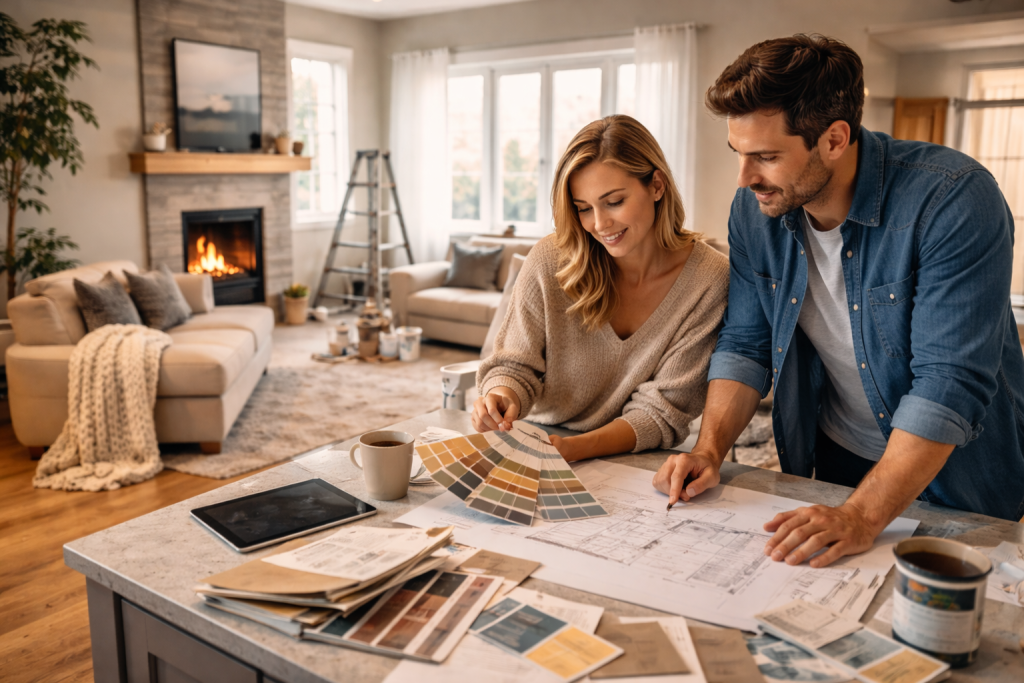
From smart climate control systems to wellness-focused design features, renovation priorities increasingly reflect a desire for adaptable, efficient, and restorative home environments.
In this article, we explore the key home comfort trends influencing renovations, why they are gaining momentum, and what they mean for future residential design.
Why Home Comfort Trends Influencing Renovations Are Accelerating
Several structural factors are driving this shift.
First, time spent at home has increased in recent years due to hybrid work models and flexible schedules. According to the U.S. Census Bureau, remote work remains significantly higher than pre-pandemic levels (U.S. Census Bureau – Work from Home Data: https://www.census.gov). When homes double as offices, gyms, and entertainment spaces, comfort becomes a functional necessity.
Second, energy efficiency concerns are rising. The International Energy Agency reports that buildings account for a substantial portion of global energy consumption (International Energy Agency – Buildings Sector Overview: https://www.iea.org). Homeowners are increasingly renovating to reduce utility costs and environmental impact.
Third, health and wellness awareness has expanded. Interior environments are now evaluated for their impact on air quality, lighting, acoustics, and mental well-being.
These forces collectively explain why home comfort trends influencing renovations are shaping the remodeling market.
Energy Efficiency and Climate Control
Energy-efficient upgrades are among the most popular renovation priorities.
Homeowners are investing in:
- High-performance insulation
- Energy-efficient windows
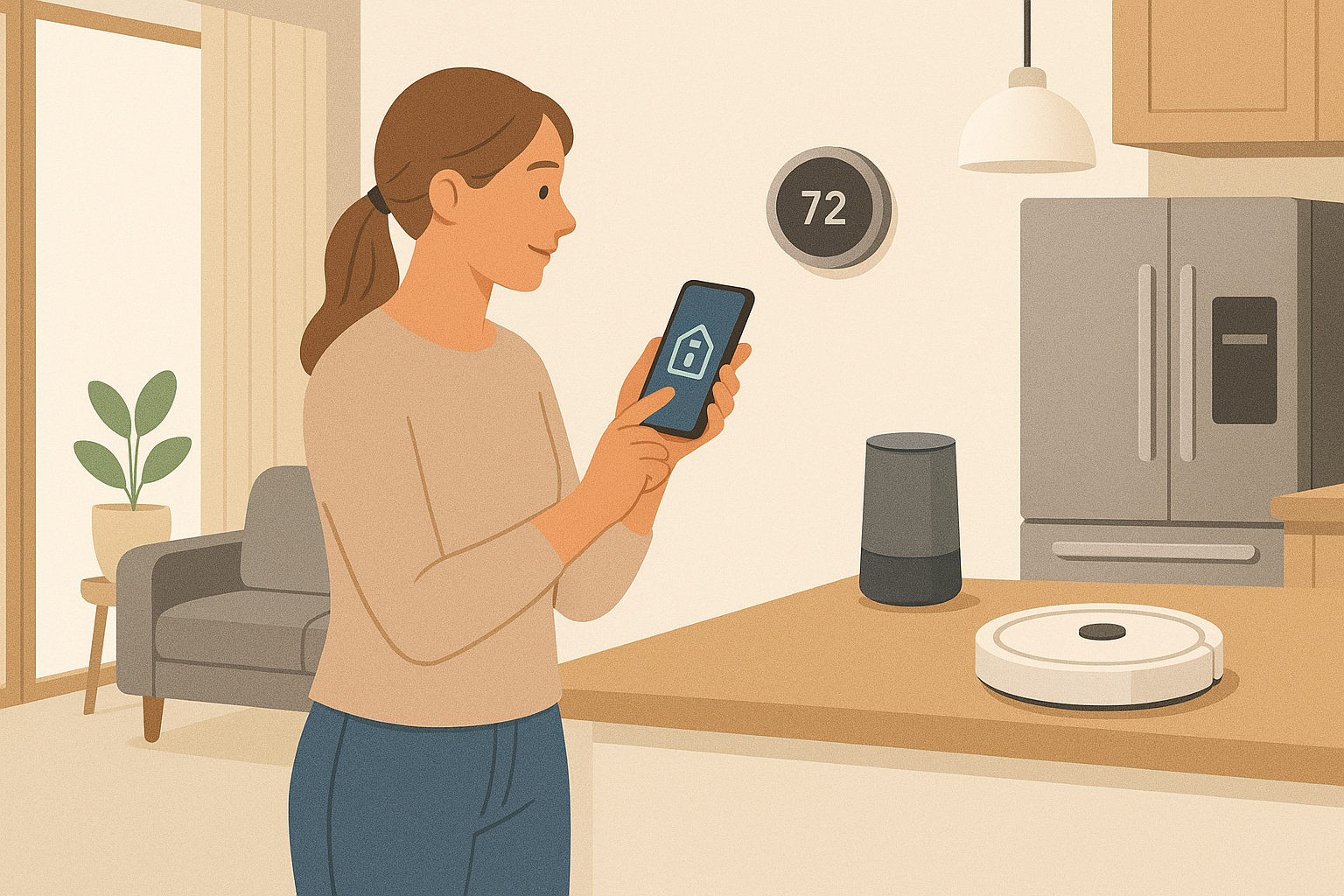
- Smart thermostats
- Zoned heating and cooling systems
- Solar panel installations
The U.S. Department of Energy emphasizes that energy-efficient retrofits can significantly reduce household energy bills while improving indoor comfort (U.S. Department of Energy – Energy Saver Guide: https://www.energy.gov).
Smart climate control systems allow homeowners to adjust temperature settings remotely and optimize energy use based on occupancy patterns.
Indoor Air Quality Improvements
Air quality has become a key consideration in renovation planning.
The Environmental Protection Agency notes that indoor air can sometimes contain higher concentrations of pollutants than outdoor air (EPA – Indoor Air Quality: https://www.epa.gov).
As a result, homeowners are incorporating:
- Advanced air filtration systems
- Ventilation upgrades
- Low-VOC paints and materials
- Air purifiers integrated into HVAC systems
Improved ventilation and material choices contribute to healthier indoor environments and enhanced comfort.
Flexible Multi-Use Spaces
Home design is increasingly centered around adaptability.
Rather than single-purpose rooms, homeowners prefer flexible layouts that accommodate multiple functions, such as:
- Home offices that convert into guest rooms
- Living spaces adaptable for fitness or entertainment
- Built-in storage solutions to reduce clutter
- Movable partitions or modular furniture
Flexible design supports evolving needs, particularly for families balancing work, study, and leisure at home.
Smart Home Integration
Technology integration plays a central role in home comfort trends influencing renovations.
Smart home features include:
- Automated lighting systems
- Voice-controlled devices
- Smart security systems
- Energy monitoring dashboards
- App-controlled appliances
According to Statista, smart home adoption continues to grow globally, reflecting consumer demand for convenience and efficiency (Statista – Smart Home Market Data: https://www.statista.com).
Integrated systems enhance comfort by automating routine tasks and improving household management.
Acoustic Comfort and Noise Reduction
Noise management has become increasingly important, especially in dense urban environments and multi-generational households.
Renovation strategies often include:
- Soundproof insulation
- Double-glazed windows
- Acoustic panels
- Quiet HVAC systems
Reducing ambient noise improves focus, relaxation, and overall living satisfaction.
Acoustic comfort is particularly valued in home offices and media rooms.
Wellness-Oriented Design Features
Wellness design is influencing renovation choices.
Homeowners are incorporating:
- Natural light maximization
- Biophilic elements such as indoor plants
- Spa-inspired bathrooms
- Ergonomic furniture setups
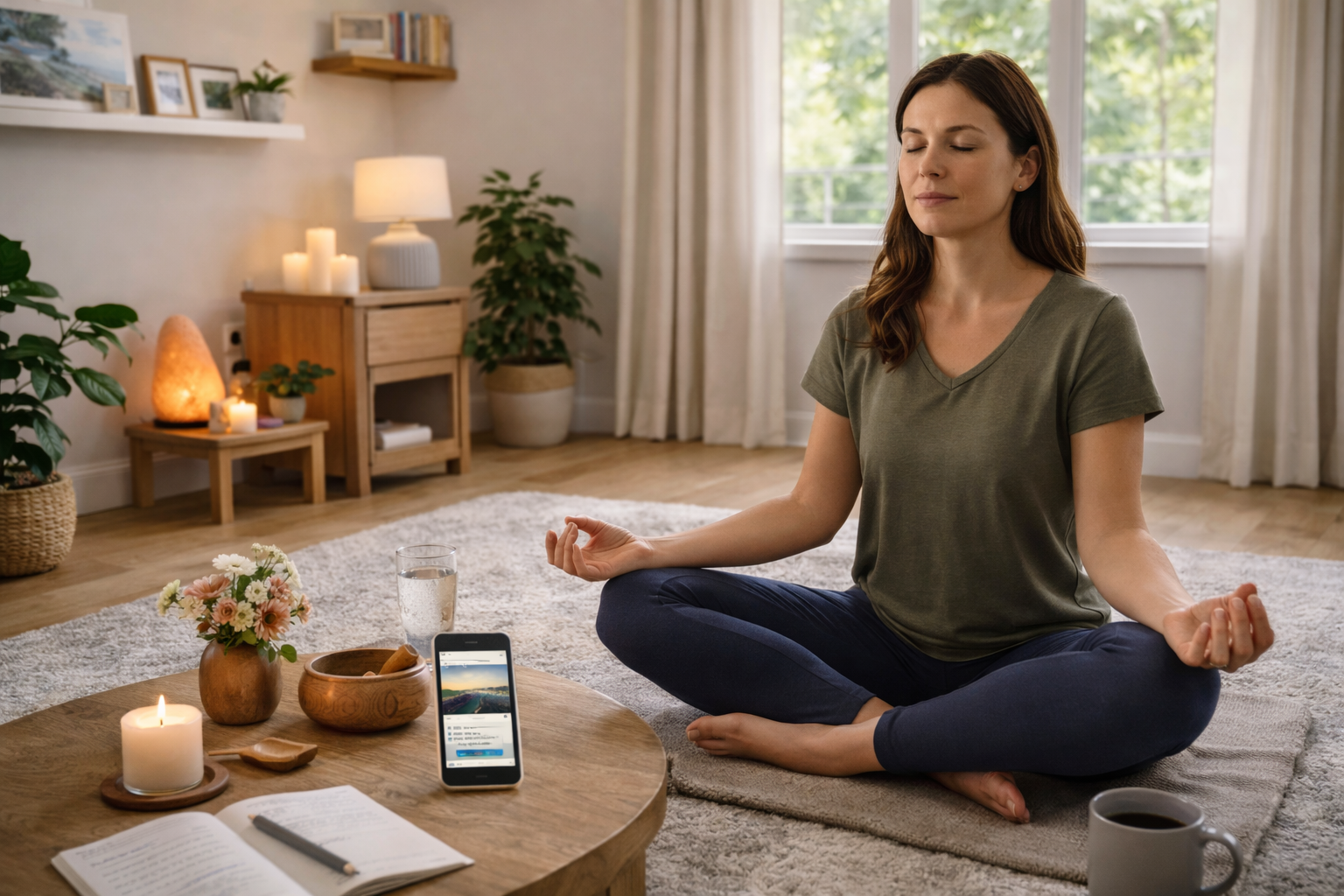
- Dedicated meditation or relaxation spaces
Research from Harvard T.H. Chan School of Public Health highlights the relationship between indoor environments and cognitive performance (Harvard T.H. Chan – Healthy Buildings Research: https://www.hsph.harvard.edu).
Wellness-oriented renovations prioritize both mental and physical well-being.
Outdoor Living Enhancements
Comfort trends extend beyond interior spaces.
Homeowners are investing in:
- Covered patios
- Outdoor kitchens
- Fire pits
- Garden landscaping
- Weather-resistant seating areas
Outdoor living areas expand usable space and encourage connection with nature.
As climate patterns shift, weather-adaptive design features are also gaining attention.
Sustainable Materials and Eco-Conscious Renovation
Sustainability intersects with comfort through material selection.
Popular sustainable renovation materials include:
- Reclaimed wood
- Bamboo flooring
- Recycled countertops
- Energy-efficient appliances
- Water-saving fixtures
The United Nations Environment Programme emphasizes sustainable construction as a key strategy for reducing environmental impact (UNEP – Sustainable Buildings: https://www.unep.org).
Eco-conscious upgrades often improve durability and reduce long-term maintenance costs.
Aging in Place Considerations
Home comfort trends influencing renovations increasingly reflect demographic shifts.
As populations age, homeowners are modifying spaces to support long-term accessibility.
Renovation updates may include:
- Step-free entryways
- Wider doorways
- Walk-in showers
- Lever-style handles
- Smart monitoring systems
Universal design principles ensure safety while maintaining aesthetic appeal.
Financial and Market Implications
Comfort-driven renovations may influence property value.
Energy efficiency upgrades, modernized systems, and wellness-oriented designs can increase buyer appeal.
However, return on investment varies by region and housing market conditions. Strategic renovation planning requires balancing personal comfort with potential resale considerations.
Practical Renovation Planning Tips
For homeowners considering upgrades, several strategies can improve outcomes:
Conduct an Energy Audit
Identify efficiency gaps before initiating projects.
Prioritize High-Impact Changes
Focus on systems affecting comfort and utility costs.
Choose Durable Materials
Long-lasting materials enhance sustainability.
Plan for Flexibility
Design spaces adaptable to future needs.
Consult Professionals
Expert advice ensures compliance with local regulations and safety standards.
Thoughtful planning enhances both comfort and financial value.
The Future of Comfort-Centered Renovation
Looking ahead, home comfort trends influencing renovations will likely continue evolving.
Emerging developments may include:
AI-driven climate optimization
Advanced home energy storage systems
Integrated health-monitoring technology
Expanded use of sustainable modular construction
Greater emphasis on community-oriented housing design
As technology and lifestyle preferences evolve, renovation priorities will reflect a holistic understanding of comfort, efficiency, and well-being.
Conclusion
Home Comfort Trends Influencing Renovations demonstrate how modern homeowners are redefining living spaces. Comfort now encompasses energy efficiency, health considerations, technological integration, and flexible functionality.
Renovations are increasingly designed to support daily productivity, long-term sustainability, and overall quality of life. As work patterns and environmental awareness continue evolving, comfort-focused upgrades are likely to remain central to residential transformation.
By prioritizing thoughtful design, sustainable materials, and adaptive technologies, homeowners can create spaces that enhance both personal well-being and long-term property value.
References
U.S. Census Bureau – Work from Home Data: https://www.census.gov
International Energy Agency – Buildings Sector Overview: https://www.iea.org
U.S. Department of Energy – Energy Saver Guide: https://www.energy.gov
Environmental Protection Agency – Indoor Air Quality: https://www.epa.gov
Statista – Smart Home Market Data: https://www.statista.com
Harvard T.H. Chan School of Public Health – Healthy Buildings Research: https://www.hsph.harvard.edu
United Nations Environment Programme – Sustainable Buildings and Construction: https://www.unep.org