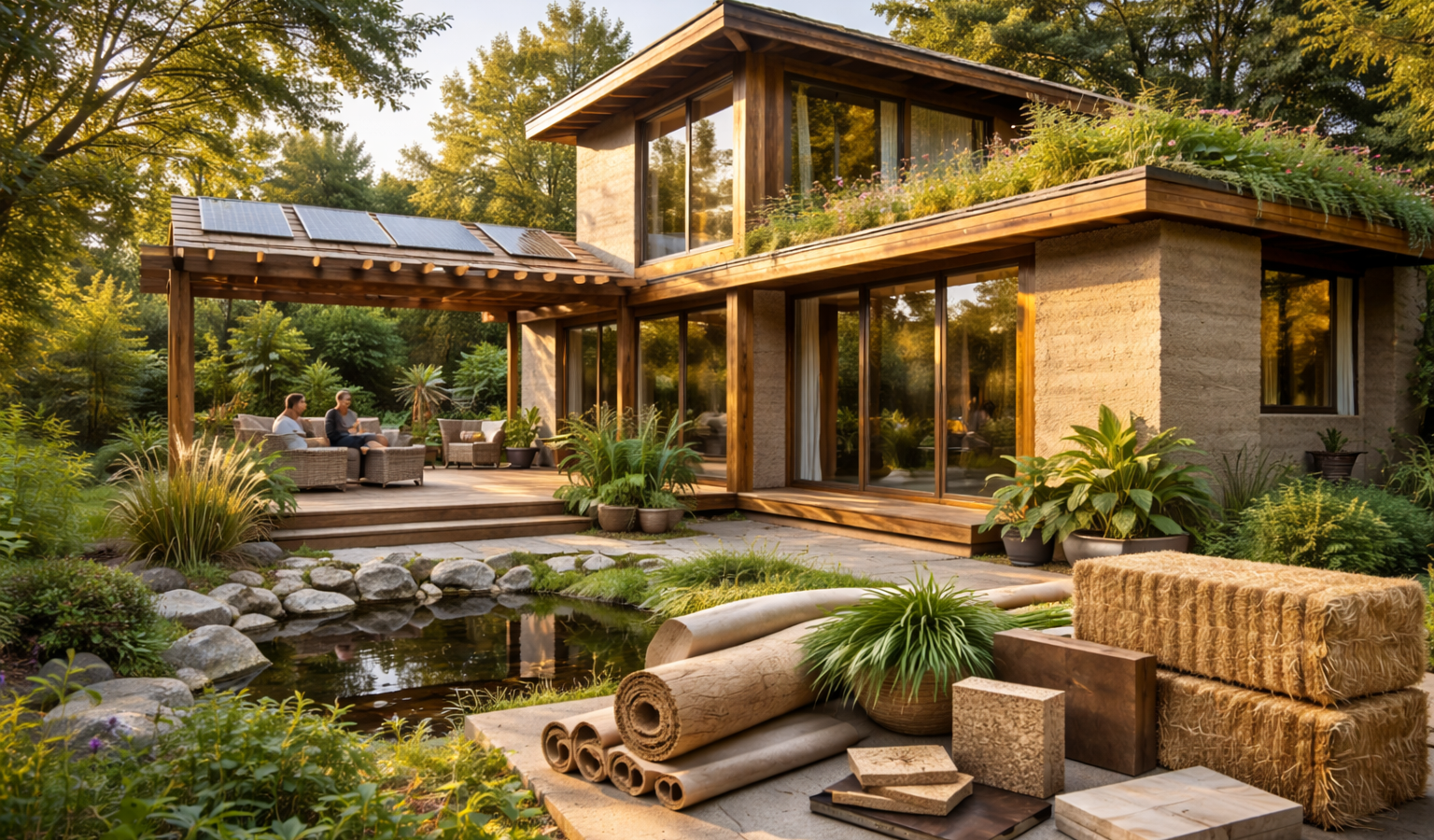
Architecture and construction are undergoing a structural transformation as environmental priorities reshape industry standards. Among the most significant shifts are sustainable building materials influencing design, redefining how architects plan structures, how developers allocate budgets, and how cities approach long-term resilience.
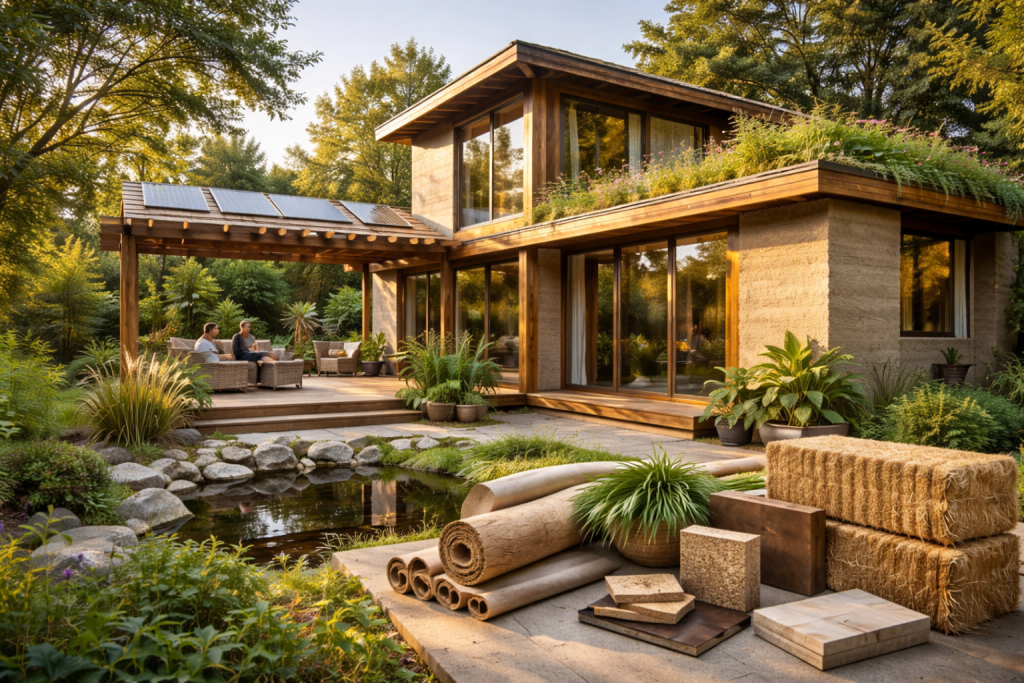
Buildings account for a substantial share of global carbon emissions, energy consumption, and material waste. As a result, material selection has become central to climate strategy. However, sustainability is no longer treated as a secondary feature added late in the design process. Instead, materials now guide architectural form, structural systems, and aesthetic direction from the earliest planning stages.
Sustainable building materials influencing design are changing the relationship between performance, beauty, durability, and environmental responsibility. This article explores how emerging materials and construction practices are shaping contemporary architecture across residential, commercial, and urban projects.
Why Materials Matter in Sustainable Architecture
The environmental impact of a building extends beyond operational energy use. Embodied carbon—the emissions associated with extracting, manufacturing, transporting, and installing materials—represents a significant portion of a building’s lifetime footprint.
According to the World Green Building Council, embodied carbon can account for nearly half of total emissions in new construction over the building lifecycle. Consequently, architects and engineers are increasingly prioritizing low-carbon materials at the design stage.
Material choice influences structural systems, insulation strategies, façade performance, and interior finishes. Therefore, sustainable building materials influencing design are not merely substitutions; they often require rethinking construction methods altogether.
Mass Timber and Engineered Wood
One of the most visible sustainable building materials influencing design is mass timber. Cross-laminated timber (CLT), glue-laminated beams, and other engineered wood products have gained global attention as alternatives to steel and concrete.
Mass timber offers several environmental advantages:
- Renewable sourcing from responsibly managed forests
- Lower embodied carbon compared to conventional materials
- Carbon sequestration within structural components
- Faster on-site construction due to prefabrication
Architecturally, timber introduces warmth and aesthetic versatility. Exposed wood interiors create biophilic design environments that connect occupants with natural materials.
The International Energy Agency notes that sustainable forestry practices combined with engineered wood innovation can significantly reduce construction-sector emissions. However, sourcing transparency and fire safety regulations remain important considerations.
Low-Carbon Concrete Innovations
Concrete remains one of the most widely used construction materials worldwide. However, traditional cement production generates high carbon emissions.
To address this, manufacturers are developing low-carbon concrete alternatives. These include supplementary cementitious materials such as fly ash and slag, as well as carbon-capture technologies that inject CO₂ into curing processes.
Sustainable building materials influencing design increasingly incorporate these alternatives to reduce embodied emissions without sacrificing structural performance.
Architects may adjust structural forms to optimize material efficiency. For example, thinner slabs, modular components, and hybrid systems combining timber and concrete reduce overall material demand.
According to the Global Cement and Concrete Association, industry innovation is accelerating in response to climate targets.
Recycled and Reclaimed Materials
Circular economy principles are also shaping design decisions. Recycled steel, reclaimed wood, repurposed bricks, and recycled insulation materials reduce extraction demand and divert waste from landfills.
Using reclaimed materials often influences aesthetic outcomes. Exposed brick walls or recycled timber beams introduce unique textures and historical character into modern spaces.
Furthermore, modular construction techniques enable disassembly and reuse at the end of a building’s life cycle. Designing for deconstruction ensures that materials retain value beyond initial installation.
The Ellen MacArthur Foundation emphasizes circular construction as a key strategy in reducing material waste and improving lifecycle efficiency.
Natural Insulation and Healthy Interiors
Sustainable building materials influencing design also include natural insulation options such as cellulose, sheep’s wool, cork, and hemp-based panels.
These materials offer thermal performance while reducing reliance on petrochemical-based insulation. In addition, they improve indoor air quality by minimizing volatile organic compound emissions.
Interior designers increasingly prioritize healthy material choices, particularly in residential and educational projects. Non-toxic finishes and low-emission paints contribute to occupant well-being.
As health considerations become integrated with sustainability, material selection supports both environmental and human-centered design goals.
Green Roofing and Living Walls
Green roofs and vertical gardens are no longer niche design elements. They are becoming integrated components of sustainable architecture.
Living roofs provide insulation, manage stormwater runoff, and reduce urban heat island effects. Similarly, green façades improve air quality and create visual connection with nature.
Sustainable building materials influencing design extend to structural supports capable of carrying additional vegetation loads. Designers must incorporate waterproof membranes, drainage layers, and soil systems compatible with building envelopes.
The U.S. Environmental Protection Agency identifies green infrastructure as a climate adaptation strategy, particularly in urban environments vulnerable to flooding and heat stress.
Adaptive Reuse and Material Preservation
One of the most sustainable building strategies is preserving existing structures. Adaptive reuse projects transform outdated buildings into functional spaces while retaining original materials and structural frameworks.
Repurposing warehouses into residential lofts or converting industrial buildings into offices reduces demolition waste and embodied carbon associated with new construction.
Sustainable building materials influencing design in adaptive reuse projects often require careful restoration rather than replacement. Architects must balance historical preservation with modern performance standards.
This approach supports cultural continuity while minimizing environmental impact.
Biodegradable and Bio-Based Materials
Innovation in bio-based materials is expanding rapidly. Materials derived from agricultural byproducts, algae, and mycelium are entering experimental and commercial markets.
Mycelium-based panels, for instance, offer lightweight insulation and compostable properties. Hempcrete—made from hemp fibers and lime—provides thermal efficiency and carbon sequestration potential.
These materials influence design flexibility. Because bio-based materials may have different load-bearing capacities than conventional materials, structural planning must adapt accordingly.
The development of biodegradable materials aligns construction with regenerative environmental models.
Energy-Generating Materials
Sustainability is also driving integration between materials and energy systems. Building-integrated photovoltaics (BIPV) embed solar panels directly into façades and roofing systems.
Transparent solar glass and energy-producing cladding systems transform building envelopes into power-generating surfaces.
Sustainable building materials influencing design increasingly combine structural and energy functions, reducing reliance on separate mechanical installations.
This integration requires careful orientation planning, façade design adjustments, and long-term maintenance strategies.
Cost Considerations and Market Adoption
One common barrier to sustainable material adoption is perceived cost. However, lifecycle analysis often demonstrates long-term savings through reduced maintenance, energy efficiency, and durability.
As production scales increase, prices for sustainable materials continue to decline. Government incentives and green building certifications further support adoption.
The World Green Building Council reports that sustainable buildings often command higher asset values and attract environmentally conscious tenants. Market demand is therefore reinforcing material innovation.
Developers are increasingly viewing sustainability as a competitive advantage rather than a regulatory burden.
Regulatory Frameworks and Certification
Building codes and environmental regulations significantly influence material selection. Many countries have introduced carbon reduction targets within construction sectors.
Green building certification systems such as LEED and BREEAM encourage material transparency and performance verification. These frameworks prioritize lifecycle assessment and environmental product declarations.
As regulatory standards tighten, sustainable building materials influencing design will likely become standard practice rather than optional upgrades.
The Role of Technology and Digital Modeling
Advanced modeling tools support sustainable material integration. Building Information Modeling (BIM) systems allow architects to simulate energy performance and carbon impact before construction begins.
Lifecycle assessment software calculates embodied carbon for various material scenarios. This data-driven approach ensures that sustainability decisions are measurable and transparent.
Technology also supports prefabrication and modular design, reducing on-site waste and improving efficiency.
Future Outlook
Sustainable building materials influencing design will continue evolving as climate targets intensify. Carbon pricing mechanisms, investor pressure, and public awareness are accelerating industry change.
Emerging materials may shift structural norms entirely. Hybrid systems combining timber, recycled steel, and low-carbon concrete are already redefining skyscraper construction.
At the same time, local sourcing strategies are gaining attention. Reducing transportation emissions by sourcing regional materials supports economic resilience and environmental responsibility.
Innovation will likely focus on scalability and affordability, ensuring that sustainable design principles extend beyond luxury developments into mainstream housing.
Conclusion
Sustainable building materials influencing design represent a fundamental transformation in architecture and construction. From mass timber and low-carbon concrete to recycled materials and bio-based innovations, material selection now drives environmental performance and aesthetic identity simultaneously.
As embodied carbon becomes central to climate strategy, architects and developers must integrate sustainability at every design stage. Technological tools, regulatory frameworks, and market demand are aligning to accelerate this transition.
Ultimately, sustainable materials are not simply environmental substitutes. They are catalysts for reimagining how buildings function, how cities evolve, and how communities reduce ecological impact. By prioritizing responsible material choices, the construction industry contributes directly to climate resilience and long-term sustainability.
References
World Green Building Council – Embodied Carbon Report: https://www.worldgbc.org
International Energy Agency – Buildings and Construction: https://www.iea.org
Global Cement and Concrete Association – Low Carbon Innovation: https://www.gccassociation.org
Ellen MacArthur Foundation – Circular Economy in Construction: https://www.ellenmacarthurfoundation.org