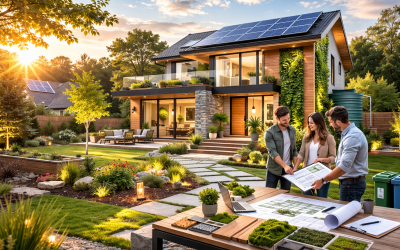
Energy efficiency has shifted from a niche consideration to a mainstream expectation in residential real estate. Rising utility costs, changing buyer priorities, and long-term affordability concerns are reshaping how homes are evaluated. Today, energy-efficient homes gaining buyer interest reflect a broader focus on operating costs, comfort, and resilience rather than environmental messaging alone.
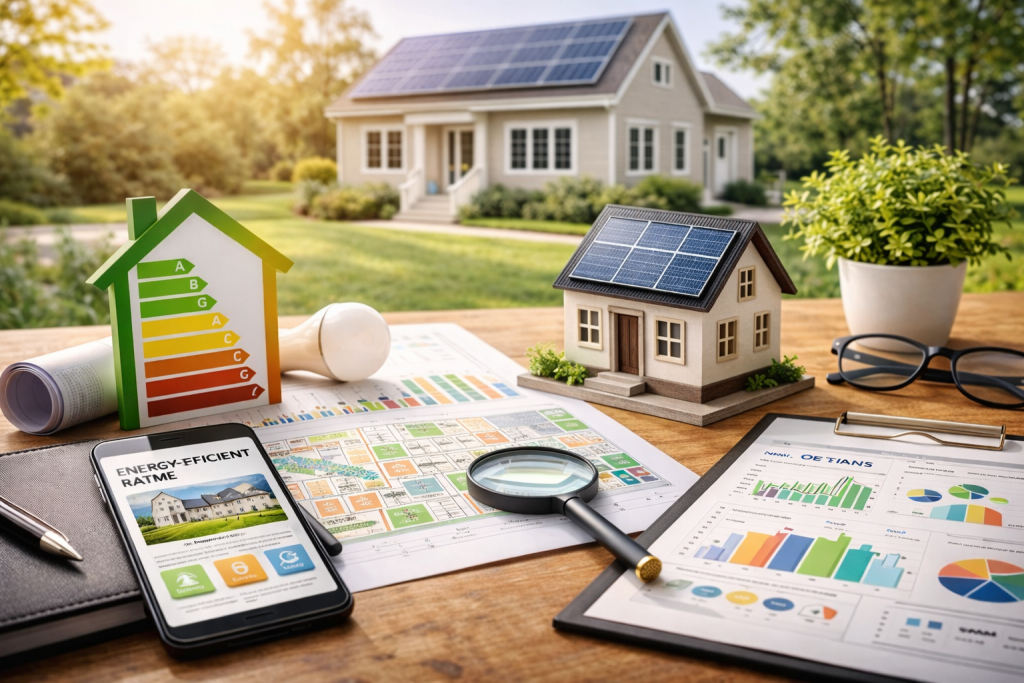
This article explores why buyers increasingly prioritize energy efficiency, which features attract the most attention, and how energy-focused design and upgrades influence demand, pricing, and long-term housing decisions.
Why energy efficiency matters more to buyers today
Energy costs now represent a significant and unpredictable portion of household expenses. As a result, buyers look beyond purchase price to evaluate long-term affordability.
Several factors explain why energy-efficient homes gaining buyer interest has become a clear market trend:
- Higher and more volatile energy prices
- Increased awareness of monthly operating costs
- Longer expected homeownership periods
- Greater time spent at home
- Improved visibility of energy performance information
Energy efficiency is increasingly viewed as a practical financial consideration rather than an optional upgrade.
Operating costs influencing purchase decisions
Buyers increasingly calculate total cost of ownership when evaluating homes. Utility expenses play a larger role in this assessment than in previous market cycles.
Key cost-related considerations include:
- Heating and cooling efficiency
- Seasonal energy demand
- Stability of monthly utility bills
- Potential for future cost increases
Energy-efficient homes gaining buyer interest often appeal because they reduce uncertainty around ongoing expenses.
Insulation and building envelope performance
The building envelope plays a central role in energy efficiency. Buyers increasingly recognize the value of homes that retain heat in winter and remain cool in summer.
Highly valued features include:
- Modern wall and roof insulation
- High-performance windows
- Reduced air leakage
- Thoughtful orientation and shading
These features contribute to comfort as well as cost control, strengthening buyer appeal.
Heating and cooling system efficiency
Mechanical systems significantly influence energy use. Buyers pay close attention to the age, condition, and efficiency of heating and cooling equipment.
Common buyer preferences include:
- Modern, efficient HVAC systems
- Zoned temperature control
- Systems sized appropriately for the home
- Clear maintenance and service history
Energy-efficient homes gaining buyer interest often benefit from updated systems that signal reliability and lower future costs.
Smart energy management features
Technology increasingly supports energy efficiency by improving control and transparency.
Buyers respond positively to:
- Smart thermostats
- Energy monitoring tools
- Programmable climate controls
- Automation that reduces unnecessary energy use
These features help buyers visualize how energy efficiency translates into daily savings.
Lighting efficiency and design
Lighting upgrades represent a visible and accessible form of efficiency.
Buyer-valued lighting features include:
- Energy-efficient fixtures
- LED lighting throughout the home
- Well-designed natural lighting
- Outdoor lighting that balances safety and efficiency
Lighting improvements enhance both energy performance and visual comfort.
Appliance efficiency influencing buyer perception
Appliances contribute significantly to household energy use. Buyers often consider appliance efficiency when comparing homes.
Preferred appliance-related features include:
- Modern, energy-efficient models
- Consistent appliance quality across the home
- Clear indication of performance and condition
Energy-efficient homes gaining buyer interest often include appliances that align with overall efficiency goals.
Comfort as a driver of efficiency demand
Comfort plays a major role in how buyers perceive energy efficiency. Homes that maintain consistent temperatures feel more livable.
Comfort-related benefits include:
- Fewer drafts
- Even heating and cooling
- Reduced noise from mechanical systems
- Improved indoor air quality
Buyers increasingly associate efficiency with quality of living rather than technical specifications.
Resilience and reliability considerations
Energy-efficient homes often perform better during extreme weather conditions. Buyers now factor resilience into purchase decisions.
Resilience-related considerations include:
- Reduced strain on systems during heat or cold
- Improved performance during power disruptions
- Lower risk of moisture and condensation issues
Energy-efficient homes gaining buyer interest often align with concerns about climate variability and reliability.
Energy performance transparency
Access to information has changed how buyers evaluate efficiency. Documentation and visible indicators influence confidence.
Common forms of transparency include:
- Energy performance certificates
- Utility cost history
- Documentation of upgrades
- Clear system specifications
Buyers respond more positively when efficiency claims are supported by data.
Renovation versus new construction efficiency
Both new and existing homes can attract efficiency-focused buyers, but approaches differ.
In existing homes, buyers value:
- Recent insulation upgrades
- Updated windows and systems
- Evidence of consistent maintenance
In newer homes, buyers expect efficiency to be integrated into design rather than added later.
Impact on resale value and marketability
Energy efficiency increasingly influences resale appeal. Homes with lower operating costs often attract more interest and sell more easily.
Resale-related benefits include:
- Broader buyer appeal
- Reduced negotiation around future costs
- Stronger performance during cautious markets
- Alignment with long-term trends
Energy-efficient homes gaining buyer interest often maintain relevance across market cycles.
Regional variation in efficiency priorities
Efficiency priorities vary by climate and region.
Regional differences include:
- Heating efficiency in colder climates
- Cooling efficiency in warmer regions
- Insulation and ventilation needs
- Local energy pricing structures
Buyers adjust expectations based on regional conditions, but efficiency remains broadly valued.
Policy and incentives shaping buyer awareness
Public policy influences awareness and adoption of energy-efficient features.
Relevant policy-related factors include:
- Building standards and codes
- Incentives for efficiency upgrades
- Disclosure requirements
- Public information campaigns
These measures increase visibility and normalize efficiency as a standard expectation.
Trade-offs buyers consider when evaluating efficiency
Buyers balance efficiency benefits against other factors.
Common trade-offs include:
- Purchase price versus operating cost
- Efficiency upgrades versus location preference
- Modern systems versus layout features
Energy-efficient homes gaining buyer interest succeed when efficiency complements, rather than replaces, core housing priorities.
What buyers often misunderstand about energy efficiency
Some efficiency features are misunderstood or undervalued.
Common gaps include:
- Underestimating insulation impact
- Overemphasizing visible technology
- Misjudging system age versus performance
Education and clear communication help bridge these gaps.
Role of professionals in evaluating efficiency
Buyers increasingly rely on inspections and assessments to evaluate efficiency claims.
Professional input includes:
- Energy audits
- System inspections
- Cost-benefit assessments
- Upgrade recommendations
These evaluations influence confidence and decision-making.
Long-term planning and efficiency
Energy efficiency supports long-term housing stability.
Long-term benefits include:
- Predictable operating costs
- Reduced maintenance pressure
- Increased comfort over time
- Alignment with future standards
Energy-efficient homes gaining buyer interest often appeal to buyers planning longer stays.
What to watch in future efficiency trends
Several developments are likely to influence buyer interest further:
- Greater emphasis on whole-home performance
- Integration of efficiency into standard design
- Improved energy data availability
- Continued focus on cost control
Efficiency is expected to remain central to housing demand.
Final thoughts
Energy efficiency has become a defining factor in how buyers evaluate homes. Understanding energy-efficient homes gaining buyer interest helps explain why operating costs, comfort, and reliability now influence purchase decisions as strongly as size or style.
As buyers plan for longer ownership periods and manage rising living costs, energy-efficient homes offer practical advantages that extend beyond initial purchase. These features are no longer optional enhancements, but core components of modern housing value.
References
- International Energy Agency – Residential energy efficiency and housing performance https://www.iea.org
- OECD – Energy efficiency in buildings and housing policy https://www.oecd.org/energy
- U.S. Department of Energy – Home energy efficiency and performance https://www.energy.gov
- Pew Research Center – Public attitudes toward energy use and housing https://www.pewresearch.org