Modern schedules often leave little time for lengthy relaxation routines, yet stress levels remain high across workplaces, schools, and households. Many people assume stress management requires long meditation sessions, extended exercise routines, or weekend getaways. In reality, small moments throughout the day can create a meaningful difference in mental clarity and emotional balance. Understanding the stress-relief practices that fit into small breaks gives individuals accessible tools to reset quickly, stay grounded, and manage daily pressure-even with only a few minutes to spare.
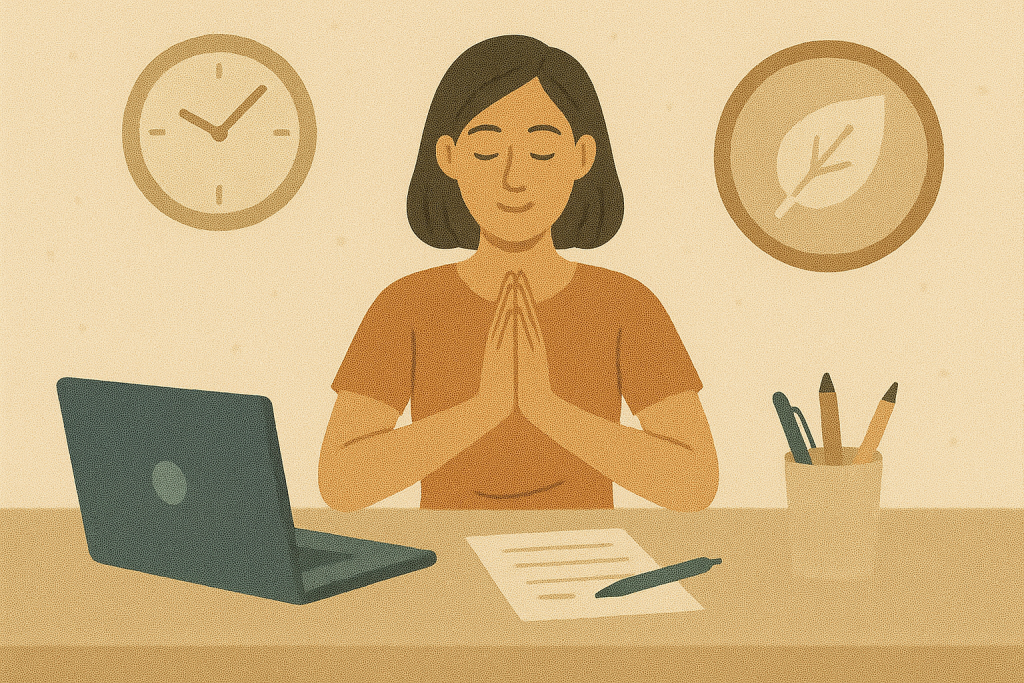
These practices reflect a growing shift toward micro-wellness habits: short, effective activities that support the nervous system, improve focus, and reduce anxiety without disrupting productivity. They work well for remote workers, busy professionals, students, and anyone seeking quick strategies that strengthen resilience.
Why Small Stress-Relief Practices Are So Effective
Stress accumulates gradually throughout the day. Without moments to reset, physical and mental tension builds, eventually affecting decision-making, productivity, and well-being. Short breaks interrupt this cycle, giving the body time to recalibrate.
Research from the American Psychological Association shows that taking brief, intentional pauses improves cognitive performance and lowers stress hormones. Even a few minutes of breathing, stretching, or mindful grounding can reduce emotional overload. That’s why stress-relief practices that fit into small breaks have become essential for maintaining balance in fast-paced environments.
Mindful Breathing Techniques for Quick Relief
Controlled breathing activates the parasympathetic nervous system, signaling the body to relax. These techniques take less than a minute but can shift mood and energy almost instantly.
1. Box Breathing
- Inhale for 4 seconds
- Hold for 4
- Exhale for 4
- Hold for 4
This method reduces anxiety and enhances focus, making it popular among athletes and professionals.
2. The 4-7-8 Method
- Inhale for 4
- Hold for 7
- Exhale for 8
This approach helps slow heart rate and release physical tension.
3. Simple Deep Breathing
Taking 5 slow breaths with full exhales can calm stress quickly when time is short.
Breathing exercises remain one of the easiest stress-relief practices that fit into small breaks, requiring no tools or privacy.
Quick Physical Movements to Reset the Body
Stress is stored in the muscles just as much as in the mind. Light movement releases tension, improves circulation, and helps oxygen flow more efficiently.
1. Shoulder Rolls
Rolling shoulders forward and backward helps loosen tight upper-body muscles, especially for people who sit for long periods.
2. Neck Mobility
Gently tilting the head side to side or stretching the neck muscles decreases stiffness and relieves stress from posture.
3. Desk Stretch Routine
Even a 30-second stretch of the back, wrists, or hips improves comfort and posture.
4. Standing and Shaking Out Limbs
A quick shake-out releases tension and re-energizes the body.
These movements work well in offices, study spaces, or at home without requiring gym equipment.
Grounding Techniques for Mental Clarity
Grounding brings the mind back to the present moment, reducing overthinking and emotional overwhelm.
The 5-4-3-2-1 Method
Identify:
- 5 things you can see
- 4 things you can touch
- 3 things you can hear
- 2 things you can smell
- 1 thing you can taste
This sensory reset helps quiet racing thoughts and improve focus.
The One-Minute Reset
Look at one object, observe its details, and breathe calmly.
This simple act centers attention and reduces mental tension.
Grounding techniques are among the most reliable stress-relief practices that fit into small breaks, especially during emotionally demanding days.
Quick Journaling Practices for Emotional Release
Short writing exercises help the brain process stress and organize thoughts. They can be done in under three minutes.
Helpful prompts include:
- “What is one thing I can control right now?”
- “What emotion am I feeling, and why?”
- “What is a small step I can take to feel better today?”
Brain-dump journaling-writing down all thoughts rapidly-stops mental clutter from building.
Mini Meditation Sessions
Meditation doesn’t require long sessions. Micro-meditations produce meaningful benefits even in short bursts.
Micro-Meditation Ideas:
- Close your eyes for 60 seconds and focus on breathing
- Repeat a calming phrase or affirmation
- Listen to a one-minute guided meditation
Apps like Calm.com, InsightTimer.com, and Headspace.com offer short sessions specifically designed for busy schedules.
Sensory-Based Stress-Relief Tools
Small accessories can offer immediate comfort when used intentionally.
Useful items include:
- Aromatherapy inhalers
- Stress balls
- Cooling eye masks
- Texture objects such as smooth stones
- Warm tea for a calming sensory moment
Lavender, peppermint, and eucalyptus scents are well-researched for reducing stress and improving mood.
Mental Reframing in Under a Minute
Changing internal dialogue helps shift perspective quickly. Reframing is effective for managing frustration, anxiety, or overwhelm.
Examples of quick reframes:
- Instead of “I’m too busy,” think “I will focus on one task at a time.”
- Instead of “I can’t handle this,” think “I can break this down.”
- Instead of “Everything is going wrong,” think “This moment feels hard, but I can respond calmly.”
These micro-shifts improve emotional regulation and resilience.
Technology-Based Stress Support
Digital tools offer fast, guided resources that fit into short breaks.
Popular small-break digital tools:
- One-minute meditation videos
- Breathwork timers
- Short soundscapes for relaxation
- Stress tracking apps
These tools complement the stress-relief practices that fit into small breaks by providing structure when users need quick support.
Nature-Based Mini Breaks
Even brief exposure to nature lowers stress levels. When outdoor access is limited, small environmental shifts still make a difference.
Nature-inspired resets include:
- Looking out a window at trees or sky
- Standing on a balcony for fresh air
- Using nature-themed audio tracks
- Surrounding your desk with plants
Research from the University of Minnesota and Healthline.com shows that viewing natural scenes-even digitally-can reduce cortisol levels.
Social Micro-Connections
Human connection is a powerful stress reliever, even in small doses.
Examples:
- A 30-second friendly message
- A quick check-in with a coworker
- A short call to someone supportive
These small interactions reinforce belonging, which reduces stress.
Hydration and Mindful Snacking
Dehydration increases irritability and fatigue. Taking a one-minute hydration break is a simple yet powerful stress reset.
Healthy snacks-nuts, fruit, yogurt-can stabilize blood sugar and improve mood. These small habits complement emotional and mental stress-relief routines.
How to Build a Stress-Relief Routine Using Small Breaks
1. Choose 2-3 practices you can do anywhere
Breathing, stretching, and grounding are great starters.
2. Add structure
Schedule 1-3 small breaks per day, even if only one minute each.
3. Avoid multitasking
Fully focusing on the break improves its impact.
4. Track what works
Everyone responds differently; consistency helps identify the most effective routines.
These steps strengthen the habit of using stress-relief practices that fit into small breaks as a daily support system.
Conclusion
Stress management does not need to be time-consuming. With the right strategies, even one-minute resets can make each day more manageable. The stress-relief practices that fit into small breaks-from breathing and grounding techniques to micro-meditations and quick movements-provide powerful tools for calming the nervous system and improving focus. These small habits deliver meaningful results when practiced consistently, helping individuals build resilience and maintain emotional balance in demanding environments.
Sources
- American Psychological Association – www.apa.org
- Healthline – www.healthline.com/health/stress-relief
- Calm – www.calm.com
- Verywell Mind – www.verywellmind.com