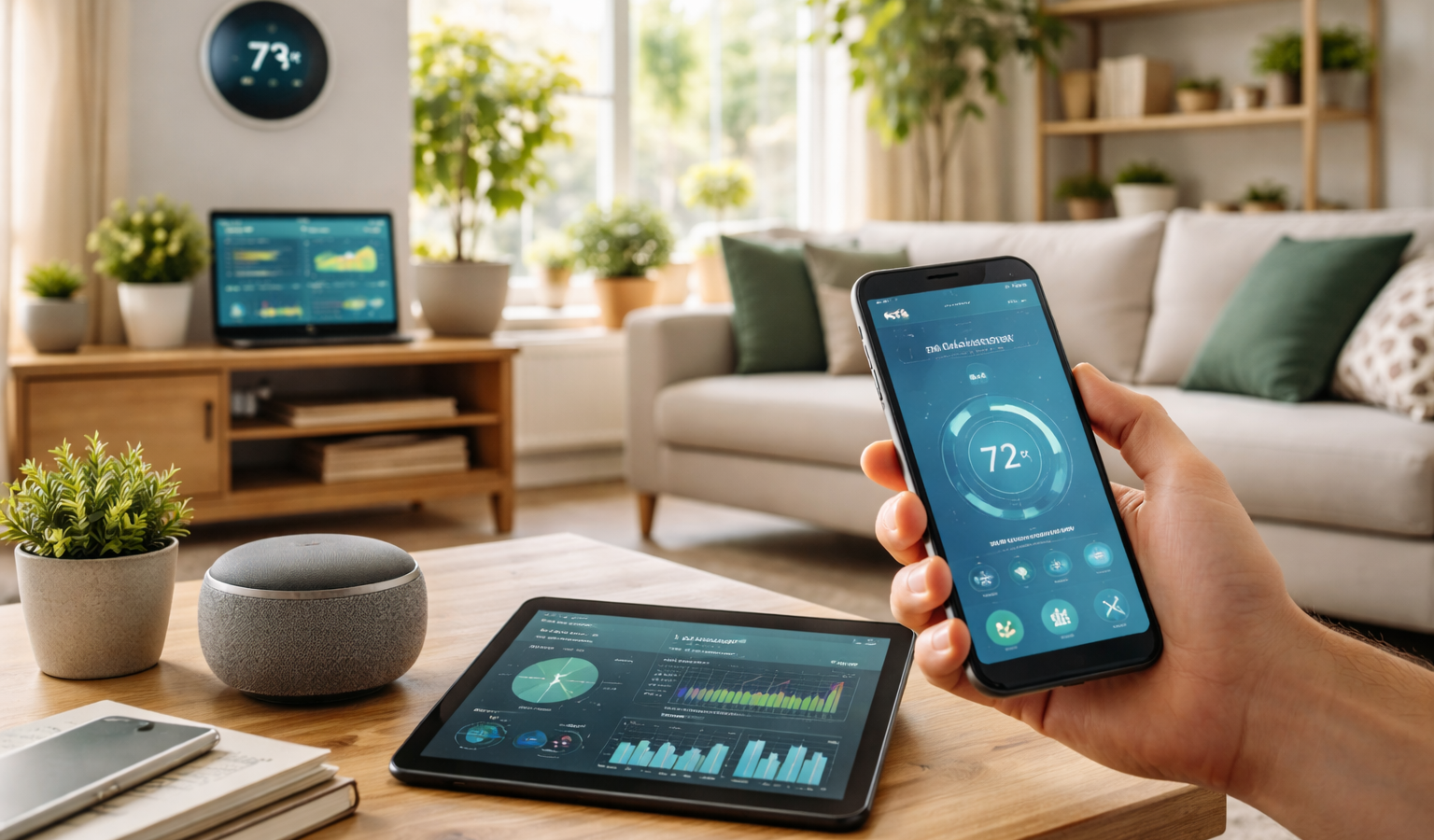
Rising energy costs, climate concerns, and growing demand for convenience have accelerated adoption of intelligent home systems. Today, smart living technology supporting energy savings is transforming how households monitor, manage, and reduce energy consumption. From connected thermostats to AI-driven lighting systems, digital tools are making efficiency more accessible and measurable.
Energy efficiency is no longer limited to insulation upgrades or efficient appliances. It increasingly involves real-time data, automation, and predictive analytics. Smart systems allow homeowners to adjust usage patterns based on occupancy, weather conditions, and price signals.
Understanding how smart living technology supporting energy savings functions provides insight into both environmental impact reduction and long-term financial benefits for households.
The Evolution of Smart Home Systems
Smart home technology has evolved from basic programmable thermostats to fully integrated ecosystems. Devices communicate through centralized platforms, enabling coordinated control over heating, cooling, lighting, and appliances.
According to the International Energy Agency, digital technologies are becoming central to global energy efficiency strategies. Smart systems provide visibility into consumption patterns that were previously difficult to track.
This shift empowers homeowners to make informed decisions. Instead of relying on monthly utility bills as the only indicator of usage, real-time dashboards provide immediate feedback.
Smart living technology supporting energy savings integrates monitoring with automation, creating responsive energy management systems.
Smart Thermostats and Climate Control
Heating and cooling systems account for a significant portion of residential energy use. Smart thermostats adjust temperature settings automatically based on occupancy and learning algorithms.
These devices analyze behavioral patterns to optimize comfort while reducing unnecessary consumption. For example, they may lower heating when residents are away and restore settings before arrival.
The U.S. Department of Energy reports that programmable temperature adjustments can significantly reduce annual heating and cooling expenses. Smart thermostats enhance this efficiency by eliminating manual oversight.
Integration with weather forecasts further improves performance. Temperature adjustments align with anticipated external conditions, preventing energy waste.
Intelligent Lighting Systems
Lighting technology has advanced rapidly in recent years. LED bulbs already consume less electricity than traditional incandescent options. However, when combined with smart controls, efficiency increases further.
Motion sensors, daylight detection, and automated scheduling prevent lights from remaining on unnecessarily.
The U.S. Environmental Protection Agency notes that energy-efficient lighting plays a substantial role in reducing residential electricity demand.
Smart living technology supporting energy savings enhances lighting efficiency through adaptive brightness and centralized control systems.
Smart Appliances and Energy Monitoring
Connected appliances such as refrigerators, washing machines, and dishwashers now incorporate energy-monitoring capabilities.
These appliances can operate during off-peak hours when electricity rates are lower. In regions with time-of-use pricing, automated scheduling reduces costs.
Real-time energy monitors provide granular insight into which devices consume the most electricity. This transparency encourages behavioral adjustments and informed purchasing decisions.
According to the World Economic Forum, digitalization in energy management improves both consumer awareness and system-wide efficiency.
Smart living technology supporting energy savings extends beyond automation to include data-driven behavioral change.
Renewable Energy Integration
Many smart home systems integrate seamlessly with renewable energy sources such as rooftop solar panels. Energy management platforms monitor solar generation and coordinate consumption accordingly.
Excess energy may be stored in home battery systems for later use. Intelligent controls determine when to draw from stored power versus the grid.
The International Renewable Energy Agency emphasizes that digital energy management enhances renewable integration efficiency.
Smart living technology supporting energy savings supports decentralization of energy production while optimizing consumption patterns.
Demand Response and Grid Coordination
Electric grids operate most efficiently when demand remains stable. Smart home systems participate in demand response programs, adjusting usage during peak periods.
For example, thermostats may temporarily reduce cooling during high-demand hours. In return, homeowners may receive financial incentives.
The U.S. Federal Energy Regulatory Commission has highlighted demand response as an effective strategy for improving grid stability and reducing infrastructure strain.
By participating in grid coordination programs, households contribute to broader energy resilience.
Artificial Intelligence and Predictive Efficiency
Artificial intelligence plays an expanding role in smart home ecosystems. AI systems analyze historical data to predict future energy needs.
Predictive modeling anticipates seasonal shifts and occupancy changes. This proactive adjustment reduces unnecessary energy consumption.
Deloitte’s research on digital transformation in energy markets indicates that AI-driven efficiency tools improve operational performance at both household and utility levels.
Smart living technology supporting energy savings increasingly incorporates predictive analytics to optimize performance automatically.
Water and Energy Efficiency Integration
Energy savings often intersect with water efficiency. Smart irrigation systems monitor soil moisture and weather conditions, reducing overwatering.
Water heaters connected to smart systems adjust heating cycles based on usage patterns.
The Environmental Protection Agency identifies water heating as a major contributor to residential energy use. Smart systems optimize both water and electricity consumption.
Integrated resource management enhances overall household sustainability.
Cost Considerations and Return on Investment
While smart devices require initial investment, long-term savings often offset costs. Reduced energy bills accumulate over time.
Utility rebate programs in many regions incentivize installation of energy-efficient devices.
However, savings depend on consistent use and proper configuration. Homeowners must ensure systems are optimized rather than simply installed.
Smart living technology supporting energy savings delivers measurable financial return when integrated effectively.
Privacy and Cybersecurity Concerns
As homes become increasingly connected, data privacy considerations emerge. Smart devices collect usage information that may reveal occupancy patterns.
Manufacturers and consumers must prioritize encryption, secure networks, and transparent data policies.
The National Institute of Standards and Technology emphasizes cybersecurity standards for connected devices.
Balancing convenience with data protection is essential for sustainable adoption of smart energy systems.
Environmental Impact and Carbon Reduction
Residential energy consumption contributes significantly to greenhouse gas emissions. Reducing household demand supports broader climate mitigation goals.
The United Nations Environment Programme highlights energy efficiency as a cornerstone of climate strategy.
Smart living technology supporting energy savings aligns individual household behavior with global sustainability objectives.
Widespread adoption can reduce peak demand and support renewable energy integration at scale.
Accessibility and Equity Challenges
Despite benefits, access to smart technology remains uneven. Upfront device costs and digital literacy barriers may limit adoption among lower-income households.
Policymakers and utility companies increasingly offer subsidy programs to expand participation.
Ensuring equitable access strengthens overall energy system resilience and prevents widening efficiency gaps.
Smart living technology supporting energy savings must remain inclusive to maximize impact.
Long-Term Outlook
As smart grid infrastructure expands, integration between utilities and households will deepen. Advanced metering systems will enable real-time pricing adjustments and automated optimization.
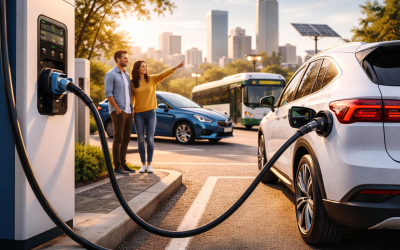
Emerging technologies such as vehicle-to-home integration allow electric vehicles to function as energy storage units.
Continued innovation will likely reduce hardware costs and improve user-friendly interfaces.
The convergence of renewable energy, digital monitoring, and AI-driven automation will further enhance smart living ecosystems.
Conclusion
Smart living technology supporting energy savings represents a transformative shift in how households manage electricity and resource consumption. Through intelligent thermostats, adaptive lighting, renewable integration, and predictive analytics, homeowners gain control over both cost and environmental impact.
While privacy, accessibility, and initial cost challenges persist, technological advancement continues to expand opportunity. By combining automation with informed behavior, smart living systems contribute to reduced emissions, lower utility bills, and improved grid stability.
As energy demands grow and climate challenges intensify, smart home ecosystems will remain central to sustainable residential development. Responsible adoption and equitable access will determine the scale of long-term impact.
References
International Energy Agency – Digitalization and Energy Efficiency: https://www.iea.org
U.S. Department of Energy – Energy Saver Guide: https://www.energy.gov
U.S. Environmental Protection Agency – Residential Energy Efficiency: https://www.epa.gov
United Nations Environment Programme – Energy and Climate Action: https://www.unep.org