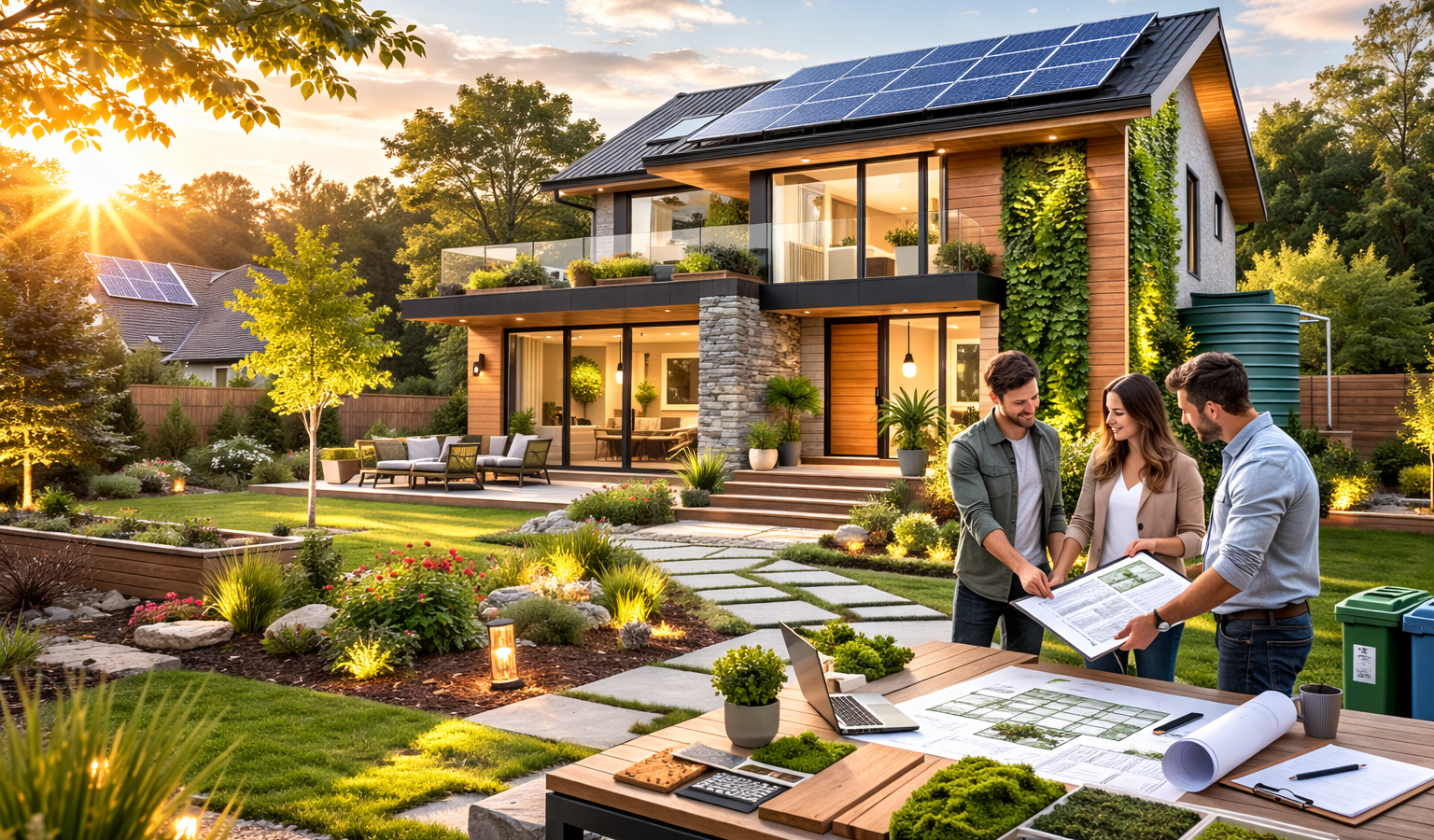
As the demand for sustainability continues to rise in both residential and commercial real estate, property owners and developers are increasingly turning to green building materials to enhance their properties’ value. Not only do these materials help reduce environmental impact, but they can also lead to long-term savings, improved indoor air quality, and higher resale values. If you’re considering eco-friendly renovations or new construction, understanding which green building materials provide the best return on investment is crucial. In this article, we’ll explore the top green materials that can increase property value, while also improving energy efficiency and reducing maintenance costs.
1. Energy-Efficient Insulation
One of the most effective ways to increase property value through green building materials is by upgrading insulation. Proper insulation reduces the need for heating and cooling, directly impacting energy costs. Materials such as cellulose, spray foam, and recycled cotton are highly energy-efficient options.
- Cellulose insulation: Made from recycled paper products, cellulose is an eco-friendly material that provides superior thermal performance.
- Spray foam insulation: Known for its high insulation value, spray foam also helps to seal air leaks, further improving energy efficiency.
- Recycled cotton: This biodegradable option is a natural material that adds value while being sustainable and non-toxic.
Insulation upgrades not only provide financial benefits through reduced utility bills but also make properties more attractive to eco-conscious buyers.
2. Solar Panels
Solar panels have become one of the most sought-after green building materials in the real estate market. These systems harness renewable energy from the sun, reducing reliance on traditional electricity sources, and often leading to significant energy savings for homeowners and businesses alike.
- Increased energy independence: Solar panels allow property owners to produce their own electricity, leading to long-term cost savings.
- Government incentives: Many regions offer tax credits and rebates to those who install solar panels, further improving the return on investment.
- High resale value: Properties equipped with solar energy systems tend to sell faster and at higher prices due to the growing interest in sustainability.
Investing in solar panels increases the overall energy efficiency of a property, making it highly appealing to buyers looking for homes with lower utility costs.
3. Recycled and Sustainable Flooring Materials
Flooring plays a significant role in a home’s aesthetic appeal, and using green materials can improve both the look and sustainability of a property. Sustainable flooring options such as bamboo, cork, and reclaimed wood not only reduce the environmental impact of construction but also enhance property value.
- Bamboo: A fast-growing grass that regenerates quickly, bamboo is a durable, stylish, and eco-friendly alternative to hardwood flooring.
- Cork: Made from the bark of cork oak trees, cork is a renewable resource that provides comfort and noise reduction while being naturally resistant to mold and mildew.
- Reclaimed wood: Using salvaged wood from old buildings or furniture gives new life to old materials and can add a rustic charm to a property.
Sustainable flooring materials are not only a selling point for buyers looking for environmentally conscious options but also contribute to energy efficiency and air quality.
4. Low-VOC Paints and Finishes
Indoor air quality is an essential consideration when choosing building materials. Low-VOC (volatile organic compound) paints and finishes are increasingly popular in both residential and commercial spaces. These paints contain fewer harmful chemicals, improving the air quality inside the property and reducing environmental harm.
- Healthier indoor environment: Low-VOC paints help reduce exposure to toxins, creating a healthier living or working space.
- Eco-friendly: Many low-VOC paints are water-based, reducing their environmental footprint compared to oil-based paints.
- Better resale value: Homes and commercial spaces that feature low-VOC paints are appealing to buyers who prioritize health and well-being.
By opting for low-VOC paints and finishes, property owners can create spaces that are both healthier and more attractive to environmentally aware buyers.
5. Green Roofing Materials
Green roofs, also known as living roofs, are a unique and environmentally friendly way to boost a property’s appeal and increase its value. These roofs are covered with vegetation and provide a range of benefits, from improving air quality to reducing energy costs.
- Improved insulation: Green roofs provide natural insulation, helping to regulate temperature and reduce heating and cooling costs.
- Stormwater management: These roofs help manage rainwater runoff, reducing the risk of flooding and water damage.
- Increased property value: Properties with green roofs often attract higher-end buyers looking for innovative, sustainable features.
While the installation of green roofs can be an upfront investment, the long-term benefits in terms of energy efficiency, stormwater management, and resale value are significant.
6. Energy-Efficient Windows
Windows are another crucial component of a building’s energy efficiency. High-performance, energy-efficient windows help regulate indoor temperatures, minimize drafts, and reduce heating and cooling costs. Triple-pane windows and Low-E (low emissivity) glass are popular options.
- Triple-pane windows: These windows offer superior insulation, keeping homes warmer in the winter and cooler in the summer.
- Low-E glass: This technology reflects heat back into the room during the winter while blocking out excessive heat during the summer, making the property more energy-efficient year-round.
Energy-efficient windows not only enhance the comfort and functionality of a home but also significantly improve its marketability to prospective buyers.
7. Water-Efficient Fixtures
Water conservation is a growing concern, particularly in regions where water scarcity is an issue. Installing water-efficient fixtures, such as low-flow faucets, showerheads, and dual-flush toilets, can greatly increase a property’s appeal while conserving this precious resource.
- Low-flow faucets and showerheads: These fixtures reduce water consumption without sacrificing performance, helping homeowners save on water bills.
- Dual-flush toilets: These toilets offer the option to use less water for liquid waste and more water for solid waste, optimizing water use and reducing waste.
- Smart irrigation systems: Automated systems adjust water flow based on weather conditions, ensuring efficient irrigation and reduced water waste.
These water-saving upgrades are highly attractive to buyers looking for energy-efficient homes with lower utility costs and environmental impact.
8. Recycled and Reclaimed Materials
Using recycled and reclaimed materials for construction and renovation projects not only reduces waste but also adds character to a property. These materials can be used for a variety of features, including countertops, flooring, and even structural components.
- Recycled countertops: Materials like recycled glass or concrete offer a unique and eco-friendly option for kitchens and bathrooms.
- Reclaimed brick and wood: Salvaged materials give buildings a rustic, one-of-a-kind aesthetic while contributing to sustainable construction practices.
Reclaimed materials add a sense of uniqueness and sustainability to a property, often appealing to buyers interested in character-rich homes with a reduced environmental footprint.
Conclusion
The increasing demand for eco-friendly homes and buildings presents a prime opportunity for property owners to enhance their investment by using green building materials. From energy-efficient insulation and solar panels to sustainable flooring and low-VOC paints, each green material not only contributes to a healthier environment but also increases a property’s overall value. As the real estate market continues to prioritize sustainability, integrating these materials into new constructions or renovations will offer both immediate benefits and long-term returns.
References
- U.S. Green Building Council – Benefits of Green Building: https://www.usgbc.org/
- Environmental Protection Agency (EPA) – Energy Star: https://www.energystar.gov/
- Green Building Advisor – Sustainable Construction: https://www.greenbuildingadvisor.com/
- Forbes – Sustainable Materials and Their Impact on Property Value: https://www.forbes.com/