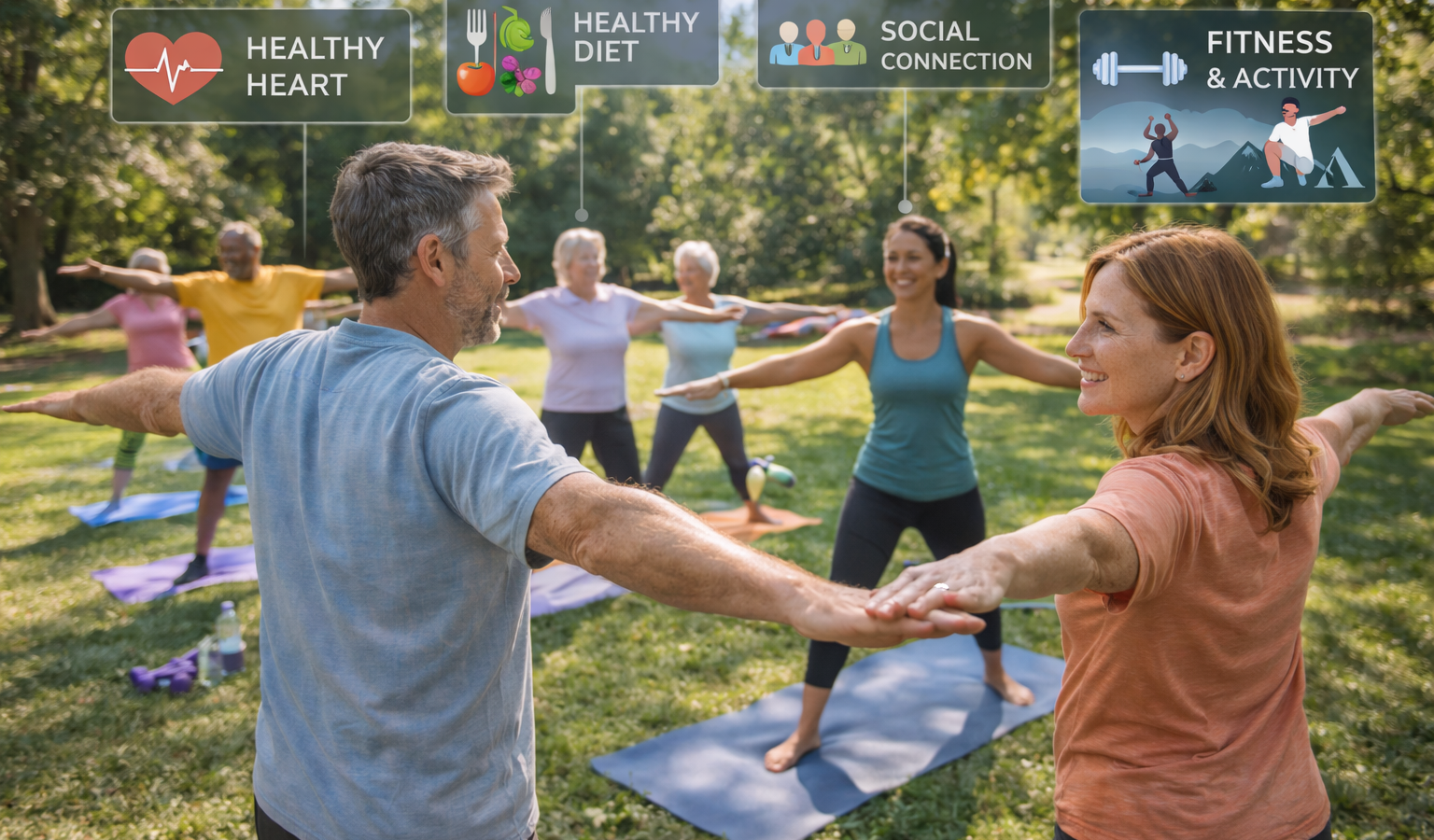
Longevity is no longer viewed solely as an individual pursuit driven by diet, exercise, or medical care. Increasingly, researchers and policymakers recognize that lifespan and quality of life are deeply influenced by social structures and community environments. As a result, community wellness programs supporting longevity have emerged as a critical component of public health strategy.
Rather than focusing exclusively on treating illness, these programs emphasize prevention, social connection, mental health support, and accessible physical activity. They operate in neighborhoods, schools, workplaces, and local health centers, creating environments that encourage sustainable healthy behaviors.
Understanding how community wellness programs supporting longevity function provides insight into how collective action can improve long-term health outcomes and reduce healthcare system strain.
The Link Between Community and Longevity
Scientific research increasingly shows that social determinants of health play a major role in life expectancy. Factors such as income stability, education access, neighborhood safety, and social connection strongly influence health outcomes.
The World Health Organization emphasizes that health is shaped by social and environmental conditions as much as by medical treatment. Communities that provide accessible health resources and supportive environments tend to see lower rates of chronic disease.
Community wellness programs supporting longevity address these broader determinants. They aim to create supportive ecosystems where preventive care and healthy behaviors become normalized and accessible.
Physical Activity Initiatives
One of the most visible components of community wellness programs involves organized physical activity. Group walking clubs, outdoor fitness classes, recreational sports leagues, and public park improvements encourage regular movement.
Regular physical activity reduces risk of cardiovascular disease, type 2 diabetes, and certain cancers. According to the Centers for Disease Control and Prevention, consistent moderate exercise contributes significantly to longer life expectancy.
Community-based programs remove barriers to exercise by offering free or low-cost participation. Public infrastructure such as bike lanes and walking trails further supports sustained engagement.
By integrating movement into daily life, community wellness programs supporting longevity reduce dependence on reactive medical interventions.
Preventive Health Screenings
Early detection plays a central role in increasing lifespan. Many community wellness programs organize health fairs, mobile clinics, and routine screening events for blood pressure, cholesterol, glucose levels, and cancer indicators.
The U.S. Department of Health and Human Services notes that preventive screenings significantly reduce mortality from treatable conditions when identified early.
Community-based screening initiatives reach populations that may lack regular access to healthcare facilities. By bringing services directly into neighborhoods, these programs reduce disparities and encourage timely intervention.
Preventive access is one of the strongest pillars of community wellness programs supporting longevity.
Nutrition Education and Food Access
Diet is closely linked to chronic disease prevention. However, access to nutritious food varies widely across communities.
Wellness initiatives often include cooking workshops, nutrition counseling, community gardens, and partnerships with local farmers’ markets. These programs promote balanced eating habits and reduce reliance on highly processed foods.
The Food and Agriculture Organization of the United Nations emphasizes the importance of local food systems in improving health outcomes and resilience.
Community gardens, in particular, combine physical activity with improved food access. Participants gain hands-on experience cultivating fresh produce while strengthening social bonds.
Nutrition-focused efforts reinforce the preventive framework of community wellness programs supporting longevity.
Mental Health and Social Connection
Longevity is not solely determined by physical health. Emotional well-being and social engagement play critical roles in lifespan and quality of life.
Isolation has been linked to increased risk of cardiovascular disease and cognitive decline. Community wellness programs address this through support groups, intergenerational activities, volunteer networks, and cultural events.
The National Institute on Aging highlights the protective effect of strong social relationships on cognitive health and longevity. Programs that encourage regular interaction reduce loneliness and promote psychological resilience.
Community centers often serve as hubs for wellness workshops, mindfulness sessions, and peer support initiatives.
Age-Friendly Community Design
Urban planning also influences long-term health outcomes. Walkable neighborhoods, accessible transportation, and safe public spaces enable older adults to remain active and independent.
The World Bank notes that age-friendly infrastructure reduces healthcare costs by supporting mobility and reducing injury risk.
Community wellness programs supporting longevity often collaborate with local governments to advocate for improved lighting, accessible sidewalks, and inclusive recreational facilities.
When neighborhoods are designed to support all age groups, residents are more likely to maintain healthy routines over time.
Chronic Disease Management Programs
Many communities implement structured programs to support individuals living with chronic conditions. Diabetes management workshops, cardiac rehabilitation groups, and smoking cessation programs provide guidance and peer encouragement.
These initiatives reduce hospital admissions and improve adherence to treatment plans. According to the American Heart Association, community-based cardiac programs improve long-term survival rates for heart disease patients.
By combining education with accountability, community wellness programs supporting longevity help individuals manage conditions more effectively while preventing complications.
Workplace and School Partnerships
Wellness strategies extend beyond healthcare facilities. Employers and schools play vital roles in shaping health behaviors.
Workplace wellness initiatives may include fitness incentives, mental health resources, and preventive screenings. Schools often integrate physical education, nutrition education, and mental health support into curricula.
The Organisation for Economic Co-operation and Development highlights the long-term benefits of early health education in improving adult health outcomes.
Partnerships between local governments, employers, and educational institutions strengthen the reach and sustainability of community wellness programs supporting longevity.
Technology and Remote Engagement
Digital platforms are increasingly integrated into community wellness efforts. Virtual fitness classes, telehealth consultations, and mobile health apps expand access to preventive resources.
While technology cannot replace in-person social interaction entirely, it enhances flexibility and outreach, particularly in rural areas.
The World Economic Forum notes that digital health innovations improve accessibility when combined with strong local infrastructure.
Hybrid models—combining online tools with physical community engagement—are likely to define future program development.
Addressing Health Inequities
Longevity disparities often reflect socioeconomic inequalities. Lower-income communities frequently face limited access to healthcare, nutritious food, and safe recreational spaces.
Community wellness programs supporting longevity aim to reduce these disparities through targeted outreach and inclusive design.
Grant-funded initiatives, nonprofit partnerships, and public health campaigns focus on vulnerable populations, ensuring equitable access to preventive services.
Sustained funding and policy support are critical to maintaining these programs long term.
Economic and Healthcare Impact
Preventive community programs not only improve individual well-being but also reduce public healthcare expenditures.
Chronic disease treatment represents a substantial portion of healthcare spending globally. Preventive initiatives reduce hospital admissions and emergency interventions.
According to the Centers for Disease Control and Prevention, community-based prevention programs offer cost-effective solutions for long-term health improvement.
Investment in wellness infrastructure therefore produces both social and economic returns.
Long-Term Outlook
As populations age globally, demand for community-based preventive programs will likely increase. Urban density, lifestyle changes, and healthcare costs reinforce the importance of collective wellness strategies.
Governments are increasingly integrating wellness planning into public health policy frameworks. Cross-sector collaboration between healthcare providers, urban planners, educators, and nonprofits strengthens program impact.
Future development may include expanded mental health support, climate-resilient infrastructure, and technology-enhanced monitoring systems.
Community wellness programs supporting longevity will continue evolving to address emerging health challenges while reinforcing preventive foundations.
Conclusion
Community wellness programs supporting longevity demonstrate that lifespan is influenced not only by medical care but also by environment, social connection, and accessible preventive resources. Through physical activity initiatives, nutrition education, mental health support, chronic disease management, and inclusive urban design, communities can create conditions that promote longer, healthier lives.
By prioritizing prevention and collaboration, these programs reduce healthcare costs and improve quality of life across age groups. As demographic shifts and public health challenges continue, investing in community-based wellness will remain essential for sustainable longevity. Collective action at the neighborhood level has the power to shape individual health outcomes for generations.
References
World Health Organization – Social Determinants of Health: https://www.who.int
Centers for Disease Control and Prevention – Chronic Disease Prevention: https://www.cdc.gov
National Institute on Aging – Social Connection and Longevity: https://www.nia.nih.gov
Organisation for Economic Co-operation and Development – Health Policy Research: https://www.oecd.org