
Travel Preferences Shifting Toward Cultural Immersion reflects a meaningful change in how people define a rewarding trip. Instead of prioritizing sightseeing checklists or luxury amenities alone, many travelers now seek deeper engagement with local traditions, food, language, and daily life. Cultural immersion is no longer considered a niche interest for backpackers or anthropologists—it has entered mainstream travel behavior.
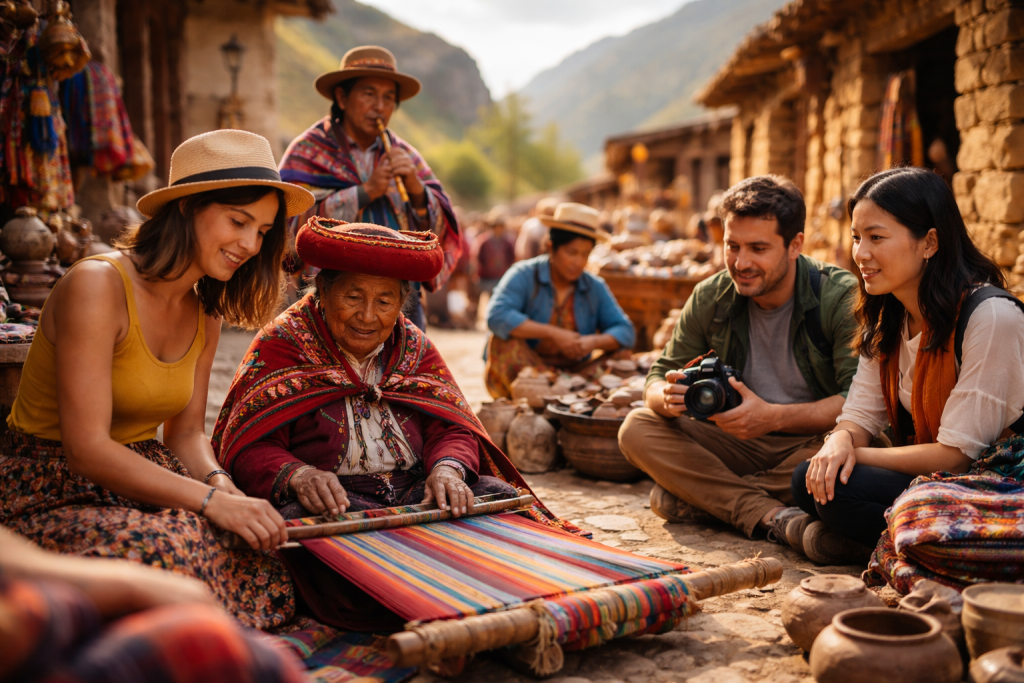
This shift is visible across demographics. Families, solo travelers, remote workers, and retirees are increasingly planning trips that emphasize authentic experiences over standardized itineraries. Whether through cooking classes, local homestays, heritage tours, or community-based tourism initiatives, travelers are choosing connection over convenience.
In this article, we examine why travel preferences shifting toward cultural immersion is becoming a dominant trend, what factors are driving it, and how it is influencing the travel industry.
Why Travel Preferences Shifting Toward Cultural Immersion Is Gaining Momentum
Several global developments are shaping this trend.
First, digital access has increased cultural awareness. Social media platforms and online travel communities expose travelers to diverse traditions and lesser-known destinations. Instead of relying solely on traditional tourist routes, individuals now discover neighborhoods, artisans, and cultural events directly from local creators.
Second, post-pandemic travel has emphasized meaningful experiences. After prolonged restrictions, many travelers are prioritizing connection and personal growth over purely recreational trips. According to the World Tourism Organization, experiential and sustainable tourism segments are growing as travelers seek more responsible and culturally respectful journeys (UNWTO – Tourism and Sustainability Insights: https://www.unwto.org).
Third, younger generations value authenticity. Surveys from Expedia Group indicate that many travelers prefer immersive experiences that allow them to “live like a local” rather than follow traditional tour structures (Expedia Group – Traveler Value Index: https://www.expediagroup.com).
These factors collectively explain why travel preferences shifting toward cultural immersion continues to expand across markets.
From Sightseeing to Participatory Travel
Traditional tourism often revolved around observing landmarks. Cultural immersion shifts the focus toward participation.
Examples include:
- Learning regional cooking techniques from local chefs
- Participating in community festivals
- Staying with host families
- Volunteering in cultural preservation projects
- Exploring local markets with resident guides
Participation fosters stronger emotional connections and long-lasting memories. Rather than taking photos from a distance, travelers engage directly with cultural narratives.
This experiential approach also supports small businesses and local entrepreneurs, redistributing tourism revenue beyond large hotel chains.
The Rise of Community-Based Tourism
Community-based tourism initiatives have expanded in response to demand for immersive travel. These programs often allow travelers to stay in rural or indigenous communities while contributing economically to residents.
The United Nations Environment Programme highlights that community-centered tourism can promote cultural preservation while encouraging sustainable development (UNEP – Sustainable Tourism: https://www.unep.org).
Benefits of community-based models include:
- Direct economic support for residents
- Cultural exchange opportunities
- Preservation of traditional crafts and practices
- Environmental stewardship incentives
As travelers seek more meaningful connections, these models align closely with evolving expectations.
Culinary Exploration as Cultural Gateway
Food has become one of the most powerful drivers of immersive travel.
Culinary tourism allows visitors to understand history, geography, and social customs through cuisine. Cooking classes, farm visits, and street food tours provide insights beyond restaurant dining.
Research from the World Food Travel Association shows that a significant portion of travelers consider food experiences a primary motivator when selecting destinations (World Food Travel Association – Food Travel Research: https://www.worldfoodtravel.org).
Food connects visitors with local agriculture, seasonal rhythms, and regional identity, reinforcing why travel preferences shifting toward cultural immersion often begin at the table.
Language Learning and Skill-Based Travel
Another dimension of immersive travel involves skill acquisition.
Travelers increasingly enroll in:
- Language immersion programs
- Artisan workshops
- Music or dance classes
- Agricultural experiences
- Photography tours guided by local experts
Skill-based travel transforms visitors from passive observers into active learners. These experiences foster respect for local expertise and encourage longer stays.
Extended stays also contribute to deeper economic and social engagement with host communities.
Sustainable and Responsible Travel Alignment
Cultural immersion often intersects with sustainable tourism.
Travelers seeking authentic experiences frequently prioritize:
- Smaller group tours
- Eco-certified accommodations
- Ethical wildlife interactions
- Locally owned businesses
The World Travel & Tourism Council emphasizes that sustainability and cultural preservation are increasingly central to travel planning decisions (WTTC – Sustainable Travel Reports: https://wttc.org).
Immersive travel encourages slower itineraries, which can reduce environmental strain compared to rapid multi-destination tours.
Digital Platforms Facilitating Immersion
Technology plays a supportive role in enabling immersive travel.
Online platforms connect travelers with:
- Local guides
- Experience-based hosts
- Cultural workshops
- Peer reviews from past participants
Digital storytelling by local creators also highlights lesser-known cultural events and neighborhoods.
This democratization of information reduces reliance on standardized travel packages and empowers travelers to curate personalized experiences.
Economic Implications for the Travel Industry
The shift toward cultural immersion has operational consequences for travel providers.
Tour operators increasingly design:
- Thematic heritage tours
- Food-focused itineraries
- Rural community partnerships
- Artisan-led workshops
Hotels may collaborate with local artists or chefs to integrate cultural elements into guest experiences.
Destinations that support cultural authenticity while managing visitor impact are likely to remain competitive in this evolving market.
Challenges and Ethical Considerations
While immersive travel offers benefits, it also raises ethical concerns.
Potential challenges include:
- Cultural commodification
- Over-tourism in fragile communities
- Inadequate compensation for local participants
- Misrepresentation of traditions
Responsible planning requires collaboration with local stakeholders and transparent communication.
Travelers must approach immersive experiences respectfully, recognizing cultural boundaries and avoiding exploitative practices.
Practical Tips for Travelers Seeking Cultural Immersion
For those interested in immersive travel, several strategies can enhance the experience:
Research Local Customs
Understanding etiquette fosters respectful interaction.
Choose Local Guides
Community-based guides provide deeper insight.
Support Independent Businesses
Local ownership often ensures economic benefits remain in the community.
Learn Basic Language Phrases
Even minimal effort strengthens connections.
Prioritize Smaller Groups
Reduced group sizes often improve authenticity.
Immersion is most meaningful when approached with curiosity and humility.
The Future of Cultural Immersion Travel
Looking ahead, travel preferences shifting toward cultural immersion are likely to continue shaping industry innovation.
Future developments may include:
Expanded heritage preservation collaborations
Virtual cultural previews before travel
Hybrid remote-work and immersion programs
Greater emphasis on intergenerational travel experiences
Enhanced transparency about community impact
As global travel becomes more accessible, authenticity and meaningful engagement will likely remain defining values.
Conclusion
Travel Preferences Shifting Toward Cultural Immersion reflects a deeper transformation in how people view exploration. Modern travelers are moving beyond checklist tourism toward experiences that foster understanding, connection, and shared humanity.
Cultural immersion enriches journeys by encouraging participation rather than observation. It supports local economies, preserves traditions, and strengthens cross-cultural awareness. For the travel industry, adapting to this shift means prioritizing authenticity, sustainability, and ethical engagement.
As travelers continue seeking experiences that resonate on a personal level, cultural immersion will remain a central force shaping global tourism in the years ahead.
References
United Nations World Tourism Organization – Tourism and Sustainability Insights: https://www.unwto.org
Expedia Group – Traveler Value Index: https://www.expediagroup.com
United Nations Environment Programme – Sustainable Tourism: https://www.unep.org
World Food Travel Association – Food Travel Research: https://www.worldfoodtravel.org
World Travel & Tourism Council – Sustainable Travel Reports: https://wttc.org