In a housing market where buyers compare dozens of listings online before scheduling a single viewing, first impressions matter more than ever. Interior updates that make homes feel move-in ready have become a decisive factor in how quickly a property sells and how confidently buyers commit. Today’s buyers are less willing to take on immediate projects. Instead, they gravitate toward homes that feel functional, comfortable, and ready for everyday life from day one.
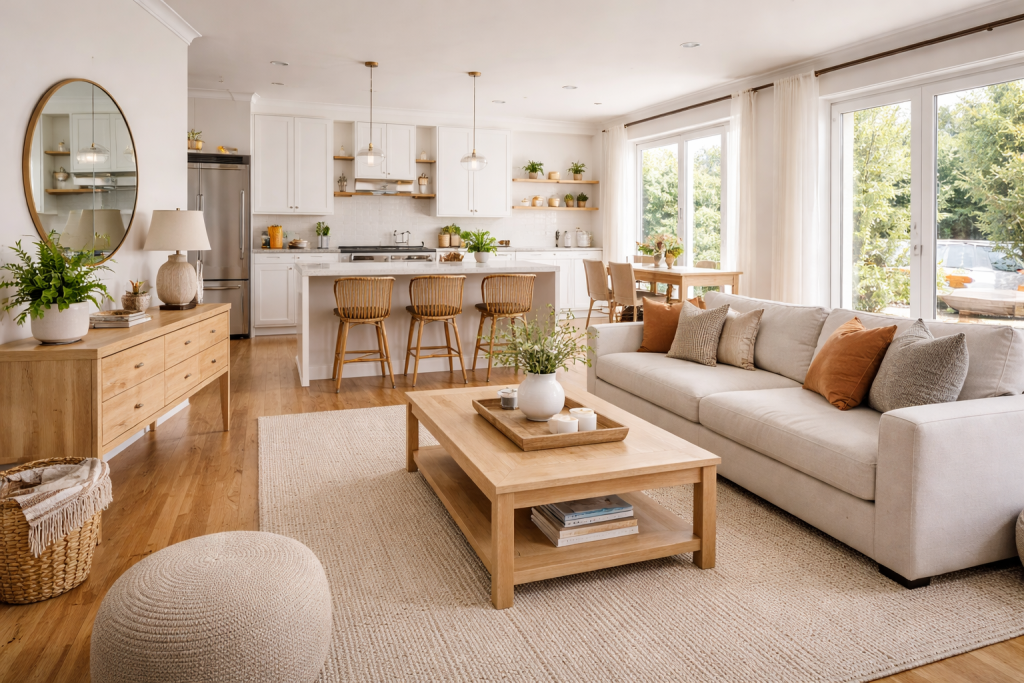
This shift is driven by a mix of affordability pressures, time constraints, and changing lifestyle expectations. Many buyers are stretching budgets to secure a home, leaving little appetite-financial or emotional-for post-purchase renovations. As a result, interior updates that reduce friction and uncertainty play a major role in buyer perception and market performance.
Why “Move-In Ready” Matters More Today
The definition of move-in ready has evolved. It no longer means luxury finishes or flawless design. Instead, it signals usability, clarity, and predictability.
Buyers associate move-in ready interiors with:
- Lower immediate costs after purchase
- Reduced decision fatigue
- Faster transition into daily routines
In competitive markets, homes that communicate readiness often outperform comparable properties that require visible updates, even if pricing is similar.
Interior Updates That Make Homes Feel Move-In Ready in 2026
Neutral, Consistent Wall Finishes
One of the most impactful and cost-effective updates remains fresh paint. However, the approach has become more strategic.
Effective choices include:
- Warm, neutral tones that adapt to different styles
- Consistent color palettes across connected spaces
- Clean finishes without visible patchwork or wear
Inconsistent or bold color schemes can distract buyers and raise questions about future effort. Neutral finishes help buyers focus on layout and flow rather than personal taste.
Updated Flooring That Signals Care
Flooring plays a major role in perceived condition. Buyers often view worn or mismatched floors as an immediate expense, even when functional.
Interior updates that improve readiness perception include:
- Refinishing existing hardwood floors
- Replacing visibly damaged sections
- Ensuring continuity between rooms where possible
Clean, well-maintained flooring helps interiors feel cohesive and cared for, reinforcing trust in the overall property.
Kitchens That Feel Usable, Not Overdesigned
Simple Updates With Strong Impact
Full kitchen renovations are not always necessary to create a move-in ready impression. Buyers often respond more positively to clarity and cleanliness than to complex upgrades.
High-impact updates include:
- Replacing outdated hardware
- Refreshing cabinet fronts or repainting doors
- Updating lighting for better visibility
These changes signal functionality and maintenance without overwhelming buyers with design statements.
Countertops and Visual Order
Cluttered or worn surfaces can undermine buyer confidence. Clean, neutral countertops help kitchens feel practical and approachable.
Even when original materials remain, staging and surface updates can shift perception toward readiness rather than renovation.
Bathrooms as Trust Indicators
Bathrooms strongly influence how buyers judge a home’s overall condition. Even small issues can raise concerns about hidden problems.
Cleanliness and Consistency Matter
Buyers expect bathrooms to feel hygienic, modern, and low-maintenance.
Effective interior updates include:
- Replacing worn fixtures or faucets
- Updating mirrors and lighting
- Refreshing grout and caulking
These changes reduce visual noise and reinforce the idea that the home has been well maintained.
Neutral Design Over Personal Style
As with kitchens, buyers favor bathrooms that feel adaptable. Neutral colors and simple finishes allow buyers to imagine their own preferences without distraction.
Lighting Updates That Change Perception Instantly
Lighting is one of the most underestimated interior updates. Poor lighting can make even well-designed homes feel dated or impractical.
Layered Lighting Improves Function and Mood
Move-in ready interiors often feature:
- Balanced ambient lighting
- Task lighting in kitchens and work areas
- Consistent color temperature across fixtures
Replacing outdated or mismatched fixtures helps interiors feel intentional and complete.
Natural Light Enhancement
Simple changes such as removing heavy window coverings or cleaning window surfaces can dramatically affect how a space feels. Bright interiors are often perceived as newer, cleaner, and more welcoming.
Storage and Organization as Lifestyle Signals
Buyers increasingly evaluate homes based on how easily they support everyday organization. Storage is no longer just about capacity-it’s about usability.
Built-In and Visible Storage Improvements
Interior updates that enhance readiness include:
- Closet systems or shelving upgrades
- Clear organization in utility spaces
- Defined storage areas in entryways
These updates help buyers visualize daily routines and reduce uncertainty about clutter management.
Reducing Visual Overload
Excess furniture or decorative items can obscure a home’s potential. Simplifying interiors allows buyers to assess space more clearly.
Flooring Transitions and Flow
One subtle but important detail is how rooms connect. Abrupt flooring changes or awkward transitions can disrupt flow and signal incomplete updates.
Creating smoother transitions helps interiors feel finished and cohesive, reinforcing a move-in ready impression.
Interior Updates That Support Modern Lifestyles
Flexible Spaces Over Fixed Use
Buyers increasingly value adaptability. Rooms that clearly support multiple uses feel more relevant.
Examples include:
- Guest rooms staged as offices
- Dining areas that double as workspaces
- Neutral layouts that adapt over time
This flexibility aligns with changing work and lifestyle patterns.
Energy Efficiency and Comfort
While not always visible, updates that improve comfort influence perception during showings.
These include:
- Modern thermostats
- Improved insulation where noticeable
- Quiet, efficient systems
Comfort reinforces the sense that the home is ready for immediate occupancy.
Common Interior Mistakes That Undermine Readiness
Even well-intentioned updates can reduce buyer confidence if poorly executed.
Common issues include:
- Overly personalized design choices
- Partial updates that highlight unfinished areas
- Mixing too many styles or materials
Consistency and restraint are key to reinforcing move-in readiness.
Cost Awareness and Buyer Sensitivity
With affordability pressures still shaping buyer behavior, many buyers mentally calculate post-purchase costs while touring homes. Visible updates that reduce perceived future spending often tip decisions.
This is why interior updates that make homes feel move-in ready can influence not just interest, but pricing confidence and negotiation outcomes.
Digital Listings and First Impressions
Because buyers encounter interiors online first, updates must translate well visually. Clean lines, consistent finishes, and good lighting improve listing performance and viewing engagement.
Homes that photograph clearly and honestly tend to attract more serious inquiries.
Final Thoughts
Move-in readiness is no longer about perfection-it’s about clarity, comfort, and confidence. Interior updates that make homes feel move-in ready help buyers move from interest to commitment by reducing uncertainty and mental effort.
In a market where buyers are cautious, time-conscious, and value-driven, interiors that feel usable from day one stand out. Thoughtful updates don’t just improve appearance; they communicate care, functionality, and long-term livability.
References
- National Association of Realtors – Remodeling Impact and Buyer Preferences: https://www.nar.com
- Zillow Research – Features That Influence Buyer Decisions: https://www.zillow.com/research
- Realtor.com – What Buyers Mean by “Move-In Ready”: https://www.realtor.com
- Forbes – How Home Updates Affect Buyer Perception: https://www.forbes.com