Beauty trends focused on natural results are shaping the industry in 2026 as consumers move away from dramatic transformations and toward subtle, skin-respecting routines. The emphasis has shifted from instant visual impact to long-term skin health, realistic outcomes, and techniques that enhance individual features rather than altering them. This change reflects broader cultural priorities around sustainability, transparency, and self-acceptance.
Rather than following rigid ideals, people are choosing approaches that work with their natural skin texture, tone, and aging process. Beauty trends focused on natural results are not about doing less for the sake of minimalism; they are about doing what actually supports skin function and appearance over time.
Why the Beauty Industry Is Shifting Toward Natural Results
Several forces are driving this transition. Consumers are more informed than ever, with access to dermatological research, ingredient analysis, and long-term outcome data. Social media has also matured, with audiences becoming more skeptical of overly edited images and exaggerated claims.
Key drivers behind beauty trends focused on natural results include:
- Growing awareness of skin barrier health
- Fatigue with aggressive treatments and heavy makeup
- Increased focus on long-term skin resilience
- Demand for transparency in ingredients and techniques
These factors are pushing brands and professionals to rethink how beauty is defined and delivered.
Skin Health as the New Foundation
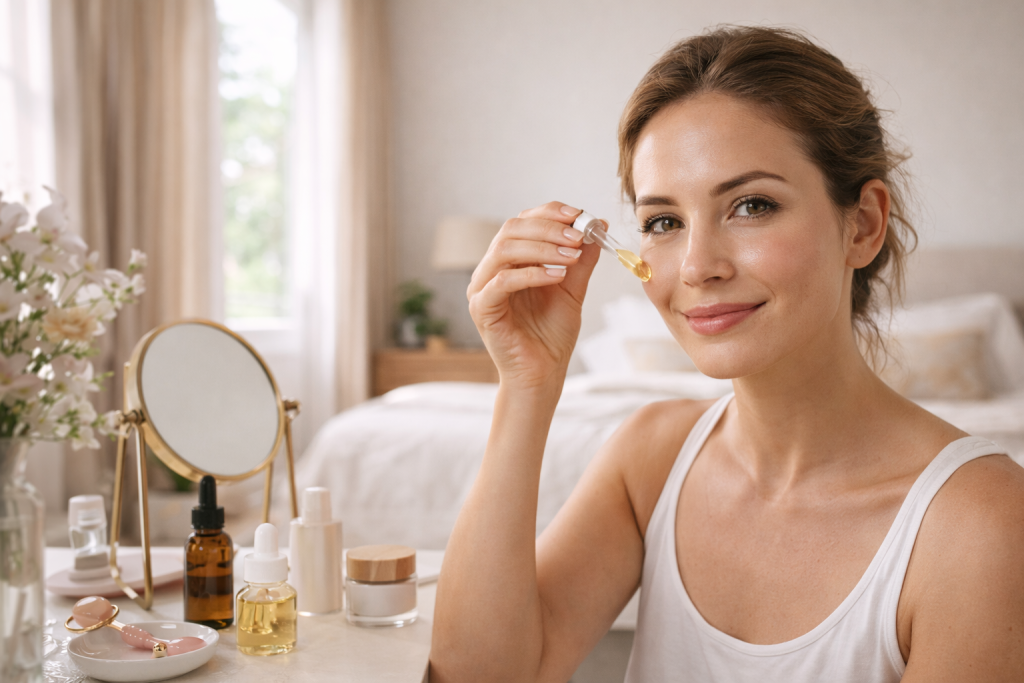
At the core of natural-looking beauty is skin health. Instead of layering products to mask issues, routines now focus on strengthening the skin’s natural functions.
Barrier Repair Over Quick Fixes
Healthy skin depends on a strong barrier. Many people previously damaged this barrier through over-exfoliation or frequent product switching. Current routines emphasize restoration.
Common practices include:
- Gentle cleansing
- Reduced exfoliation frequency
- Products rich in ceramides and lipids
Beauty trends focused on natural results prioritize consistency over intensity, allowing skin to regulate itself more effectively.
Fewer Products, Clearer Purpose
Multi-step routines are being simplified. Each product is expected to serve a specific function, reducing irritation and product fatigue.
This shift benefits not only skin health but also routine sustainability, making it easier to maintain results over time.
Makeup That Enhances Rather Than Covers
Makeup trends are aligning with skincare philosophy. Instead of full coverage and heavy contouring, makeup is now used to subtly enhance natural features.
Lightweight Base Products
Foundations and skin tints with sheer coverage are replacing thick formulas. These products even out tone without obscuring skin texture.
Benefits include:
- More realistic finish
- Improved comfort throughout the day
- Easier blending and maintenance
Beauty trends focused on natural results value skin that looks like skin, even when makeup is worn.
Cream-Based and Flexible Textures
Cream blushes, bronzers, and highlighters adapt better to natural movement and facial structure. They create dimension without harsh lines.
These products support a lived-in look that remains consistent in different lighting conditions.
Hair Trends That Respect Natural Texture
Haircare is also reflecting the move toward authenticity. Instead of forcing uniform styles, people are working with their natural hair patterns.
Texture-Supportive Styling
Curly, wavy, and straight hair routines are becoming more individualized. Products are designed to enhance natural texture rather than reshape it.
This approach reduces heat damage and supports long-term hair health.
Low-Intervention Color Techniques
Hair coloring trends now favor techniques that grow out naturally, such as subtle highlights and soft blends.
These methods:
- Reduce maintenance frequency
- Preserve hair integrity
- Adapt to natural color changes
Beauty trends focused on natural results favor longevity over immediate transformation.
Cosmetic Treatments With Subtle Outcomes
Non-invasive and minimally invasive treatments remain popular, but expectations have changed.
Gradual Enhancement Over Dramatic Change
Treatments are increasingly used to support skin quality rather than alter facial structure. Lower doses, longer intervals, and personalized plans are becoming standard.
Patients and practitioners alike are prioritizing outcomes that look natural in motion and expression.
Preventative and Maintenance-Oriented Care
Instead of reactive procedures, many people are choosing preventative treatments that support skin over time.
This approach aligns with beauty trends focused on natural results by emphasizing preservation rather than correction.
Ingredient Transparency and Skin Compatibility
Consumers are paying closer attention to what goes on their skin.
Function Over Hype
Ingredients are evaluated based on evidence and compatibility rather than novelty. Brands are highlighting formulation balance instead of hero ingredients alone.
This supports routines that are gentle, effective, and sustainable.
Reduced Sensitization Risk
Products are increasingly designed to minimize irritation, with fewer fragrances and simplified formulations.
This shift reflects an understanding that healthy skin responds better to consistent care than constant stimulation.
The Role of Lifestyle in Natural Beauty
Beauty trends focused on natural results extend beyond products and treatments.
Sleep, Nutrition, and Stress Management
Healthy skin is closely tied to overall well-being. As a result, beauty conversations now include lifestyle factors that influence appearance.
Consistent sleep, balanced nutrition, and stress regulation are recognized as foundational beauty practices.
Movement and Circulation
Regular movement supports circulation and skin oxygenation. This contributes to natural glow and resilience without external intervention.
These factors reinforce the idea that beauty is a reflection of overall health.
Social Media’s Evolving Influence
Social platforms still shape beauty trends, but the tone has changed.
Less Editing, More Reality
Audiences are increasingly drawn to content that shows real skin, varied textures, and honest results.
This transparency supports realistic expectations and reinforces beauty trends focused on natural results.
Education Over Transformation
Content that explains processes, timelines, and limitations is gaining traction over dramatic before-and-after narratives.
This shift empowers consumers to make informed decisions rather than chase unrealistic outcomes.
Sustainability and Natural Beauty Alignment
Sustainability aligns naturally with understated beauty trends.
Long-Lasting Products and Routines
Fewer products used consistently reduce waste and consumption.
This approach benefits both skin and the environment.
Responsible Packaging and Sourcing
Brands aligned with beauty trends focused on natural results are also investing in responsible sourcing and packaging choices.
These values reinforce trust and long-term brand loyalty.
Long-Term Benefits of Natural Beauty Approaches
Natural-result-focused routines tend to age well. Instead of chasing trends, they support gradual improvement and stability.
Over time, benefits include:
- Improved skin tolerance
- Reduced dependency on corrective products
- Greater confidence in natural appearance
- More predictable outcomes
These advantages explain why this approach continues to gain momentum.
Redefining Beauty Expectations
In 2026, beauty is increasingly defined by how skin and hair function rather than how dramatically they can be altered. Beauty trends focused on natural results reflect a broader cultural shift toward realism, health, and sustainability.
By emphasizing subtlety, consistency, and respect for individual features, these trends offer an approach to beauty that feels achievable and enduring. Rather than chasing perfection, people are investing in routines that support how they actually live and age.