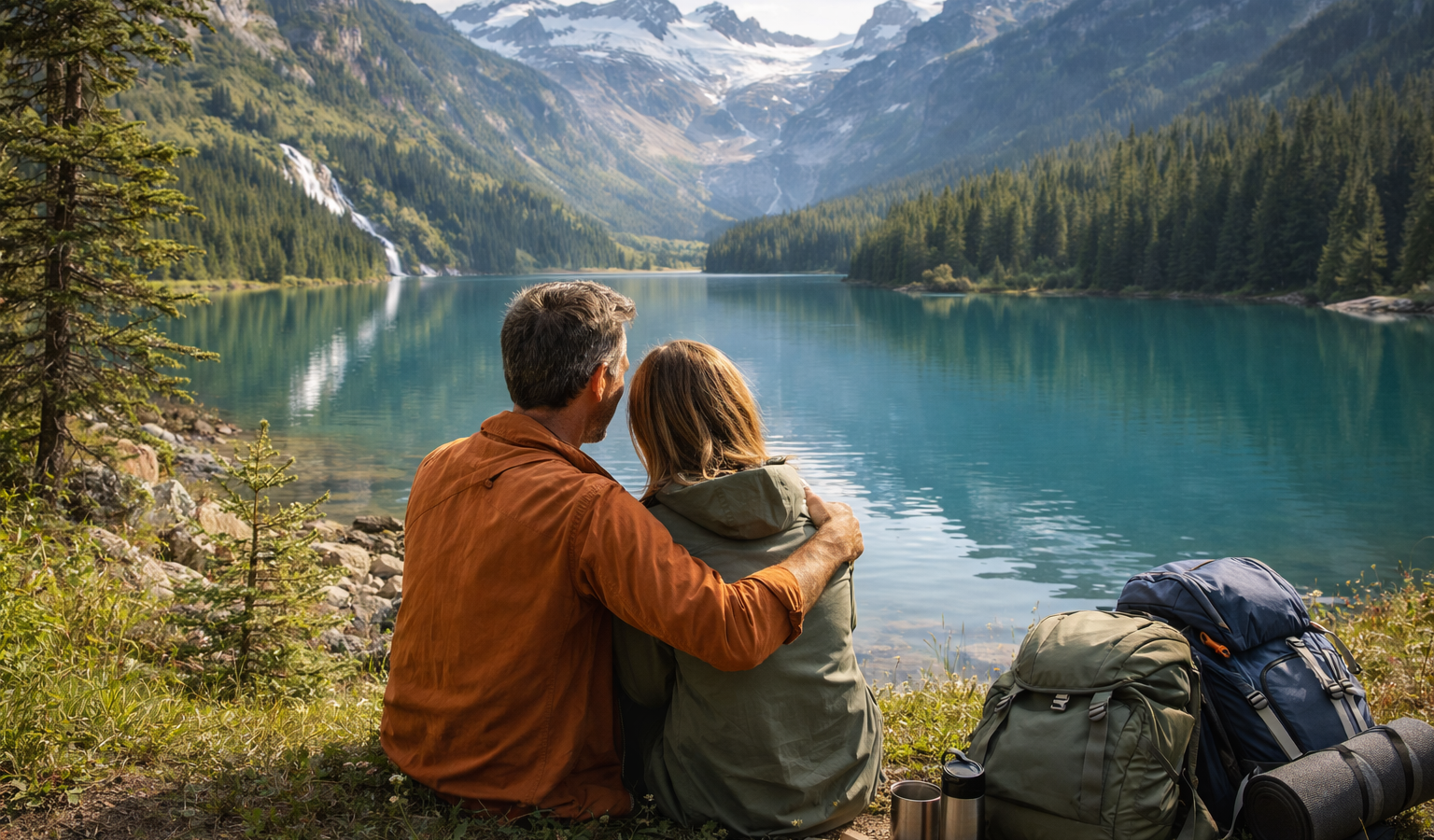
Modern travel is evolving beyond sightseeing and urban exploration. Increasingly, travelers are seeking meaningful connections with natural environments, prioritizing experiences that foster mental clarity, physical well-being, and environmental awareness. As a result, travel experiences focused on nature immersion are becoming one of the most influential shifts in global tourism.
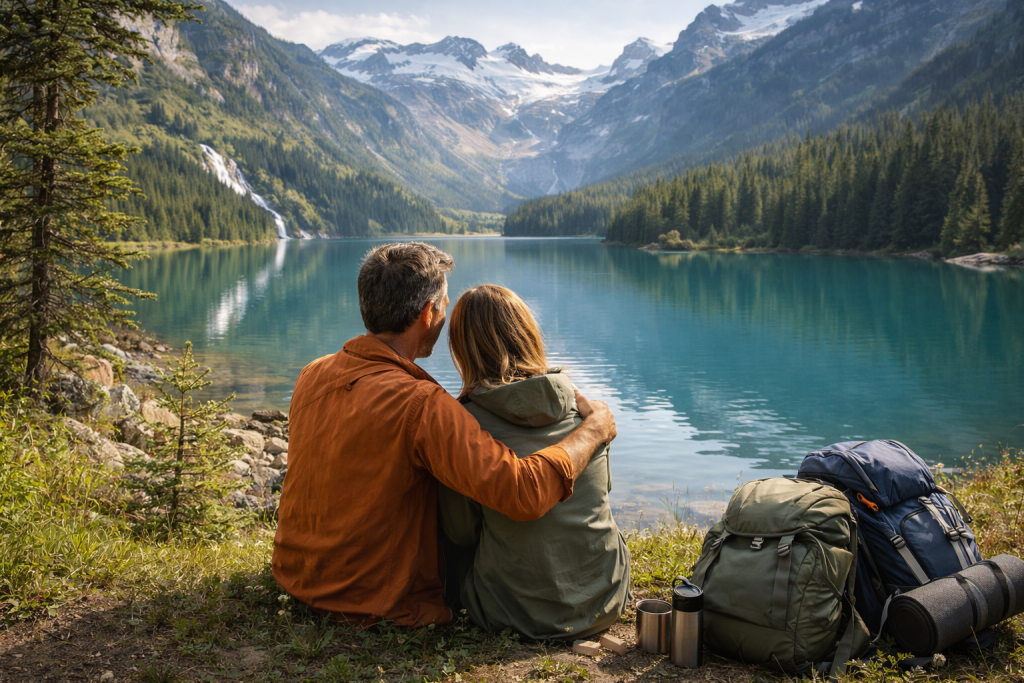
Nature immersion is not simply about visiting scenic locations. It emphasizes slowing down, engaging with ecosystems, and participating in activities that deepen awareness of the natural world. From forest retreats and wilderness trekking to marine conservation trips and regenerative tourism programs, immersive travel offers restorative and educational benefits.
This growing demand reflects broader concerns about climate change, digital overload, and urban stress. Understanding travel experiences focused on nature immersion provides insight into how tourism is adapting to contemporary lifestyle priorities.
The Rise of Restorative Travel
Urbanization and constant digital connectivity have increased stress levels worldwide. In response, travelers are turning toward destinations that promote relaxation and mental renewal.
Research from the World Health Organization highlights the link between exposure to green spaces and improved mental well-being. Time spent in nature is associated with reduced anxiety, improved mood, and enhanced cognitive function.
Travel experiences focused on nature immersion align closely with these findings. Instead of structured itineraries filled with attractions, immersive trips encourage open exploration, quiet reflection, and physical engagement with landscapes.
Forest bathing retreats, for example, draw inspiration from Japanese “Shinrin-yoku” practices, emphasizing mindful walks in wooded areas. Participants report reduced stress and improved focus after guided sessions.
National Parks and Protected Areas
Protected natural areas continue to attract significant visitor growth. National parks, marine reserves, and conservation zones provide structured environments for immersive travel while preserving biodiversity.
According to the International Union for Conservation of Nature, protected areas play a critical role in safeguarding ecosystems and supporting sustainable tourism.
Visitors to these areas often participate in hiking, wildlife observation, and guided ecological tours. These activities enhance environmental awareness while supporting local economies through entrance fees and community partnerships.
Travel experiences focused on nature immersion within protected zones also emphasize responsible behavior. Leave-no-trace principles and wildlife protection guidelines are increasingly integrated into tour programs.
Eco-Lodges and Sustainable Accommodation
Accommodation plays a central role in immersive travel. Eco-lodges and off-grid retreats are designed to blend with surrounding environments rather than dominate them.
Sustainable architecture, renewable energy systems, and locally sourced materials reduce environmental impact. Guests often engage in educational sessions about conservation and sustainable living practices.
The United Nations Environment Programme emphasizes sustainable tourism as a key strategy for balancing economic development with ecological preservation. Eco-lodges exemplify this approach by combining comfort with environmental stewardship.
Travel experiences focused on nature immersion often prioritize smaller-scale accommodations to maintain ecological balance and reduce overcrowding.
Adventure Tourism and Physical Engagement
Adventure-based travel is closely linked to nature immersion. Activities such as trekking, kayaking, mountaineering, and cycling encourage active engagement with landscapes.
Unlike passive sightseeing, these experiences require physical effort and environmental awareness. Participants often gain deeper appreciation for terrain, weather patterns, and biodiversity.
The World Tourism Organization reports consistent growth in adventure tourism markets, particularly among younger demographics seeking experiential travel.
Importantly, responsible operators emphasize safety and ecological respect. Sustainable adventure programs avoid overuse of fragile ecosystems and prioritize minimal-impact practices.
Marine and Coastal Conservation Experiences
Nature immersion extends beyond forests and mountains. Marine ecosystems are also central to immersive travel trends.
Travelers increasingly participate in coral reef restoration projects, marine wildlife observation, and coastal cleanup initiatives. These activities combine recreation with environmental contribution.
Organizations such as the National Oceanic and Atmospheric Administration highlight the importance of protecting marine biodiversity. Tourism programs that educate visitors about ocean ecosystems support long-term conservation awareness.
Travel experiences focused on nature immersion in marine settings often include snorkeling, diving, and sailing with ecological briefings integrated into the experience.
Cultural Integration and Indigenous Knowledge
Nature immersion frequently intersects with cultural exchange. Indigenous communities often possess deep ecological knowledge rooted in generational stewardship.
Collaborative tourism programs allow travelers to learn about traditional land management practices, medicinal plants, and sustainable resource use.
The Food and Agriculture Organization of the United Nations recognizes indigenous knowledge systems as vital contributors to biodiversity preservation.
When managed ethically, community-led tourism empowers local populations while offering authentic educational experiences. However, equitable partnerships and respect for cultural autonomy are essential.
Digital Detox and Mindful Travel
Constant digital engagement has contributed to increased interest in digital detox retreats. Travelers are intentionally disconnecting from devices to reconnect with natural environments.
Nature immersion retreats often limit internet access, encouraging participants to focus on physical surroundings. Activities such as guided meditation, journaling, and silent hikes support reflective engagement.
Research from environmental psychology studies indicates that time spent away from screens enhances cognitive restoration and emotional resilience.
Travel experiences focused on nature immersion frequently incorporate structured digital boundaries to maximize restorative impact.
Regenerative Tourism Practices
Beyond minimizing harm, regenerative tourism aims to leave destinations in better condition than before visitation.
This approach includes:
- Supporting habitat restoration
- Investing in local conservation initiatives
- Reducing waste and carbon emissions
- Educating visitors about environmental stewardship
The Global Sustainable Tourism Council outlines frameworks for responsible tourism development. Regenerative practices reflect a shift from passive enjoyment to active contribution.
Travelers increasingly value trips that align with ethical and environmental principles.
Health and Wellness Integration
Nature immersion is closely linked to wellness tourism. Outdoor yoga retreats, wilderness therapy programs, and holistic healing camps combine physical activity with natural settings.
Studies from public health organizations demonstrate that outdoor physical activity supports cardiovascular health and reduces stress levels.
By integrating wellness activities into natural landscapes, travel experiences focused on nature immersion enhance both physical and psychological outcomes.
This alignment between health and environment strengthens long-term appeal among wellness-oriented travelers.
Challenges of Nature-Based Tourism
While nature immersion offers clear benefits, challenges must be addressed. Increased visitor numbers can strain fragile ecosystems. Overcrowding in popular national parks has raised concerns about habitat degradation.
Infrastructure development in remote areas may disrupt wildlife patterns. Therefore, capacity management and environmental regulation are essential.
Sustainable tourism planning requires balancing accessibility with preservation. Limiting visitor numbers, implementing permit systems, and investing in conservation funding help mitigate negative impacts.
Climate Change and Future Travel Patterns
Climate change is influencing travel destinations and seasonal accessibility. Rising temperatures, extreme weather events, and biodiversity loss affect natural landscapes worldwide.
Travel experiences focused on nature immersion may increasingly prioritize climate resilience education. Guided programs that explain ecosystem adaptation and conservation efforts foster informed engagement.
Additionally, transportation emissions remain a concern. Sustainable travel options such as train journeys and carbon offset initiatives are gaining attention.
Balancing global mobility with environmental responsibility will shape the next phase of nature-focused tourism.
Long-Term Outlook
Demand for immersive travel experiences is expected to remain strong as urban populations continue expanding. Younger generations often prioritize purpose-driven travel aligned with environmental values.
Technological innovation may support responsible tourism through visitor tracking systems and environmental monitoring tools. However, the core appeal of nature immersion remains simple: reconnection with landscapes and ecological systems.
As tourism evolves, authenticity and sustainability will likely guide future development strategies.
Conclusion
Travel experiences focused on nature immersion reflect a broader shift toward intentional, restorative, and environmentally conscious tourism. From forest retreats and marine conservation programs to eco-lodges and adventure expeditions, immersive travel deepens connection between individuals and ecosystems.
These experiences support mental well-being, physical health, and environmental awareness. However, sustainability must remain central to prevent ecological degradation.
By combining responsible management with authentic engagement, nature immersion tourism can contribute positively to conservation and community development. As travelers increasingly seek meaningful journeys, immersive natural experiences are positioned to remain a defining trend in global tourism.
References
World Health Organization – Nature and Mental Health Research: https://www.who.int
International Union for Conservation of Nature – Protected Areas Data: https://www.iucn.org
United Nations Environment Programme – Sustainable Tourism Guidelines: https://www.unep.org
Global Sustainable Tourism Council – Responsible Tourism Standards: https://www.gstcouncil.org