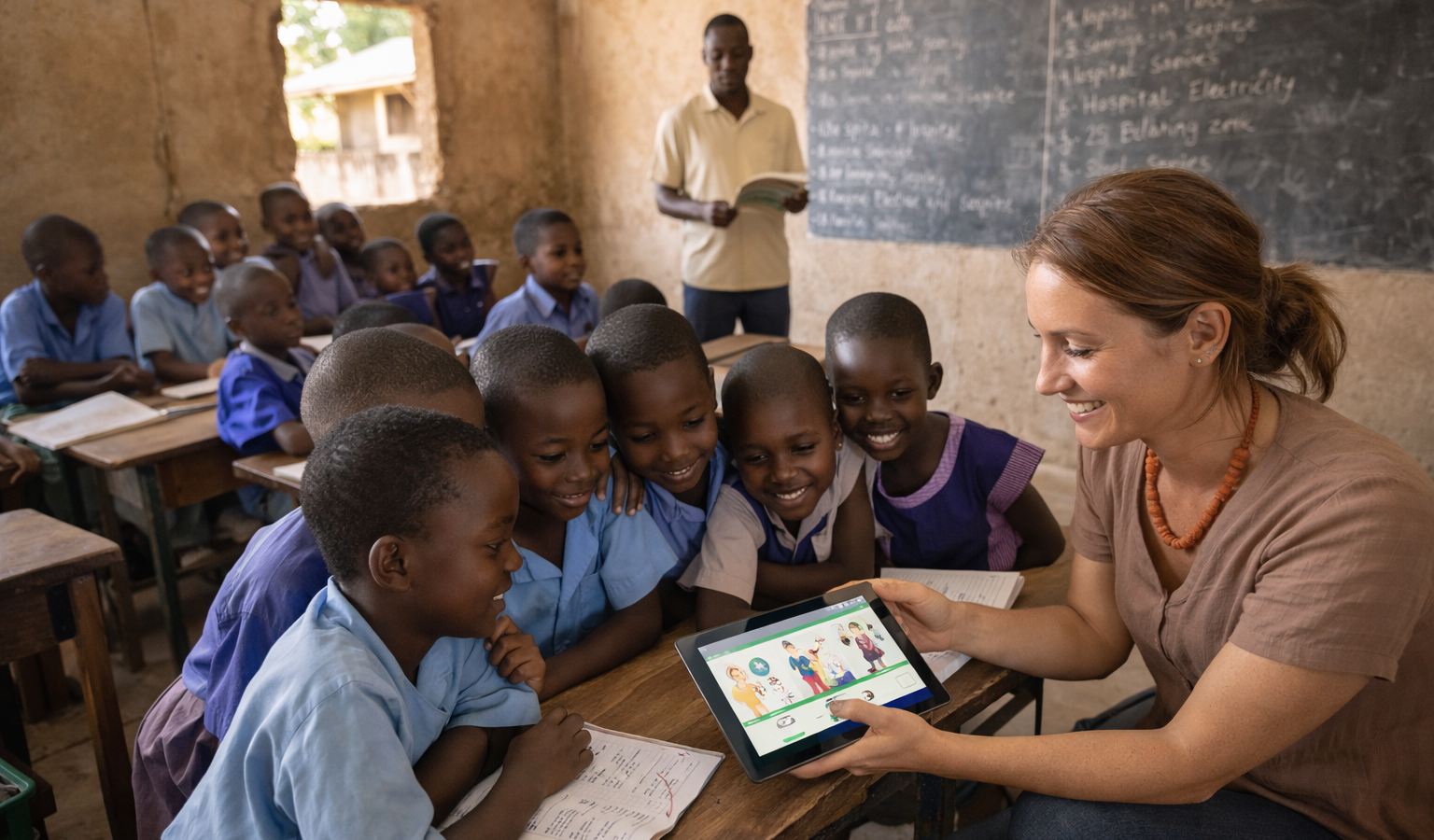
Access to quality education remains one of the most powerful drivers of economic mobility and social development. Over the past two decades, significant progress has been made in expanding school enrollment across low- and middle-income countries. However, education access trends in developing regions reveal a complex picture—one that combines rapid digital innovation, demographic pressures, persistent inequality, and evolving policy responses.
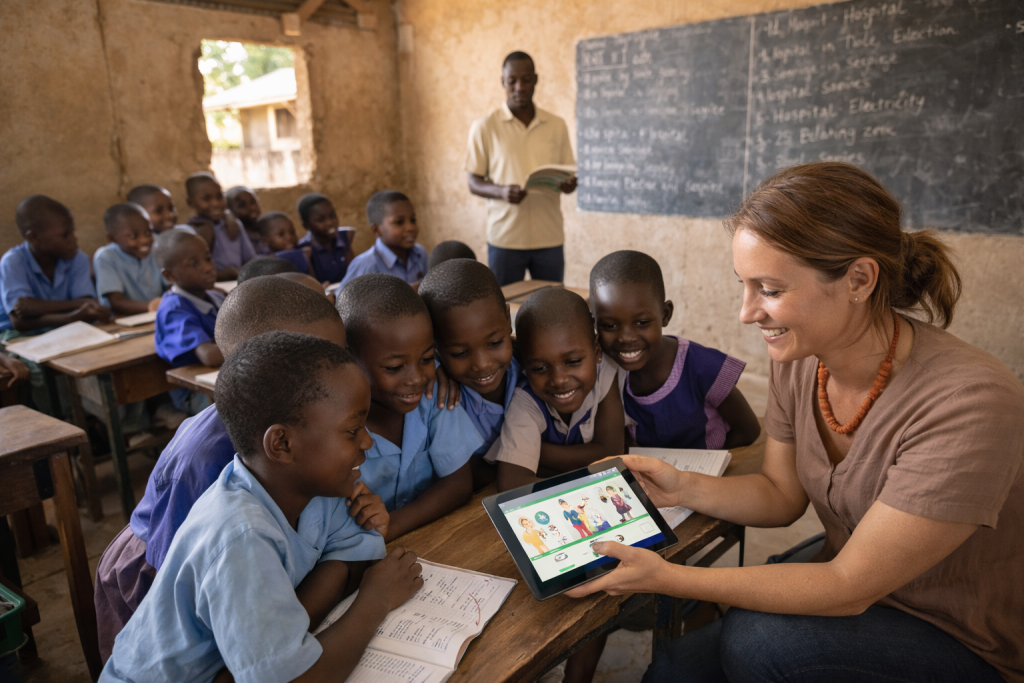
While primary school enrollment rates have improved in many parts of Sub-Saharan Africa, South Asia, and Latin America, challenges remain in secondary education completion, digital inclusion, teacher quality, and gender equity. At the same time, technological advances and global partnerships are opening new pathways for learning in areas once considered unreachable.
Understanding education access trends in developing regions is critical for policymakers, development organizations, and investors seeking long-term social impact. These trends shape workforce readiness, economic resilience, and social stability for decades to come.
Expanding Primary Enrollment but Uneven Progress
One of the most notable education access trends in developing regions is the expansion of primary school enrollment. According to UNESCO data, global primary enrollment has increased significantly since the early 2000s, particularly in regions previously facing low attendance rates.
Governments have introduced free primary education policies, school feeding programs, and community outreach initiatives to encourage attendance. As a result, millions of children who previously lacked formal schooling now have access to basic education.
However, enrollment alone does not guarantee learning outcomes. In many regions, overcrowded classrooms and limited resources reduce instructional quality. Consequently, policymakers are shifting attention from access alone to both access and learning quality.
The Secondary Education Gap
While primary enrollment has improved, secondary education participation remains uneven. Many students drop out after completing basic schooling due to economic pressures, early marriage, or limited school availability in rural areas.
The World Bank reports that lower secondary completion rates lag significantly behind primary enrollment in several developing regions. This gap affects long-term workforce readiness and economic development.
Transportation barriers also contribute to dropout rates. In rural areas, secondary schools may be located far from communities. As a result, families may prioritize immediate economic contributions over continued schooling.
Addressing this gap is central to evolving education access trends in developing regions.
Digital Learning and Mobile Connectivity
Technology has become one of the most transformative forces influencing education access. Mobile phone penetration has increased rapidly across developing economies. Even in remote areas, smartphones are often more accessible than traditional infrastructure.
Digital learning platforms, mobile-based lessons, and online tutoring services are expanding opportunities beyond physical classrooms. During the pandemic, remote education tools became essential for continuity.
According to UNICEF, digital education programs helped mitigate school closures in multiple regions. However, digital divides remain pronounced. Reliable internet access, electricity, and device availability vary widely.
Bridging the digital gap is now a central component of education access trends in developing regions. Governments and international organizations are investing in connectivity infrastructure to support long-term inclusion.
Gender Equity in Education
Gender disparities remain a significant challenge in certain developing regions. Cultural norms, safety concerns, and economic constraints often limit girls’ access to education.
However, targeted initiatives are improving outcomes. Scholarship programs, community engagement campaigns, and safe transportation policies have contributed to rising female enrollment rates in several countries.
UNESCO reports steady improvement in gender parity at the primary level in many regions. Nevertheless, secondary and tertiary education gaps persist in some areas.
Improving girls’ access to education has broader social benefits, including improved health outcomes, economic participation, and intergenerational mobility. Consequently, gender equity remains central to education access trends in developing regions.
Refugee and Conflict-Affected Education
Conflict and displacement disrupt education systems significantly. Refugee populations often face barriers to enrollment due to documentation issues, language differences, or overcrowded host community schools.
The United Nations High Commissioner for Refugees highlights that refugee children are less likely to attend school compared to non-displaced peers.
To address these challenges, humanitarian organizations are developing flexible education models, including temporary learning centers and digital instruction tools.
Education in crisis contexts is increasingly recognized as both a humanitarian and development priority. Ensuring continuity of learning during instability is an essential dimension of education access trends in developing regions.
Teacher Training and Workforce Development
Access to classrooms is insufficient without qualified educators. Teacher shortages and limited training capacity affect instructional quality across many developing regions.
Professional development initiatives and digital training modules are helping address these gaps. Online teacher support networks provide ongoing resources and peer collaboration.
The OECD emphasizes the importance of teacher quality in achieving sustainable learning outcomes. Therefore, education reforms increasingly combine infrastructure investment with workforce capacity building.
Teacher retention strategies, including improved compensation and career progression opportunities, are also essential for maintaining educational stability.
Public-Private Partnerships and Innovation
Collaboration between governments, nonprofit organizations, and private sector actors is shaping new models of education delivery. Low-cost private schools, technology startups, and philanthropic initiatives are contributing to expanded access.
While public systems remain central, partnerships often introduce innovation and scalability. For example, solar-powered digital classrooms and low-cost tablet programs are expanding learning opportunities in off-grid communities.
However, ensuring quality standards and equitable access remains critical. Effective regulation and monitoring are necessary to balance innovation with accountability.
Public-private collaboration continues to influence education access trends in developing regions, particularly in areas where public funding alone is insufficient.
Infrastructure and School Facilities
Physical infrastructure remains a foundational concern. In many rural communities, schools lack basic facilities such as sanitation, electricity, or safe classrooms.
Investment in school construction and maintenance is essential for sustained access. Safe and well-equipped facilities encourage attendance and improve learning environments.
The World Bank notes that infrastructure improvements often correlate with higher enrollment and retention rates. However, long-term maintenance planning is equally important to prevent deterioration.
Infrastructure development must align with demographic growth patterns to accommodate expanding youth populations in certain regions.
Vocational and Skills-Based Education
As labor markets evolve, vocational education and technical training are gaining attention. Developing regions often face youth unemployment challenges despite expanding school enrollment.
Skills-based education programs address this disconnect by aligning training with market demand. Digital literacy, coding, renewable energy maintenance, and healthcare support roles are examples of growing sectors.
Integrating vocational pathways into education systems ensures that expanded access translates into economic opportunity. This alignment is a critical aspect of education access trends in developing regions.
Data Monitoring and Accountability
Improved data collection allows governments to track enrollment, dropout rates, and learning outcomes more effectively. Digital education management systems enable real-time monitoring and policy adjustments.
Transparent data improves accountability and informs resource allocation. International benchmarks, such as those established by UNESCO and the World Bank, provide comparative insights across regions.
Data-driven decision-making is strengthening education reform efforts and enhancing long-term planning.
Long-Term Outlook
Looking ahead, education access trends in developing regions will likely continue evolving alongside demographic shifts and technological innovation. Population growth in Sub-Saharan Africa, for example, will require sustained investment in school capacity.
Climate change may also influence infrastructure planning. Extreme weather events disrupt schooling in vulnerable regions, highlighting the need for resilient facilities.
Artificial intelligence and adaptive learning tools may expand personalized education opportunities. However, equitable access must remain a guiding principle to prevent widening inequalities.
Governments, international agencies, and community leaders face the challenge of balancing access, quality, equity, and sustainability.
Conclusion
Education access trends in developing regions reflect both remarkable progress and persistent challenges. Primary enrollment gains demonstrate global commitment to universal education. However, gaps in secondary completion, digital access, gender equity, and teacher training underscore the complexity of the task ahead.
Technology is opening new pathways for inclusion, yet infrastructure and resource disparities remain significant obstacles. Addressing these challenges requires coordinated policy efforts, community engagement, and sustained investment.
Ultimately, education access is not merely a development objective. It is a foundational driver of economic growth, social mobility, and long-term stability. As developing regions navigate demographic expansion and technological transformation, strengthening education systems will remain central to global progress.
References
UNESCO – Global Education Monitoring Report: https://www.unesco.org
World Bank – Education Overview: https://www.worldbank.org
UNICEF – Education in Emergencies: https://www.unicef.org
OECD – Education Policy and Teacher Development: https://www.oecd.org