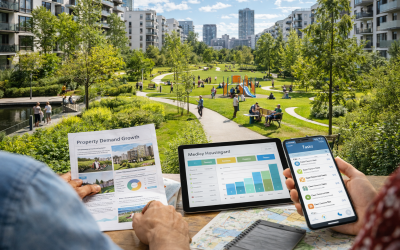
Housing affordability remains one of the defining challenges of the decade. In many cities, rental prices have risen faster than wages, homeownership barriers remain high, and supply constraints continue to pressure urban markets. Against this backdrop, shared living spaces supporting affordability have emerged as a practical response to shifting economic realities and lifestyle preferences.

Shared living is not a new concept. However, modern models differ significantly from traditional roommate arrangements. Today’s shared spaces often include purpose-built co-living developments, professionally managed communal housing, and hybrid residential communities designed to balance privacy with shared amenities. As housing costs rise globally, these models are gaining attention from residents, developers, and policymakers alike.
Understanding how shared living spaces supporting affordability function—and where they succeed or struggle—is essential for evaluating their long-term impact on housing markets.
The Economic Forces Driving Shared Living
Several structural forces are fueling the growth of shared housing models. First, urbanization continues to concentrate demand in major cities. As employment opportunities cluster in metropolitan areas, housing supply often fails to keep pace. Consequently, rental prices increase, particularly in central neighborhoods.
Second, wage growth has not consistently matched housing inflation. According to data from the Organisation for Economic Co-operation and Development, housing costs have risen significantly in many advanced economies over the past decade. This imbalance pushes individuals to seek alternative housing arrangements.
Third, demographic shifts play a role. Younger professionals, students, and remote workers often prioritize flexibility over long-term ownership. For these groups, shared living provides access to desirable locations without the financial burden of independent leases.
As a result, shared living spaces supporting affordability are expanding across global cities, from North America to Europe and parts of Asia-Pacific.
What Defines Modern Shared Living Spaces
Modern shared housing differs from informal roommate arrangements. Purpose-built co-living developments typically offer:
- Private bedrooms or micro-apartments
- Shared kitchens and living areas
- Communal workspaces
- On-site amenities such as gyms or lounges
- Flexible lease terms
Professional management is another defining feature. Unlike traditional house-sharing, many co-living providers handle maintenance, utilities, and community programming. This structure simplifies budgeting and reduces unpredictable expenses.
Moreover, technology integration is common. Digital platforms manage payments, bookings, and communication among residents. This operational efficiency contributes to cost control and improved resident experience.
Cost Efficiency Through Shared Resources
One of the clearest benefits of shared living spaces supporting affordability is resource pooling. When residents share kitchens, common areas, and utilities, overall costs per individual decrease.
For example, splitting internet, electricity, and water expenses reduces the financial burden compared to maintaining a standalone apartment. Additionally, shared amenities such as laundry rooms or workspaces eliminate the need for individual installations in each unit.
From a developer perspective, co-living models maximize space efficiency. Smaller private units combined with shared facilities allow higher occupancy per building footprint. This efficiency can lower per-resident rental rates while maintaining profitability.
However, affordability outcomes depend on pricing strategies. In some high-demand markets, co-living rents approach those of studio apartments. Therefore, regulatory oversight and transparent pricing remain important.
Community as a Value Proposition
Shared living spaces supporting affordability offer more than financial relief. Many residents are drawn to built-in community networks. Urban migration often leads to social isolation, especially among newcomers.
Co-living developments frequently organize social events, workshops, and communal meals. These activities foster connection and reduce the social barriers often associated with city living.
Research from the Urban Land Institute highlights that younger renters increasingly value community-oriented housing environments. Shared living responds to this preference by combining affordability with social engagement.
Nevertheless, balancing community and privacy requires thoughtful design. Residents must have access to quiet, personal space alongside shared interaction areas.
Flexible Living in a Changing Workforce
Work patterns are evolving. Remote and hybrid models have altered how people choose housing locations. Shared living spaces supporting affordability provide flexibility for mobile professionals and digital workers.
Shorter lease terms allow residents to relocate more easily. This adaptability is especially attractive to freelancers, international students, and contract-based employees.
Additionally, shared spaces often include co-working areas. These integrated environments reduce the need for external office rentals and commuting costs. Consequently, affordability extends beyond rent to encompass lifestyle expenses.
However, local zoning laws can influence expansion. In some cities, regulations limit the number of unrelated individuals sharing a unit. Policymakers must therefore evaluate how legal frameworks align with evolving housing models.
Sustainability and Resource Optimization
Shared living can also contribute to environmental sustainability. By concentrating residents in efficient spaces, energy consumption per person often decreases. Shared appliances and communal heating systems reduce duplication of resources.
Furthermore, many co-living developments incorporate sustainable building materials, energy-efficient lighting, and waste reduction strategies. These practices align with broader environmental goals while lowering long-term operating costs.
The World Economic Forum has noted that compact urban housing solutions can reduce carbon footprints when designed thoughtfully. Therefore, shared living spaces supporting affordability may also support climate objectives.
Challenges and Criticisms
Despite benefits, shared living models face criticism. Privacy concerns remain central. Some individuals may find communal kitchens or shared bathrooms uncomfortable.
In addition, affordability claims can be overstated. In premium urban neighborhoods, co-living providers sometimes market lifestyle features at higher price points. Consequently, shared housing does not automatically guarantee lower costs.
There is also a risk of overcrowding. If developers prioritize density over livability, quality may decline. Adequate ventilation, soundproofing, and communal space allocation are essential to maintaining resident satisfaction.
Moreover, long-term family housing needs differ from those of single professionals. Shared living primarily serves individuals or couples without children. Therefore, it cannot fully resolve broader housing shortages.
Policy Implications and Urban Planning
Governments are increasingly considering shared housing within broader affordability strategies. Some cities are adjusting zoning laws to accommodate co-living developments. Others are offering incentives for affordable shared housing units.
However, regulation must strike a balance. On one hand, safety standards and tenant protections are critical. On the other, overly restrictive policies may discourage innovation.
Collaboration between municipalities and private developers can support responsible expansion. Clear guidelines on occupancy limits, building standards, and affordability thresholds ensure sustainable growth.
Additionally, integrating shared housing into mixed-use developments can strengthen urban vitality. Proximity to public transport, retail, and employment hubs enhances both affordability and convenience.
The Long-Term Outlook
Shared living spaces supporting affordability are likely to remain part of the housing ecosystem. While not a universal solution, they address specific market gaps.
Urban population growth continues, and housing supply challenges persist. Shared models offer flexibility and cost-sharing mechanisms that traditional apartments may not provide.
At the same time, technological innovation will shape future designs. Smart building systems, modular construction, and improved space planning may enhance both affordability and comfort.
Demographic trends also suggest sustained demand. Younger generations often delay homeownership and prioritize experiences over property accumulation. Shared living aligns with these preferences while mitigating financial strain.
Nevertheless, successful implementation requires careful management. Developers must ensure that cost savings are passed to residents rather than absorbed entirely as profit. Policymakers must protect tenant rights without limiting creative housing solutions.
Ultimately, shared living spaces supporting affordability represent a pragmatic adaptation to economic pressure and lifestyle change. They reflect a shift from individual ownership toward collaborative consumption within housing markets.
As cities evolve and affordability remains central to public discourse, shared living will likely continue to influence residential development strategies. Its effectiveness will depend on thoughtful design, transparent pricing, and balanced regulation.
References
Organisation for Economic Co-operation and Development – Housing Market Data: https://www.oecd.org
Urban Land Institute – Emerging Trends in Real Estate: https://www.uli.org
World Economic Forum – Sustainable Urban Development Insights: https://www.weforum.org
Joint Center for Housing Studies of Harvard University – Housing Affordability Research: https://www.jchs.harvard.edu