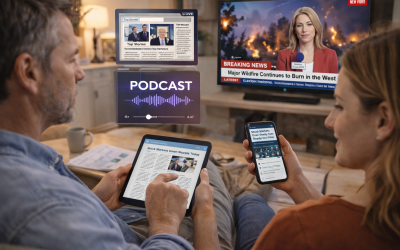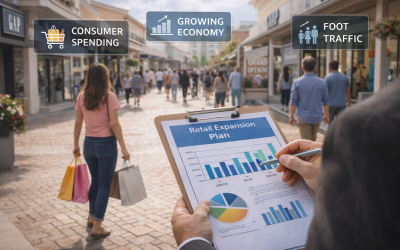
Inflation Trends Influencing Consumer Confidence have become a central theme in economic conversations globally. Inflation—defined as the general rise in prices of goods and services over time—affects everyday decisions from grocery shopping to major purchases and long-term financial planning. When inflation accelerates, prices rise faster than wages for many households, reshaping how consumers perceive their economic well-being and future financial security.

Over the past few years, inflation dynamics have been shaped by supply chain disruptions, shifting labor markets, energy price volatility, and monetary policy responses. These forces have not only impacted cost structures but also altered consumer sentiment and purchasing behavior. As price pressures evolve, understanding how inflation trends influence consumer confidence is crucial for individuals, policymakers, and businesses alike.
In this article, we explore the key drivers of inflation trends, how they shape consumer perceptions, and what the broader implications are for economic activity and planning.
Why Inflation Trends Influencing Consumer Confidence Are Important
Consumer confidence measures how optimistic or pessimistic households feel about the economy and their personal financial situation. This sentiment strongly influences spending, saving, and investment behavior. Elevated inflation tends to erode purchasing power, leading consumers to reassess discretionary spending and prioritize essential expenses.
The Organisation for Economic Co-operation and Development notes that inflation expectations can influence spending patterns even before actual price increases occur (OECD – Consumer Confidence and Inflation: https://www.oecd.org). When consumers expect prices to continue rising, they may accelerate purchases or reduce long-term commitments, further affecting economic activity.
Understanding the connection between inflation trends and consumer confidence helps explain shifts in economic growth, retail sales, and financial market behavior.
Recent Global Inflation Patterns
Inflation dynamics have varied across regions but shared common influences.
Supply chain disruptions triggered by the COVID-19 pandemic initially drove shortages and higher costs for a wide range of goods. As economies reopened, demand surged while production and logistics capacity lagged behind, pushing prices upward.
Energy prices, which are sensitive to geopolitical tensions and commodity market fluctuations, have also contributed to cost shifts. Higher fuel costs increase transportation and manufacturing expenses, which are often passed on to consumers.
Central banks responded with monetary policy adjustments, such as interest rate hikes, to moderate inflation pressures. These policy actions influence borrowing costs, savings returns, and broader economic sentiment.
Collectively, these trends illustrate how inflation patterns are complex and interlinked with multiple sectors of the economy.
How Price Changes Affect Household Perceptions
Inflation impacts consumers in both direct and indirect ways.
Direct Impact
Direct effects are felt through higher prices for everyday items:
- Food and groceries
- Gasoline and transportation costs
- Housing and utilities
- Health care services
When price increases are frequent and visible, consumers experience a tangible reduction in purchasing power. The Federal Reserve’s Survey of Consumer Finances highlights that sustained price pressures can decrease discretionary spending as households adjust budgets to cover essentials (Federal Reserve – Consumer Finance Data: https://www.federalreserve.gov).
Indirect Impact
Indirect influences on confidence come from expectations about future income and job security. If consumers anticipate that wages will not keep pace with inflation, they may reduce spending and increase precautionary savings.
Expectations about inflation persistence—whether price pressures are seen as temporary or long-lasting—significantly shape consumer sentiment.
Consumption Shifts Toward Essentials
Inflation trends influencing consumer confidence often lead households to reprioritize spending. With constrained budgets, many consumers focus on necessities and delay non-urgent purchases.
Retail sectors such as discount retailers and value-oriented goods may see stable or increased demand, while discretionary categories such as luxury goods, travel, and entertainment often experience slower consumption.
This shift reflects behavioral adaptation to sustained price pressures and uncertainty about future purchasing power.
Wage Growth and Cost of Living
Real income—income adjusted for inflation—determines how much consumers can afford beyond essentials. When wage growth fails to keep pace with rising prices, households feel a decline in real purchasing power.
Data from the International Labour Organization shows that wage growth in many economies has lagged behind inflation in recent periods (ILO – Labour Market Reports: https://www.ilo.org). This divergence contributes to consumer anxiety about maintaining living standards.
Perceived erosion of financial stability can suppress confidence even when inflation shows signs of slowing.
Interest Rates and Borrowing Costs
Central banks often raise interest rates to moderate inflation. Higher interest rates increase the cost of borrowing for mortgages, auto loans, and credit cards, which can weigh on household budgets.
Consumer sentiment surveys, such as those published by the University of Michigan, often reference borrowing costs as a key factor in confidence measures (University of Michigan – Consumer Sentiment Index: https://www.sca.isr.umich.edu).
Rising interest rates may reduce willingness to take on debt and influence decisions such as home purchases or business investment.
Price Expectations and Psychological Effects
Psychological responses to inflation trends play a significant role in shaping consumer confidence.
When consumers expect prices to continue rising, this can trigger behaviors such as:
- Stockpiling goods
- Accelerating purchases before anticipated price increases
- Reducing long-term financial commitments
- Prioritizing short-term cash liquidity
These behavioral responses can reinforce inflationary patterns if demand persists despite diminishing purchasing power.
Expectations influence confidence as much as actual price changes.
Differences Across Income Groups
Inflation does not affect all consumers equally.
Lower-income households typically spend a larger share of their budgets on essentials such as food, housing, and transportation. When these categories experience high inflation, these households feel the effects more acutely.
The Organisation for Economic Co-operation and Development highlights that inflation can widen economic inequality if essential goods experience sharper price increases than non-essential goods (OECD – Inflation and Inequality Analysis: https://www.oecd.org).
Consumer confidence levels therefore vary significantly across income groups, influencing overall economic sentiment measures.
Business Response to Consumer Confidence Shifts
Businesses adjust pricing strategies, product offerings, and marketing messages in response to changing consumer confidence.
Examples include:
- Promotions and discount programs
- Focus on value-oriented product lines
- Flexible payment and financing options
- Emphasis on essential goods and services
Companies may also adjust inventory and production planning based on anticipated demand shifts linked to consumer sentiment.
Understanding inflation trends helps firms anticipate changes in buying behavior and align strategies accordingly.
Policy Responses and Consumer Confidence
Government policy responses can influence both inflation trends and consumer confidence.
Fiscal measures, such as tax relief or targeted subsidies, can provide short-term support to households facing price pressures. Central banks’ communication about inflation expectations and monetary policy direction also affects confidence.
Clear policy frameworks that balance inflation control with economic stability contribute to improved economic sentiment.
Practical Guidance for Consumers
For individuals navigating inflationary environments, several strategies can help maintain financial resilience:
Budget Reviews
Track income and expenses regularly to adapt to price changes.
Prioritize Needs
Distinguish essential expenditures from discretionary spending.
Emergency Savings
Maintain accessible funds for unexpected expenses.
Compare Prices
Shop across retailers to identify value options.
Long-Term Planning
Balance short-term adjustments with long-term financial goals.
Proactive planning supports confidence even when economic uncertainty persists.
The Future of Inflation and Consumer Confidence
Inflation trends influencing consumer confidence are likely to remain a topic of economic significance. Ongoing supply chain evolution, labor market shifts, and geopolitical developments may continue affecting price dynamics.
Future trends may include:
- Increased digitization of price data and real-time consumer indicators
- Greater prominence of global inflation coordination among policymakers
- Technological adoption reducing production costs
- Expansion of alternative work arrangements influencing income dynamics
As economic structures evolve, consumer confidence will remain an important indicator of aggregate demand and economic health.
Conclusion
Inflation Trends Influencing Consumer Confidence reflect the deep connections between price dynamics and household economic perceptions. Rising prices for essential goods and services can reduce purchasing power, alter spending priorities, and impact overall confidence. These effects are shaped not only by actual inflation rates but also by expectations about future price movements and economic stability.
Lower-income households often face more acute impacts, while broader labor market conditions and financial policies influence confidence at a macro level. Businesses and policymakers must consider these dynamics when assessing economic performance and crafting responsive strategies.
Understanding the multifaceted relationship between inflation and consumer confidence equips individuals and institutions with insights to navigate economic fluctuations more effectively. In an environment of evolving price pressures, informed financial planning and adaptive strategies enhance resilience and long-term economic well-being.
References
Organisation for Economic Co-operation and Development – Consumer Confidence and Inflation: https://www.oecd.org
Federal Reserve – Consumer Finance Data: https://www.federalreserve.gov
International Labour Organization – Labour Market Reports: https://www.ilo.org
University of Michigan – Consumer Sentiment Index: https://www.sca.isr.umich.edu
Organisation for Economic Co-operation and Development – Inflation and Inequality Analysis: https://www.oecd.org