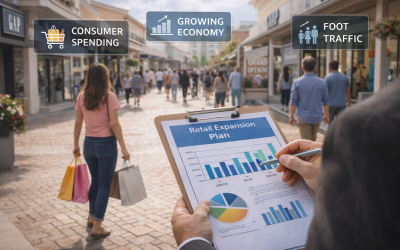
Consumer confidence is a critical economic indicator that reflects the overall sentiment of households regarding the state of the economy and their personal financial situation. As a key driver of consumer spending, which makes up a significant portion of economic activity, consumer confidence has a direct impact on business performance, financial markets, and even government policy decisions. The more confident consumers feel about their financial security and the economy’s future, the more likely they are to make purchases, invest, and engage in long-term planning.

Conversely, a decline in consumer confidence can signal economic slowdowns, decreased spending, and potential recessions. Understanding the indicators that affect consumer confidence is essential for businesses, investors, and policymakers who rely on consumer behavior to shape their strategies. In this article, we explore key consumer confidence indicators, what they reveal about economic conditions, and why they are worth monitoring.
What is Consumer Confidence?
Consumer confidence refers to the measure of individuals’ optimism or pessimism about the overall state of the economy and their personal financial well-being. When consumers are confident, they tend to spend more on goods and services, which drives economic growth. However, when confidence declines, people may hold back on spending, save more, or delay major purchases, all of which can negatively affect economic momentum.
Consumer confidence is influenced by various factors, including economic conditions (e.g., inflation, unemployment), political stability, job security, income expectations, and even external factors like global crises or natural disasters. Since consumer spending accounts for a significant portion of GDP in many economies, understanding the drivers of consumer confidence is crucial for forecasting economic trends.
Key Consumer Confidence Indicators to Watch
1. The Consumer Confidence Index (CCI)
The Consumer Confidence Index (CCI) is one of the most widely recognized measures of consumer sentiment. Published monthly by The Conference Board, a U.S.-based research organization, the CCI surveys thousands of households to gauge how consumers perceive current economic conditions and their expectations for the future.
- Current Conditions: The CCI measures consumers’ perceptions of present economic conditions, including their personal financial situation and the job market. A strong sense of financial well-being and job security indicates a high level of confidence.
- Expectations for the Future: The second component of the CCI evaluates consumers’ expectations for the economy over the next six months, including their outlook on employment, income, and business conditions. High expectations for the economy typically lead to increased consumer spending and investment.
Fluctuations in the CCI can provide valuable insights into the broader economic environment. A significant drop in consumer confidence often signals potential economic challenges, while an increase in confidence can indicate a period of economic expansion.
2. The University of Michigan Consumer Sentiment Index
The University of Michigan Consumer Sentiment Index (CSI) is another well-established indicator of consumer confidence. Like the CCI, the CSI measures consumer attitudes toward the current economic climate and expectations for the future, but it places a greater emphasis on individual perceptions of personal financial situations.
- Personal Finances: The CSI looks at how consumers feel about their current financial health, including income levels, debt, and spending capacity. A higher sense of financial well-being often correlates with increased spending and economic optimism.
- Inflation Expectations: The CSI also tracks consumers’ expectations regarding inflation and interest rates. If consumers anticipate higher inflation or rising interest rates, they may become more cautious with their spending and saving.
The CSI is particularly useful in understanding shifts in consumer behavior, as it is closely linked to personal financial situations, which tend to drive spending patterns.
3. Retail Sales Data
Retail sales data is a direct reflection of consumer spending, which is influenced by consumer confidence. When consumer confidence is high, retail sales typically rise as consumers are more willing to make discretionary purchases, such as clothing, electronics, and home goods. Conversely, when confidence wanes, consumers are more likely to cut back on spending.
- Monthly Retail Sales Reports: Government agencies such as the U.S. Census Bureau provide monthly retail sales reports that track total retail sales across various categories. A steady increase in retail sales is a positive sign of consumer confidence, while a decline may suggest a contraction in consumer spending.
- E-Commerce Growth: E-commerce sales also serve as an important gauge of consumer sentiment. With the rise of online shopping, changes in e-commerce sales trends can offer insights into how consumers are spending, especially during periods of uncertainty.
Retail sales data is essential for understanding consumer behavior on a granular level and can offer early signs of economic trends.
4. Job Market Indicators
Job market indicators, including employment rates, job openings, and wage growth, have a significant impact on consumer confidence. When the job market is strong and unemployment is low, consumers tend to feel more financially secure, which boosts confidence. Conversely, rising unemployment or stagnant wage growth can create a sense of uncertainty and reduce consumer spending.
- Unemployment Rate: A key indicator of consumer confidence, the unemployment rate measures the percentage of people actively looking for work but unable to find employment. A low unemployment rate signals a healthy job market, which tends to increase consumer confidence.
- Job Openings and Labor Turnover: Data on job openings and labor turnover provides insight into the demand for labor and job security. High levels of job openings indicate a thriving job market, which can boost confidence in future employment prospects.
- Wage Growth: Increases in wages typically correlate with higher consumer spending, as consumers feel more financially secure. Conversely, stagnation or reductions in wage growth may dampen consumer sentiment.
Job market data provides important context for consumer confidence, as employment status is closely tied to financial well-being and overall economic optimism.
5. Inflation and Cost of Living
Inflation directly affects the purchasing power of consumers and can have a significant impact on confidence. When prices for goods and services rise sharply, consumers may feel that their money doesn’t go as far, leading to a decline in confidence and spending. Conversely, low inflation rates can indicate economic stability and support consumer optimism.
- Consumer Price Index (CPI): The Consumer Price Index measures the average change in prices paid by consumers for goods and services. A rising CPI typically signals inflation, which can erode purchasing power and dampen consumer confidence.
- Cost of Living: The cost of living, including housing, transportation, and food, is a major factor in consumer confidence. If the cost of living rises faster than wages, consumers may feel financially strained, which can lead to a decrease in spending.
Tracking inflation and cost-of-living data helps gauge how rising or falling prices impact consumers’ overall sense of economic stability and confidence.
6. Housing Market Data
The housing market is another significant indicator of consumer confidence. Housing is often the largest investment a person makes, and shifts in housing prices, mortgage rates, and homeownership trends can significantly affect consumer sentiment.
- Housing Starts and Sales: Housing starts (new home constructions) and sales data provide insights into consumer confidence in the real estate market. A robust housing market typically signals consumer optimism, while a decline in home sales or a drop in housing starts may indicate cautiousness.
- Home Price Trends: Rising home prices often reflect consumer confidence, as people are willing to invest in real estate. Conversely, falling home prices can signal a slowdown in consumer confidence, particularly if associated with economic uncertainty or higher interest rates.
Changes in the housing market often have a ripple effect on the broader economy, influencing spending on home goods, renovations, and other consumer services.
Conclusion
Consumer confidence is a vital indicator that helps gauge the health of the economy and provides valuable insights into future economic trends. By monitoring key consumer confidence indicators, such as the Consumer Confidence Index (CCI), retail sales data, job market indicators, and inflation rates, businesses, investors, and policymakers can better understand consumer sentiment and make informed decisions. As consumer confidence drives spending and investment, it is essential to track these indicators to anticipate shifts in the economy and adjust strategies accordingly. By staying informed about consumer confidence trends, stakeholders can navigate economic changes and ensure long-term success.
References
- “Consumer Confidence Index (CCI)” – The Conference Board: https://www.conference-board.org
- “University of Michigan Consumer Sentiment Index” – University of Michigan: https://www.sca.isr.umich.edu
- “Consumer Spending and Retail Sales Trends” – U.S. Census Bureau: https://www.census.gov
- “Inflation and Consumer Confidence” – Federal Reserve Bank of St. Louis: https://www.stlouisfed.org