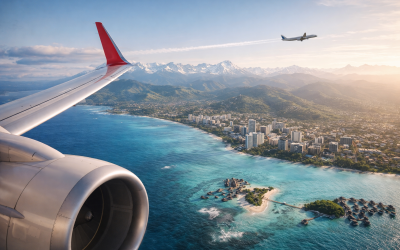
Travel has always reflected the way people live, but in recent years that connection has become far more visible. Changes in work patterns, wellness priorities, technology use, and personal values are reshaping not only where people go, but how and why they travel. Instead of traditional vacation models centered on sightseeing and packed itineraries, many travelers now seek experiences that align with daily habits, emotional needs, and long-term lifestyle goals. Understanding lifestyle shifts influencing how people travel helps explain why tourism continues to evolve in new and unexpected directions.
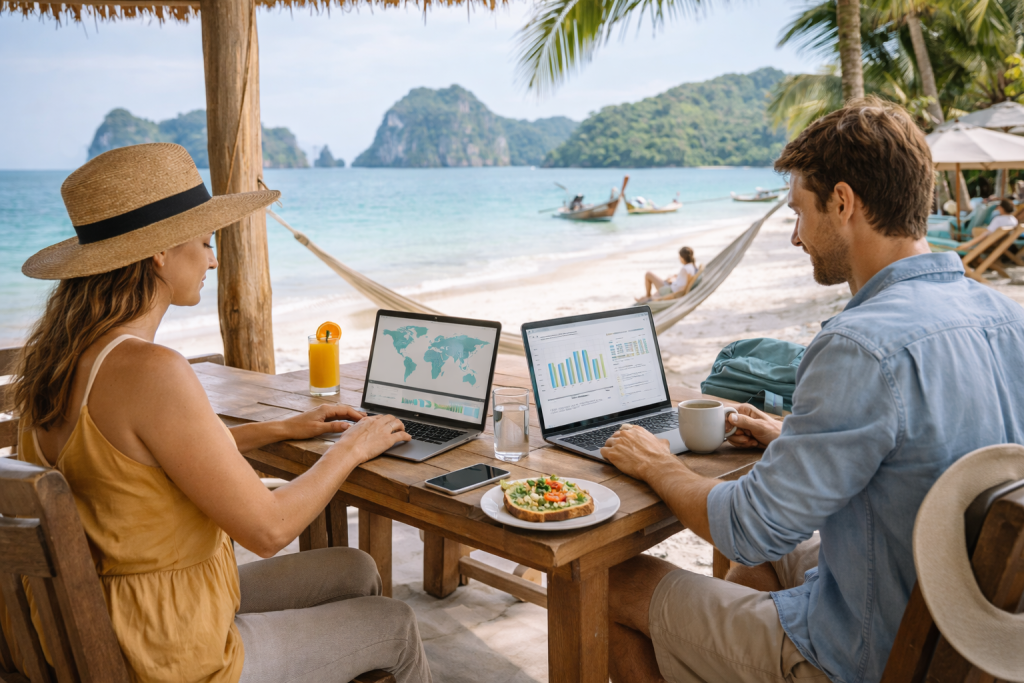
Modern travel decisions are increasingly shaped by how people manage time, energy, relationships, and well-being. Travel is no longer a temporary escape from life; for many, it has become an extension of life itself. From flexible schedules and remote work to wellness-focused routines and sustainability concerns, these lifestyle shifts are redefining travel behavior across age groups and income levels. Below, we explore the most significant lifestyle changes shaping contemporary travel and how they influence destinations, accommodations, and experiences.
The Rise of Flexible Work and Location Independence
One of the most influential lifestyle shifts influencing how people travel is the widespread adoption of flexible work arrangements. Remote and hybrid work models have reduced the need to travel within fixed vacation windows, allowing people to travel outside peak seasons and for longer periods.
This shift has led to:
- Extended stays instead of short vacations
- Increased demand for work-friendly accommodations
- Travel during weekdays rather than weekends
- Reduced emphasis on traditional holiday travel
Travelers now prioritize reliable internet, comfortable workspaces, and balanced daily routines over proximity to tourist attractions.
Blending Work and Leisure Travel
The boundaries between work and leisure have blurred. Many travelers combine professional responsibilities with personal exploration, creating new travel patterns that emphasize balance rather than separation.
This blended approach often includes:
- Working mornings and exploring afternoons
- Choosing destinations with calm environments
- Traveling slower to maintain productivity
- Prioritizing comfort over novelty
This shift supports a more sustainable relationship with travel that fits ongoing responsibilities.
Increased Focus on Mental and Physical Well-Being
Wellness has become a central consideration in daily life, and travel reflects that priority. Travelers are increasingly choosing destinations and experiences that support rest, recovery, and emotional balance.
Wellness-driven travel preferences include:
- Quiet destinations over crowded cities
- Access to nature and green spaces
- Slower-paced itineraries
- Wellness-focused accommodations
This trend demonstrates how lifestyle shifts influencing how people travel prioritize health and balance rather than constant stimulation.
Preference for Shorter, More Frequent Trips
Instead of saving for one long annual vacation, many people now prefer multiple shorter trips throughout the year. This pattern aligns with modern work schedules and energy management.
Benefits of shorter trips include:
- Reduced planning stress
- Easier integration into busy lives
- More frequent mental resets
- Lower physical fatigue
Short trips allow travel to feel restorative rather than disruptive.
Emphasis on Experience Over Consumption
Modern lifestyles place less value on material accumulation and more on meaningful experiences. This mindset strongly influences travel choices.
Experience-driven travel focuses on:
- Cultural immersion
- Learning opportunities
- Local interactions
- Personal growth experiences
Travel becomes a way to enrich life rather than collect destinations.
Sustainability and Conscious Travel Choices
Environmental awareness has influenced many lifestyle decisions, including travel. More travelers consider the impact of their choices and seek options that align with sustainable values.
Sustainability-focused travel habits include:
- Choosing local accommodations
- Reducing flight frequency
- Supporting local businesses
- Opting for longer stays to reduce transit
This shift influences destination development and traveler behavior alike.
Redefined Luxury Through Comfort and Ease
Luxury travel is no longer defined solely by extravagance. Instead, comfort, privacy, and simplicity have become new markers of value.
Modern luxury preferences include:
- Spacious accommodations
- Calm environments
- Personalized experiences
- Fewer crowds
This reflects broader lifestyle changes that prioritize well-being and ease.
Digital Influence and Information Access
Technology shapes how people plan and experience travel. Instant access to information enables more personalized, flexible travel decisions.
Digital-driven travel habits include:
- Last-minute bookings
- Independent itinerary planning
- Peer recommendations
- Real-time navigation and translation
While technology simplifies logistics, travelers increasingly seek balance by limiting digital overload during trips.
Travel as a Tool for Lifestyle Design
For many, travel is now part of a broader lifestyle design rather than a temporary break. People use travel to test new ways of living, working, and relating to their environment.
Examples include:
- Spending extended time in new regions
- Exploring potential relocation destinations
- Adopting local routines temporarily
This reflects how lifestyle shifts influencing how people travel integrate travel into long-term life planning.
Growing Popularity of Nature-Based Destinations
As urban living intensifies, many people seek balance through nature. This lifestyle shift has increased demand for destinations offering outdoor access and quiet environments.
Nature-driven travel includes:
- Mountain retreats
- Coastal towns
- Countryside stays
- National parks
These environments support mental reset and physical movement.
Changing Family Structures and Travel Needs
Family travel has evolved alongside changing household dynamics. Flexible schedules, multi-generational travel, and varied parenting styles influence travel decisions.
Modern family travel often prioritizes:
- Spacious accommodations
- Slower itineraries
- Educational experiences
- Comfort and safety
These preferences shape accommodation offerings and destination activities.
Increased Value of Time Efficiency
Time is one of the most valued resources in modern life. Travel decisions increasingly reflect a desire to minimize wasted time.
Time-efficient travel habits include:
- Direct routes
- Nearby destinations
- Walkable locations
- Simplified itineraries
Efficiency enhances enjoyment and reduces fatigue.
Personalization and Self-Guided Travel
Modern travelers prefer control over their experiences. Personalized, self-guided travel aligns with independent lifestyles and flexible schedules.
Personalized travel includes:
- Custom itineraries
- Niche experiences
- Independent exploration
- Flexible pacing
This shift reduces reliance on traditional tour structures.
Reducing Overstimulation While Traveling
Many people actively avoid overstimulating travel environments. Busy itineraries and crowded destinations can feel draining rather than exciting.
Travelers now favor:
- Fewer activities per day
- Quiet accommodations
- Time for reflection
- Unstructured exploration
This mirrors broader lifestyle efforts to manage stress.
Social Connection Over Social Display
Travel has moved away from performative sharing toward meaningful connection. While social media remains influential, many travelers now value presence over documentation.
Modern priorities include:
- Deeper conversations
- Shared experiences
- Reduced pressure to document
- Mindful participation
This reflects changing relationships with technology and self-expression.
Adaptation Across Life Stages
Travel preferences shift as people move through different life stages. Career focus, family responsibilities, and health considerations all influence travel behavior.
Adaptive travel patterns include:
- Slower travel during demanding periods
- Comfort-focused choices
- Flexible itineraries
This adaptability highlights how travel mirrors life rather than escaping it.
Conclusion
Travel is evolving alongside the way people live. Through lifestyle shifts influencing how people travel, it becomes clear that modern travel prioritizes balance, flexibility, and alignment with daily values. From flexible work and wellness focus to sustainability and personalization, these shifts reshape destinations, experiences, and traveler expectations. As lifestyles continue to evolve, travel will remain a reflection of how people manage time, energy, and meaning in their lives-making it more integrated, intentional, and personal than ever before.
References
- World Tourism Organization – Travel Behavior Trends
https://www.unwto.org - McKinsey & Company – Changing Travel Consumer Preferences
https://www.mckinsey.com - National Geographic Travel – How Modern Lifestyles Shape Travel
https://www.nationalgeographic.com - Forbes Travel Guide – Emerging Travel Behavior Patterns
https://www.forbes.com