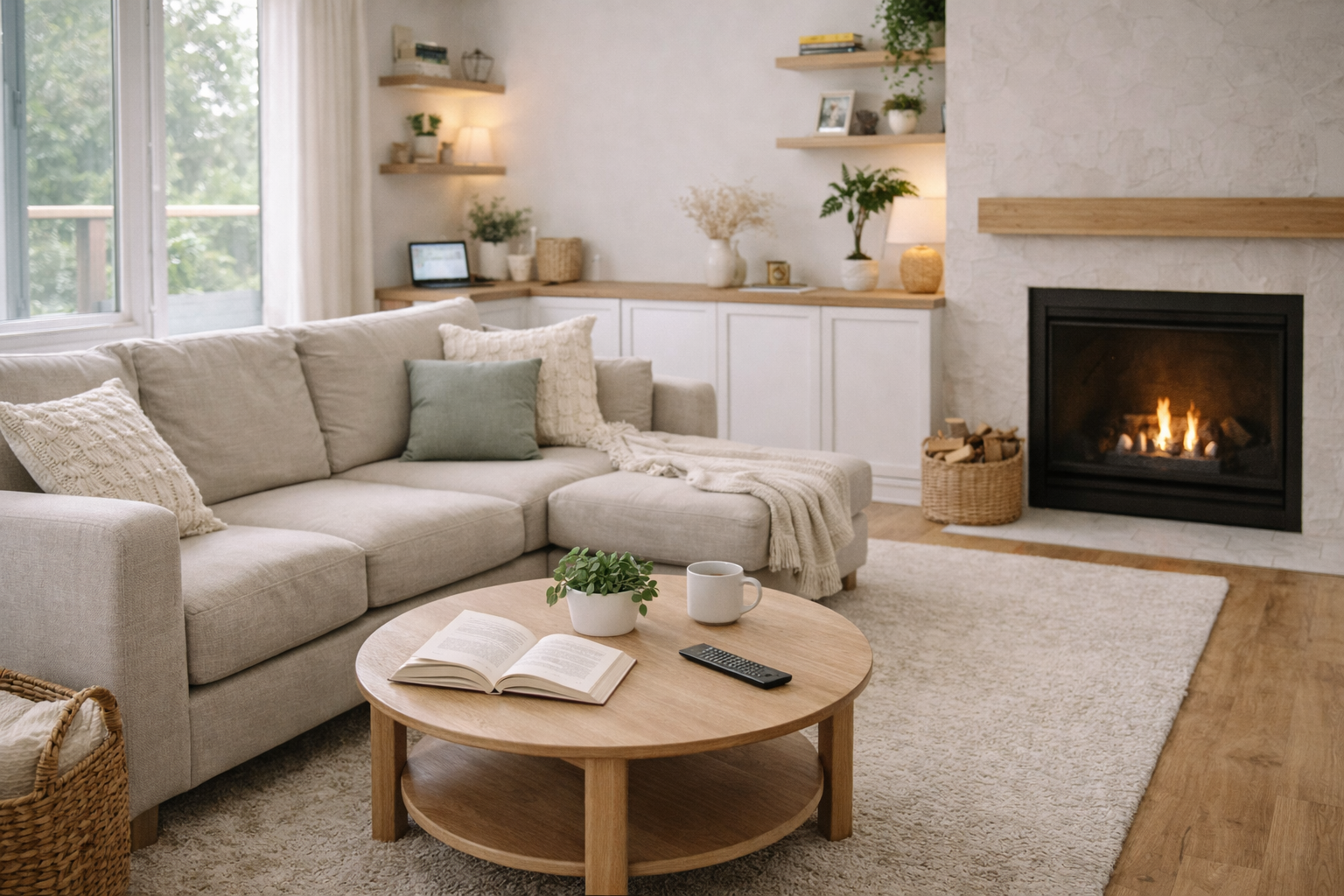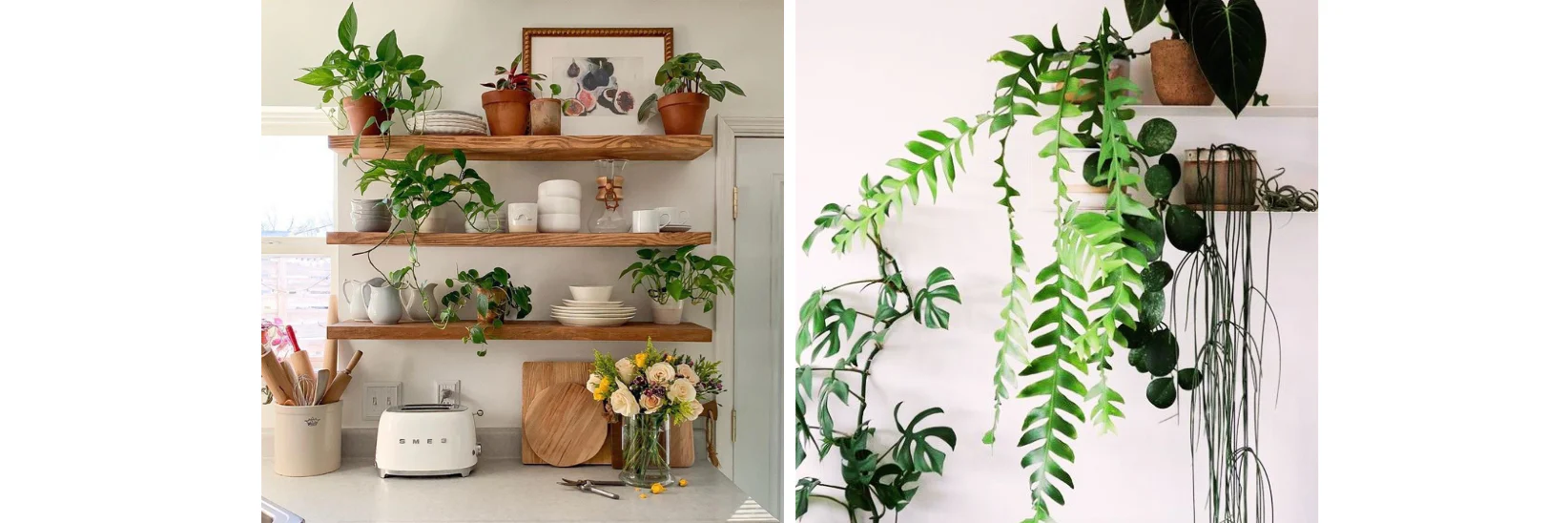
The bedroom is one of the most important spaces in the home. It’s where the mind resets, the body recovers, and daily stress begins to fade. As people spend more time at home and prioritize wellness-driven living, interior trends have shifted toward designs that support deep rest, comfort, and relaxation. Understanding bedroom design trends focused on rest is essential for anyone hoping to transform their sleeping environment into a calming sanctuary. These trends highlight how lighting, color, texture, layout, and sensory elements combine to create a restorative atmosphere that improves sleep quality and enhances overall well-being.
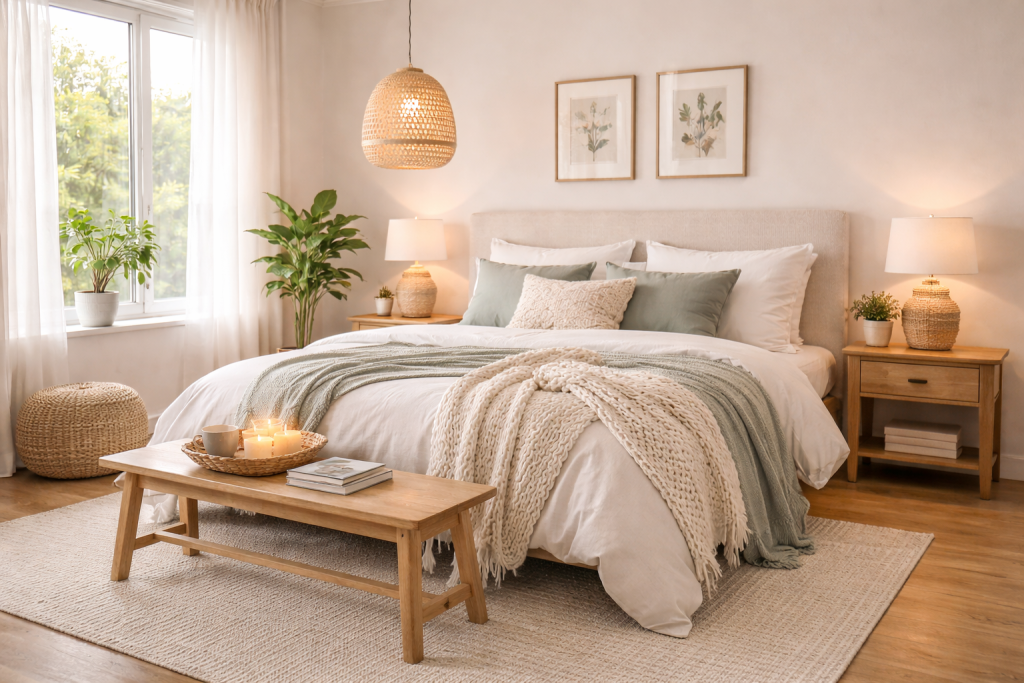
Unlike other rooms, the bedroom benefits most from simplicity, warmth, and emotional balance. Even small changes-such as rearranging the bed, swapping harsh lighting for softer alternatives, or using breathable fabrics-can elevate the entire space. As wellness continues to influence home design, more homeowners are seeking ways to create bedrooms that reduce stimulation, improve air quality, and support a consistent sleep routine. Below, we explore the top trends shaping restful bedroom environments today.
Why Rest-Focused Bedroom Design Matters
Restful bedroom design does more than improve aesthetics-it influences physical health, mental clarity, and emotional stability. A carefully designed bedroom supports:
- Better sleep quality
- Stress reduction
- Improved mood
- Healthier morning routines
- Increased comfort
- Enhanced sense of calm
The environment plays a significant role in how easily the body transitions into rest mode. With the rise of remote work and technology-driven lifestyles, bedrooms have become essential spaces for disconnecting, unwinding, and resetting. That’s why bedroom design trends focused on rest continue to gain attention among homeowners, designers, and wellness professionals.
Soft, Earthy Color Palettes
Color influences emotional state, making it one of the most impactful design elements in a bedroom. Rest-focused design favors soft, earthy tones that create a sense of grounding and serenity.
Popular restful colors include:
- Warm beige
- Muted greens
- Soft clay shades
- Dusty blues
- Light taupe
- Gentle sage
- Warm grays
These palettes reduce visual stimulation and support an environment built for unwinding. Warm neutrals contribute to a cozy, cocoon-like atmosphere, while subtle greens and blues mimic natural landscapes that promote calmness.
Minimalist Layouts That Reduce Visual Noise
Clutter disrupts rest. Modern bedroom design emphasizes minimalism-not to achieve stark simplicity but to reduce stress from excess visual elements. A minimalist layout helps shift the mind into relaxation mode by removing unnecessary distractions.
Minimalist approaches include:
- Streamlined furniture
- Clear surfaces
- Intentional decor
- Hidden storage solutions
- Symmetry to increase balance
This trend supports the idea that a restful bedroom should feel open, breathable, and free of overwhelming visuals.
Natural Materials and Organic Textures
Organic textures bring warmth and comfort into the bedroom. Natural materials feel soothing and connect the space to the calming qualities of nature.
Popular materials include:
- Solid wood
- Linen and cotton
- Rattan and wicker
- Wool throws
- Jute or sisal rugs
These textures create an inviting environment and support the broader movement toward eco-conscious, wellness-centered home design.
Soft, Layered Lighting
Lighting is one of the most important elements for restful bedrooms. Harsh, overhead lights disrupt the brain’s ability to relax. Instead, bedrooms benefit from warm, layered lighting that supports nighttime routines and early evening wind-downs.
Rest-oriented lighting strategies include:
- Soft bedside lamps
- Wall sconces
- Warm-toned LED bulbs
- Dimmer controls
- Indirect or bounce lighting
Layered lighting allows individuals to adjust brightness for reading, relaxing, or preparing for sleep, promoting a calmer environment.
Better Air Quality and Natural Ventilation
A trend gaining momentum in restful design is the integration of air-quality improvements. Fresh air supports sleep and contributes to a healthier environment.
Air-quality designs include:
- Houseplants known for filtration
- Improved ventilation systems
- Natural linen bedding to reduce allergens
- Opening windows to increase airflow
Clean air supports relaxation and reduces irritation that can disrupt sleep.
High-Quality, Breathable Bedding
Bedding plays a major role in sleep comfort. Many homeowners now prioritize breathable, natural fabrics to regulate temperature and reduce nighttime discomfort.
Popular bedding choices include:
- Organic cotton
- Linen
- Bamboo fibers
- Lightweight wool blankets
These materials enhance airflow and contribute to better sleep quality. Investing in high-quality bedding is one of the most impactful bedroom design trends focused on rest.
Calm and Functional Bed Placement
The position of the bed impacts how the room feels. Many rest-focused layouts borrow principles from Feng Shui, emphasizing balance, visibility of the door, and protection from direct pathways.
People often prefer placing the bed:
- Against a solid wall
- Away from windows with strong light
- With a view of the bedroom entrance
- In a location with minimal foot traffic
A well-positioned bed makes the room feel more secure and restful.
Noise Reduction and Sound Control
Designers are increasingly addressing acoustics to support healthy sleep. Noise pollution-even subtle sounds-can interrupt rest and affect overall sleep quality.
Bedroom noise reduction strategies include:
- Soft rugs
- Thick curtains
- Upholstered furniture
- Acoustic panels
- Sound-absorbing headboards
These additions help create a quieter environment that supports consistent rest.
Technology-Free or Technology-Limited Spaces
For many, technology disrupts rest. The blue light from screens interferes with circadian rhythms, and the mental stimulation of devices prevents relaxation. A growing trend involves limiting or removing technology from bedrooms.
Some households adopt:
- No-phone zones
- Device charging stations outside the bedroom
- Analog alarm clocks
- Designated TV-free spaces
Reducing technology in the bedroom helps the mind shift into relaxation mode more easily.
Scent and Sensory Design
Scent plays a large role in emotional regulation. Integrating gentle, natural scents into bedroom design can enhance relaxation.
Calming scents include:
- Lavender
- Bergamot
- Chamomile
- Sandalwood
- Eucalyptus
Many people use essential oils, reed diffusers, or natural candles to add soothing aromas that support the body’s transition into rest.
Warm, Natural Light During the Day
Daytime light exposure in the bedroom helps regulate circadian rhythms. Exposure to morning sunlight signals the brain to wake up naturally, improving sleep cycles.
Designers emphasize:
- Light-filtering curtains
- Reflective surfaces
- Strategic window placement
- Light-enhancing paint colors
Maximizing daylight supports both waking routines and nighttime rest.
Personalization for Emotional Comfort
While minimalism is important for rest, personalization also plays a role. The key is finding balance-curated decor that supports emotional well-being without clutter.
Rest-focused personalization may include:
- A meaningful artwork piece
- Family photographs
- Favorite textures or fabrics
- A calming color palette tailored to preference
The goal is to create a space that supports clarity, comfort, and emotional connection.
Better Storage Solutions for a More Peaceful Environment
Clutter disrupts relaxation, making storage a vital feature in bedroom design. Modern bedroom trends focus on hidden or multifunctional storage solutions that maintain cleanliness.
Examples include:
- Built-in wardrobes
- Under-bed drawers
- Minimalist nightstands
- Decorative baskets
- Foot-of-bed benches with storage
These solutions help maintain a calm atmosphere by reducing visual distractions.
Integrating Natural Elements Through Biophilic Design
Biophilic design connects indoor spaces with nature. This trend is increasingly popular in bedrooms because it supports relaxation and mental well-being.
Biophilic elements include:
- Houseplants
- Nature-inspired decor
- Stone finishes
- Wooden furniture
- Earth-tone palettes
These elements make the bedroom feel grounded and serene.
Creating a Restful Evening Routine Space
A rest-focused bedroom supports more than sleep-it also enhances evening routines that help the mind slow down.
This may include creating spaces for:
- Reading
- Gentle stretching
- Journaling
- Meditation
- Skincare rituals
These zones support consistent relaxation habits and make the bedroom more functional.
Temperature Regulation for Comfortable Sleep
Temperature plays a major role in sleep quality. A cool room helps the body transition into rest. As a result, modern design trends emphasize airflow and cooling elements.
Temperature-regulating features include:
- Breathable bedding
- Fans
- Light curtains
- Natural fibers
- Insulated windows
These help maintain an ideal sleep temperature throughout the night.
Conclusion
Restful bedroom design is essential for emotional balance, physical recovery, and daily mental clarity. Through bedroom design trends focused on rest, homeowners can transform their sleep environments with intentional lighting, calming colors, natural materials, breathable bedding, and noise-reducing design elements. These trends encourage a peaceful atmosphere that supports wellness and comfort. Whether making small adjustments or planning a full redesign, prioritizing rest-focused design helps create a personal retreat that nurtures both body and mind.
References
- Architectural Digest – Bedroom Design Inspirations
https://www.architecturaldigest.com - Sleep Foundation – Sleep Environment Recommendations
https://www.sleepfoundation.org - House Beautiful – Bedroom Wellness Trends
https://www.housebeautiful.com - Better Homes & Gardens – Natural Home Design Ideas
https://www.bhg.com