The modern workplace is changing quickly, and design plays a major role in shaping how people feel at work. As companies shift toward hybrid schedules, flexible routines, and employee-first cultures, interest in office decor trends improving employee morale is gaining significant momentum. In 2025, organizations are investing in design choices that make employees feel supported, energized, and connected.
Rather than focusing on purely aesthetic updates, businesses are adopting decor strategies that create environments aligned with wellness, comfort, and productivity. Because morale influences engagement and performance, decor has become a practical tool for improving overall workplace satisfaction.
Why Office Decor Matters for Employee Morale
Workplace design affects how employees think, collaborate, and manage daily responsibilities. Several factors explain the rising focus on morale-boosting design:
- Remote and hybrid schedules have made in-office days more intentional.
- Workers value comfort and well-being more than ever.
- Collaborative spaces need to feel inviting to encourage teamwork.
- Employees want environments that support focus without feeling rigid.
- Wellness-oriented design continues to influence workplace trends.
Since so many elements of workplace culture tie back to employee well-being, companies use design as a direct way to support morale.
Office Decor Trends Improving Employee Morale (2025 Guide)
Below are the leading decor trends helping businesses create more enjoyable and productive work environments.
1. Biophilic Design for Calm and Connection
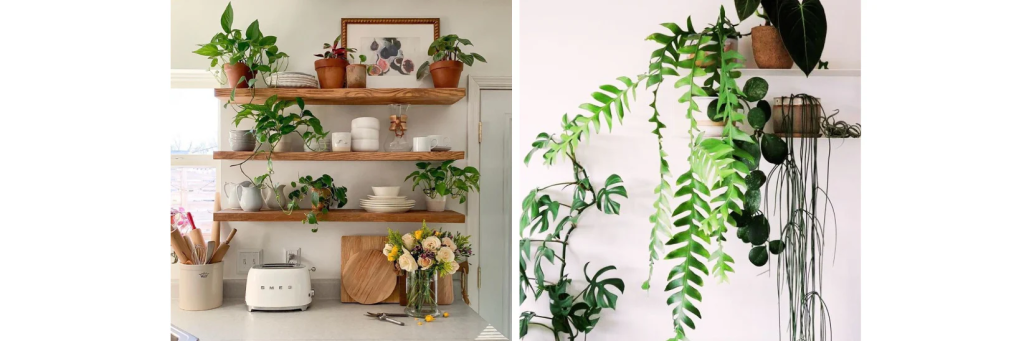
Biophilic design continues to be one of the strongest office decor trends improving employee morale. It incorporates natural elements that support mental clarity and relaxation.
Common features include:
- Indoor plants
- Green walls
- Natural wood textures
- Stone and natural surfaces
- Large windows or daylight-focused layouts
Research shows that exposure to natural elements reduces stress, improves focus, and increases overall well-being. Because of this, biophilic design remains a core element of modern workspaces.
2. Comfort-Driven Furniture That Supports Flexibility
Employees expect furniture that adapts to different work styles. Comfort-driven design focuses on ergonomic options and flexible seating arrangements.
Popular features include:
- Adjustable desks
- Ergonomic chairs
- Soft lounge seating
- Modular setups for collaboration
- Quiet nooks for individual work
Comfortable furniture helps employees avoid physical strain and improves concentration throughout the day.
3. Warm, Neutral Color Palettes for a Relaxed Atmosphere
Color psychology continues to shape office decor. In 2025, many workplaces use warm neutrals to create a soothing environment.
Common colors include:
- Soft beige
- Warm grays
- Muted greens
- Clay tones
- Light browns
These colors reduce visual stress, making the workplace feel inviting without being distracting. This gentle approach helps support employee morale naturally.
4. Zones for Focus, Collaboration, and Rest
A single layout no longer works for diverse work needs. Modern offices now include activity-based zones designed to support different tasks.
Typical zones include:
- Collaboration areas
- Quiet focus rooms
- Relaxation spaces
- Phone or video call booths
- Social gathering areas
Clear zoning helps employees move easily between modes-focus, teamwork, and rest-which supports productivity while reducing burnout.
5. Personalized Desk Areas to Support Identity
Even in shared or hybrid workspaces, small personal touches help employees feel more connected to their environment.
Examples include:
- Desk plants
- Simple artwork
- Neutral accessories
- Small organizational tools
While companies avoid excessive clutter, personalization encourages a sense of belonging.
6. Soft Lighting for a More Comfortable Workday
Harsh fluorescent lighting is being replaced by softer, layered lighting solutions.
Modern lighting trends include:
- Warm LED fixtures
- Adjustable task lamps
- Natural-light-inspired bulbs
- Pendant lighting in common areas
Better lighting reduces eye strain and creates a calmer environment.
7. Acoustic Solutions That Reduce Noise Fatigue
Noise remains one of the leading issues in open offices. Because of this, companies are adopting acoustic improvements to help employees stay focused.
Options include:
- Acoustic panels
- Sound-absorbing partitions
- Upholstered furniture
- Soft rugs
- Quiet zones
With fewer distractions, employees experience better concentration and higher morale.
8. Art and Wall Decor That Supports Inspiration
Artwork has become an important element of office culture. Instead of generic pieces, companies choose decor that reflects values and creativity.
Popular choices:
- Local artist collaborations
- Abstract prints
- Motivational artwork with subtle messaging
- Murals that highlight company identity
Art influences mood, making workplaces feel thoughtful and dynamic.
9. Wellness Corners That Encourage Breaks
Break areas now serve as intentional spaces for rest and recharging.
Examples include:
- Soft seating
- Hydration stations
- Stretching or micro-movement zones
- Warm, calming decor
- Minimalist snack displays
These corners help employees reset during the day, supporting long-term morale.
10. Sustainable Decor Choices That Build Positive Culture
Sustainability shapes many office design decisions. Employees often feel more connected to companies that prioritize responsible practices.
Common sustainable choices:
- Recycled furniture
- Low-impact materials
- Energy-efficient lighting
- Locally sourced decor elements
Sustainability contributes to a workplace culture employees feel proud to support.
Additional Office Decor Trends Improving Employee Morale
Here are more design ideas that positively impact daily work life:
1. Soft textiles – Cushions, rugs, and fabric panels create warmth.
2. Organized storage – Clean spaces reduce visual overwhelm.
3. Coffee and tea stations – Encourage social interaction.
4. Aromatherapy diffusers – Light scents create a calm work atmosphere.
5. Hybrid-ready meeting rooms – Better video tools improve remote collaboration.
Together, these trends support balance, comfort, and efficient workflow.
How Decor Influences Workplace Culture
Design choices show how a company values its people. When employees see improvements in their environment, morale rises naturally.
Positive outcomes include:
- Better engagement
- Higher collaboration
- Reduced stress
- Stronger sense of belonging
- Increased retention
Workplace design becomes an extension of culture, shaping how employees feel each day.
Conclusion
In 2025, office decor trends improving employee morale reflect a shift toward people-focused design. Companies are investing in natural elements, comfortable furniture, warm colors, wellness-driven spaces, and acoustic solutions to create supportive environments. These trends allow teams to feel more relaxed, motivated, and appreciated throughout the workday.
A thoughtful workspace doesn’t just look modern-it helps employees thrive.
Sources
- Forbes – Workplace Design Trends
https://forbes.com - Work Design Magazine – Office Wellness and Decor
https://workdesign.com - Architectural Digest – Modern Office Trends
https://architecturaldigest.com